
Featured Articles
En la espera


por Gary Khan
Cuando tenía poco más de veinte años, Dios me dio una palabra y una visión de cuál era su destino para mí. Fue abrumador y convincente, y he pasado el resto de mi vida esperando que Él cumpla esa visión. Sin embargo, me elude. El tiempo avanza sigilosamente, y me parece estar parado, preguntándome cuándo veré el cumplimiento de esa promesa de Dios.
¿Alguna vez se ha sentido así? Dios le pone una palabra en el corazón, una promesa para el futuro, y luego Él guarda silencio y parece que se ha olvidado de lo que dijo. Para mí, esto ha resultado en tormentas de dudas que arrecian dentro de mí. Esas dudas a veces me llevan a tomar decisiones precipitadas al decidir «ayudar» a Dios adelantándome a Él para cumplir su promesa.
Abraham tuvo una experiencia similar. Dios le dijo que su descendencia sería tan numerosa como la arena del mar, cuando Abraham aún no había engendrado ni un solo hijo. Después de que Dios le diera esa palabra, transcurrieron décadas sin ver el cumplimiento. Abraham tuvo que vivir en la espera, y en ese tiempo de espera hizo algunas cosas que nosotros haríamos bien en evitar. La historia se encuentra en Génesis 15 y 16.
Abraham dudó
En el sentido literal de la palabra, Abraham hizo algunas decisiones importantes como resultado de la conversación de Dios con él, decisiones que parecían carecer de resultados inmediatos.
Por un momento, pongámonos en la misma situación. Dios nos habla sobre un cambio importante en nuestra vida y luego guarda silencio. ¿Cuántos de nosotros le obedeceríamos de inmediato? O, ¿andaríamos de un lado a otro luchando con dudas sobre si realmente hemos oído a Dios? Ahora mismo, ¿cuántos de nosotros no estamos haciendo la mayor parte de lo que Él nos ha pedido que hagamos porque dudamos del resultado?
Ya puedo oírlo. Algunos de ustedes están pensando: Pero Abraham es diferente. A él Dios se le apareció en persona, así que no debería haber dudado. Yo no recibo visitas personales de Dios.
Quizá no recibamos una visita personal como la tuvo Abraham, pero hoy tenemos al Espíritu Santo de Dios. Él vive en nosotros y está con nosotros, guiándonos y conduciéndonos a toda verdad. Por otro lado, imagine por un momento que él recibió una visitación de Dios, pero luego tuvo que caminar día tras día ante la realidad de que lo que Dios le dijo que pasaría no ha sucedido a pesar de que han pasado años de espera y varios intentos de cumplir Su promesa. En esos momentos del «día tras día», las dudas comienzan a visitar, haciendo afirmaciones que ponen en duda las promesas de Dios.
¿Realmente escuché a Dios, o fue la pizza que comí esa noche?
En serio, sé que Dios puede hacer cualquier cosa, pero ¿haría eso por mí? No soy tan especial. Tal vez estoy haciendo algo mal. Recuerde, «Dios ayuda a los que se ayudan a sí mismos», así que, si quiero ver que esto suceda, entonces tengo que hacer que suceda.
Debemos aprender a prever a esas dudas. Si usted es como yo, desea que Dios le reafirme en todo momento hasta el cumplimiento de la promesa, y después quiere que le siga reafirmando que todo va por buen camino. Queremos una seguridad constante, pero Dios quiere que confiemos en Él. La necesidad de una seguridad permanente no fortalece nuestra fe en Él.
Cómo lidiar con la duda mientras espera
La táctica probada del enemigo es poner en duda lo que Dios nos ha dicho. Es un truco tan antiguo como el tiempo. En Génesis le preguntó a Eva:
¿De veras Dios les dijo que no deben comer del fruto de ninguno de los árboles del huerto? (Génesis 3:1, NTV).
Debemos reconocer esta táctica y estar preparados para confrontarla. En el Nuevo Testamento, Santiago dice a los cristianos que podemos vencer a Satanás y su artimaña de la duda:
Así que sométanse a Dios. Resistan al diablo, y él huirá de ustedes. (Santiago 4:7, NVI).
Someterse y resistir. Nos sometemos creyendo en la Palabra de Dios, y resistimos permaneciendo en esa Palabra en fe y declarándola sobre nuestras vidas. Nosotros resistimos cuando vivimos en la realidad de lo que Dios ha hablado en lugar de reaccionar a las dudas que Satanás está susurrando. Podemos vencer la duda, y la manera de hacerlo es recordándonos a nosotros mismos y al enemigo la Palabra de Dios que nos ha dado.
Cuando Abraham y Sara se vieron asediados por las dudas que surgieron a causa del silencio de Dios, habrían hecho bien en recordar lo que Dios les había dicho. Se habrían ahorrado muchos problemas y angustias. Lo mismo vale para nosotros. El enemigo busca robar, matar y destruir la obra de Dios en nosotros, pero Dios ha prometido que Su Palabra no volverá vacía. ¿Cómo podemos recordar las preciosas promesas de Dios?
- Memorice Su Palabra y repítala cuando sea necesario.
- Léela con frecuencia y aférrese a Sus promesas. Él cumplirá lo que nos ha prometido en su Palabra.
Las dudas continuarán apareciendo, una tras otra. La persistencia del enemigo, combinada con la aparente lentitud de Dios y su silencio, nos conduce a una encrucijada en la que muchos de nosotros actuamos en base de nuestras dudas en lugar de apoyarnos en las promesas de Dios. Eso nunca acaba bien.
Si confiamos más en nuestros planes que en los de Dios, nos enfrentaremos con estas situaciones:
- Nunca podremos ver el panorama general como lo hace Dios.
Dios no está limitado por el tiempo ni por el espacio y ve cómo cada cosa pequeña afecta al panorama general; nosotros nunca podremos hacer eso. Cuando optamos por confiar en nuestros planes en lugar de los planes de Dios, corremos enormes riesgos. Puede que seamos capaces de planificar tres pasos por delante de nosotros, pero incluso eso está plagado de problemas porque nunca podemos predecir cómo puede reaccionar una persona ante algo que hacemos, y no sabemos qué ocurrirá en el panorama general de las cosas.
- Nuestras motivaciones se convierten en un problema.
Cuando Dios planifica, está creando una obra maestra que será para el bien de toda la humanidad. Cuando nosotros planeamos, normalmente nos preocupamos por nosotros mismos y por conseguir lo que queremos. Basta con mirar lo que sucedió con Abraham, Sara, Agar e Ismael.
A Sara no le preocupaba el plan grandioso de Dios de traer la salvación al mundo a través de Abraham. Su motivación para tener un hijo era liberarse del estigma de no poder darle un hijo a su marido. Cuando le pareció que Dios tardaba demasiado, ideó un plan para tener ese hijo a través de un vientre subrogado. Agar era su sierva, así que estaba con Sara todo el tiempo. Agar probablemente vio la tristeza de Sara y la escuchó mientras sollozaba y se quejaba de que no podía darle un hijo a su marido. No sé de quién fue la idea, si de Sara o de Agar, pero sea como fuere, puedo afirmar que Sara no pensaba en el bienestar de Agar. Simplemente la veía como un medio para alcanzar su fin.
Uno de los problemas que surge cuando dudamos es que, en lugar de confiar en el tiempo de Dios, nos adelantamos y utilizamos a la gente que nos rodea «en nombre de Dios», dejando tras nosotros una senda de destrucción y quebranto. - Las personas no siempre responden de la manera que esperamos o como prometieron que lo harían.
Agar pudo haberle dicho a Sara que haría esto como su amiga y sierva. Puede que tuviera buenas intenciones. Cuando yo era niño y escuchaba esta historia, simplemente suponía que Agar se había quedado embarazada tras una aventura de una noche. Pero la realidad es que Abraham probablemente se acercó a Agar más de una vez, y cuando Agar empezó a tener relaciones sexuales con Abraham, las cosas cambiaron. Siempre sucede así cuando se empieza a tener relaciones sexuales, porque Dios lo hizo así.
Cuando Agar descubrió que estaba embarazada, las cosas cambiaron aún más. Empezó a creer que ahora significaría más para Abraham y para Sara. Pero la triste realidad es que, ante los ojos de Abraham y Sara, Agar siempre fue la esclava, un simple medio para un fin.
No sólo Agar no respondió como estaba previsto, sino que Sara tampoco reaccionó como ella pensaba. Sara no pudo predecir que se volvería sumamente celosa de Agar. Ella miraba cada noche como Abraham se iba con Agar. Con el tiempo empezó a afectarle, por muy ilustrada que se creyera. Seguía diciéndose a sí misma que era por una causa mayor, pero supongo que algo también cambió en la relación entre ella y Agar. Agar probablemente empezó a actuar menos como una esclava y más como un miembro de la familia con derechos. Probablemente empezó a usar un lenguaje más familiar con Sara, y Sara empezó a sentirse insegura y celosa.
«¿Quién se ha creído que es esta muchacha? ¡Abraham es mi marido! ¡Ella tiene que recordar cuál es su lugar!».
Cuando Agar descubrió que estaba embarazada, es posible que Sara pensara: «Debería estar contenta, pero no lo estoy. Estoy enfadada porque esta mujer me está robando lo que debería ser mío, la odio».
Estos no son los sentimientos que Sara pensó que tendría cuando trazó el plan para realizar el trabajo que le correspondía a Dios, pero ese es el problema. Somos demasiado miopes para ser el Planificador Maestro.
- Nuestras malas decisiones le dan mala fama a Dios.
Después de que Agar diera a luz a su hijo, Sara se puso celosa y empezó a tratarla mal. Me pregunto cómo veía entonces Agar al Dios de Sara. Después de todo, Sara debe haber hablado del Todopoderoso como alguien amoroso y bondadoso, alguien que protege y provee para aquellos que lo siguen. Sin embargo, aquí estaba Sara tratando a Agar con desprecio y antipatía. La gente a menudo determina el carácter de Dios basándose en la forma en que sus seguidores los tratamos.
Uno de mis mejores amigos tenía un cartel en su cocina que decía: «¡Si mamá no es feliz, nadie es feliz!». Esas palabras son ciertas, y Abraham lo comprobó. Sara exigió que Agar e Ismael se marcharan porque no quería a «esa mujer» y a «ese chico» cerca de su precioso Isaac. Le hizo la vida imposible a Abraham. Finalmente, él cedió a regañadientes y despidió a Agar e Ismael. Lo loco es que Dios estuvo de acuerdo con la conclusión de Sara (tal vez no con sus acciones) y le dijo a Abraham que los enviara lejos. Especulemos un poco comprendiendo un poco la naturaleza humana.
Abraham, angustiado por tener que despedir a Ismael, tuvo una conversación con él:
«Hijo, realmente no quiero hacer esto, pero ya conoces a Sara. Me va a hacer la vida imposible. La verdad es que la aguantaría, pero Dios me dijo que te enviara lejos, así que debo hacerlo».
¿Cuál crees que era la impresión que Agar e Ismael tenían de Dios? Creo que creerían que Él no se preocupaba por ellos. Lo verían como mezquino y vengativo, poco amable y manipulador.
Han transcurrido treinta años desde aquella palabra que Dios me dio acerca de mi destino. He cometido muchos de los errores que cometió Abraham, pero he aquí la buena noticia: Las promesas que Dios nos hace son inquebrantables. Él hará lo que dice que hará. Así que mientras esperamos, confíe en que Él cumplirá lo que dijo que haría. Resista la duda que el enemigo provoca y que nos hace querer adelantarnos o rendirnos por completo. Abraham pudo haber dudado y haber dado algunos pasos en falso en el camino, pero afortunadamente corrigió su curso, y Dios fue fiel en cumplir su Palabra.
Sobre el Autor
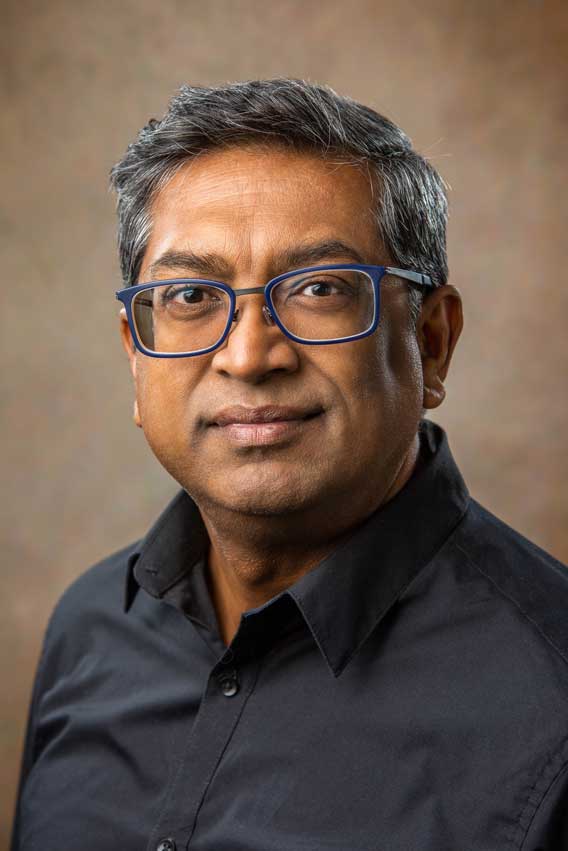
Gary Khan fue pastor durante 32 años de la Iglesia de la Biblia Abierta Desert Streams en Santa Clarita, California. Actualmente es director ejecutivo de operaciones de Marketplace Chaplains en el sur de California. También forma parte de la Junta Directiva Nacional de La Biblia Abierta y es director del distrito Sur de California/Arizona/Hawaii. Gary es autor de los devocionales Greater (Cosas Mayores) y Reset (Reinicio), así como de su libro de próxima publicación, That Didn’t Go the Way I Thought: Navigating the Ups and Downs of Our Journey of Faith (Esto no salió como yo pensaba: Cómo navegar por los altibajos de nuestro camino de fe). El mayor logro y alegría de Gary es ser esposo de DeLaine desde hace 32 años y ser el padre de tres hijos increíbles (dos biológicos y uno «adoptado»).






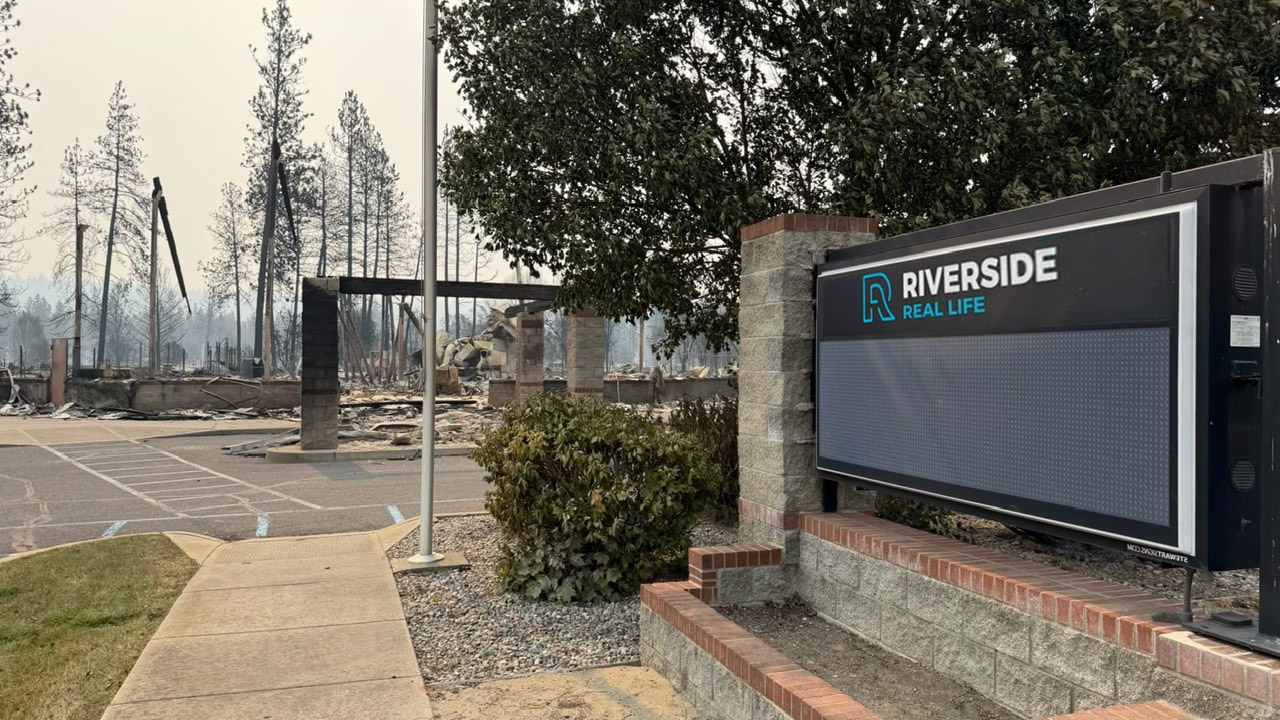
On August 1, 2026, three fast-moving wildfires swept across the Spokane area, fueled by a frightening combination of high winds and dangerously dry conditions. The Old Trails, Autumn Lane, and Fairview fires, collectively managed as the Spokane Complex, damaged or destroyed hundreds of homes and other structures and forced thousands to evacuate.
Seven Open Bible and Open Bible-affiliated churches serve communities throughout the Spokane area, and all were affected in some way by the fires. Three, however, found themselves in the immediate path of the most destructive blaze, the Old Trails Fire. Turning Point Church and Foundation Church were placed under a Level 3 evacuation, displacing members of their church families, while Riverside Real Life Church lost its building entirely. Pastors from Turning Point and Riverside share what they witnessed as fire swept through their communities and how, amid tremendous loss, they saw God provide through the generosity, prayers, and practical care of the Church.
From Melissa Stelly,
Executive Pastor of
Turning Point Open Bible Church:
The pillar of angry smoke on the horizon immediately filled me with dread as I drove to the grocery store. High winds drove the flames across parched land so fast that one firefighter marveled that he couldn’t have outrun it, even if he tried. Hundreds of people desperately fled their neighborhoods, clogging the few roads out as flames appeared in their rearview mirrors. There were heartbreaking stories of people calling family members to say goodbye because they didn’t think they would escape in time
And yet, not a life was taken.
And yet, not a life was taken.
Our church was placed under a level 3 evacuation, and many of our people were displaced from their homes, either losing them completely to the flames or due to toxins that bathed their houses from the burning around them. Immediately, our church family responded with calls and emails, offering their homes to those impacted, along with gift cards, money, clothing, and even animal care. Spokane leaders met at the local high school, inviting faith leaders, non-profits, educators, and government to join together to streamline resources, establish a relief system, and collaborate. Since then, Spokane churches have recognized a deficit in crisis response and are organizing a network of churches to spearhead emergency and crisis response in our city.
I am proud of our church body’s immediate mobilization, which gave generously and put faith into action by meeting needs, opening homes, and volunteering at shelters and outreaches. One woman in our church, who lost her home to the flames, tearfully shared how overwhelmed she was by the support she received. The church family gave her stacks of gift cards, bought her clothes, generously gave to the church to meet her financial needs, and called her constantly to pray with her.
As a pastor, I witnessed this verse in action: “To equip his people for works of service, so that the body of Christ may be built up” (Ephesians 4:12 NIV).
From Kelly Armstrong,
Lead Pastor of
Riverside Real Life Church:
Our church, Riverside Real Life Church, and the entire surrounding neighborhood were destroyed by the Old Trails Fire that hit the Spokane community. Because of our location at the center of the damage, hundreds of people who call Riverside their church were displaced from their homes, at least temporarily. Praise God, most were able to return after one to two weeks; the number of homes lost in our congregation was in single digits. Many homes in the neighborhood my family lives in were destroyed, but thankfully, our home was spared, and we returned home after nine days.
The response of our community and beyond has been amazing. I’ve been contacted by hundreds of pastors and churches from all across the country and most significantly, from all across the Open Bible family. I am convinced that the prayer on our behalf has made a difference as God has opened one door after another. On September 6th, we had our first Sunday service since the fires at a middle school near where the church building was located. We came together, standing room only, to reconnect, worship God, and envision the future.
There are significant complications, but they are not barriers for Him.
Through the generosity of churches all over the country, we’ve been able to give significant financial assistance to families and individuals who’ve lost their homes, restart our small group system, launch a mobile Sunday service that we can be proud of, and continue our mission to “Reach the World for Jesus.”
I’m full of gratitude to every person and church who’ve supported through care, finances, and prayer. When church leaders ask how they can pray, I tell them, “Please pray for God’s favor in the rebuilding process. There are significant complications, but they are not barriers for Him.”
Thank you, Open Bible friends and family. I couldn’t be more grateful for your care and support; it has meant the world to me.
In the midst of tragedy, God’s goodness and glory were evident. As Pastor Melissa Stelly said when sharing her story, “The Lord preserved, the Lord provided, and the Lord used His Church to serve.” But nothing expresses God’s grace over Spokane better than Isaiah 61:3:
to bestow on them a crown of beauty
Isaiah 61:3 (NIV)
instead of ashes,
the oil of joy
instead of mourning,
and a garment of praise
instead of a spirit of despair.
About the Author

Hannah Bemis currently serves as the editor and director of Message of the Open Bible. She always wanted to do too many things when she grew up, and God has been kind enough to let her do most of them in different seasons. Those seasons have included raising little ones at home, teaching, writing, and staff pastoring, with Hannah’s most recent adventure being planting and pastoring College Street Church in Newberg, Oregon, with her husband, Jordan. After Jesus and all her favorite people, she spends the remainder of her passion on pizza and dark chocolate in equal measure.

I am proud to have been a credentialed minister with Open Bible Churches for over four decades. What a privilege to have served in a variety of contexts across our wonderful family of several hundred congregations in the US, along with several thousand globally. Over those decades, God has gradually expanded my understanding of what it means to belong to His Church.
I’ve enjoyed the enriching experience of embracing so many of the distinctives of what makes Open Bible, well, Open Bible: our unwavering commitment to Scripture as the inspired, authoritative Word of God; our resolve to plant and sustain healthy, vibrant local churches; our passion for the fullness and gifts of the Holy Spirit operating in our daily lives; and so much more.
And yet, with the beauty of these ecclesial distinctives so evident in our movement, I believe I have come to realize that what we share together as our core values and practices are not completely unique to us. As a matter of fact, when we take a step back and consider just who is a part of the Body of Christ, we can discover that we have much in common with our brothers and sisters across the US and around the world. It took one unexpected friendship to deepen my understanding of what it means to belong not only to Open Bible Churches, but to the Church.
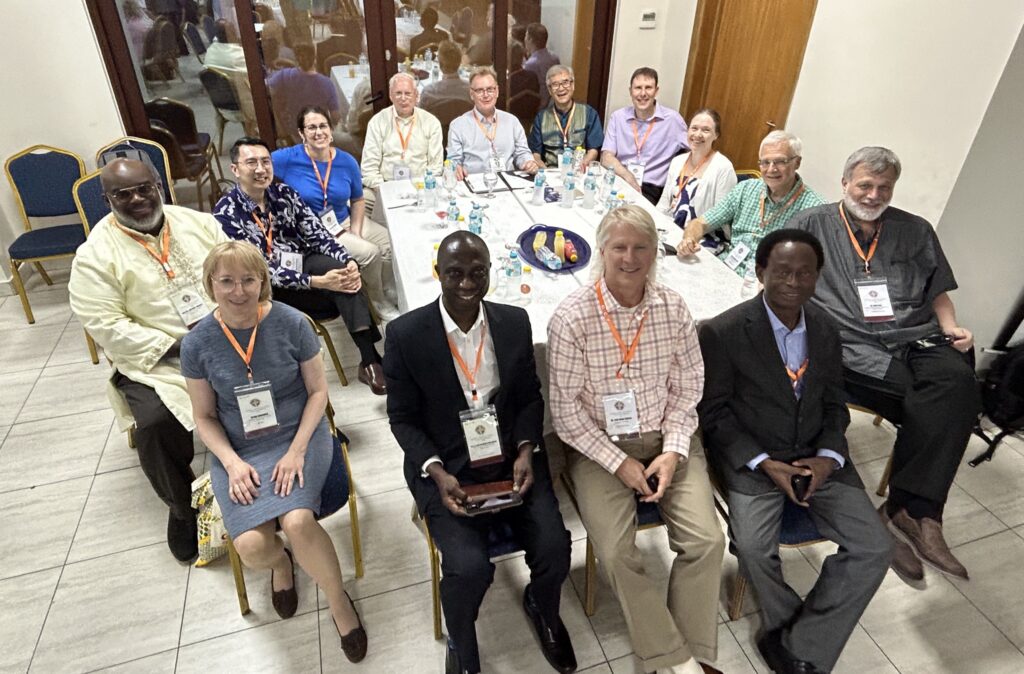
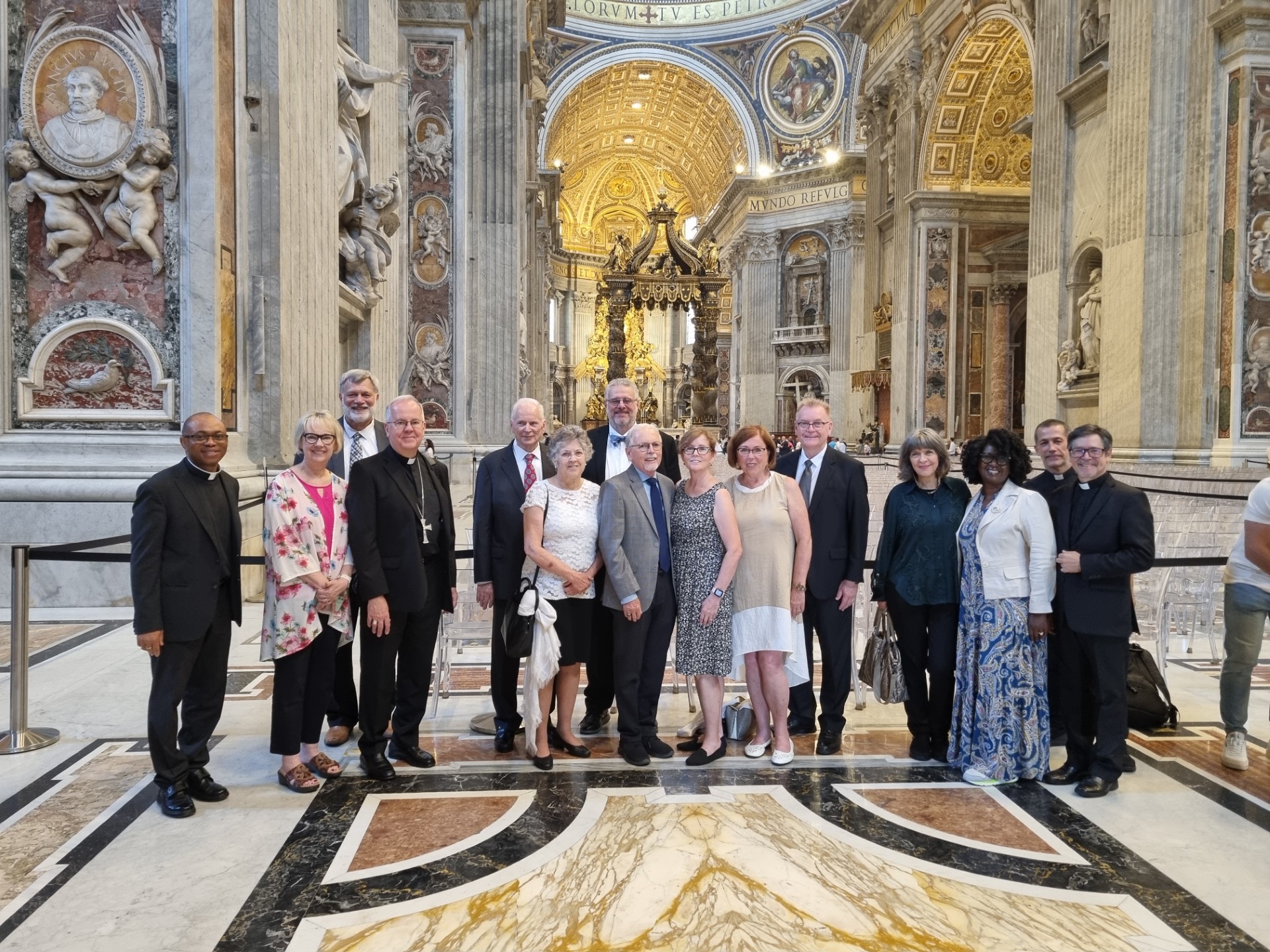
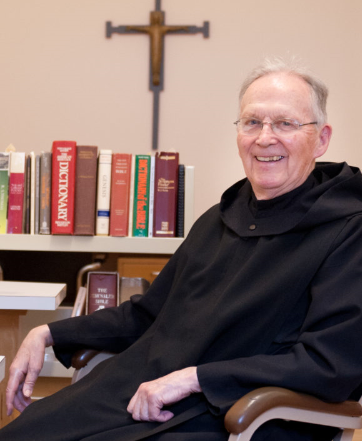
A humbling experience for me has been to receive grace and love from others who are different than me even before I was prepared to offer the same to them. One example for me comes from my years as a participant in the International Catholic-Pentecostal Dialogue. This ongoing annual conversation was begun in the 1970s by David du Plessis, the Pentecostal known as “Mr. Pentecost,” and Father Kilian McDonnell, a Catholic theologian, and continues to this day. When I attended a session of this Dialogue for the first time in 1993, I was so focused on my disagreement with Catholic doctrines and practices that I was not in a place to show much hospitality. But over the next several decades I got to know the Catholic co-chair, Father Kilian, quite well. I was amazed at how well he knew Pentecostals like me, how much he wanted to learn more, and how much he cared for us. He was respectful, honest, and compassionate. We didn’t agree on everything, obviously. But he became a mentor to me, showing me how to treat others who were different than I was. And we became friends. He passed away last year at the age of 100, and I was honored to attend his memorial service. That experience changed how I think about the global Church.
The following numbers paint a remarkable picture of the global family that shares our evangelical, Pentecostal, and charismatic faith. According to the 2026 Status of Global Christianity report, more than 1.1 billion Christians around the world identify as Evangelical, Pentecostal, or Charismatic. Of those, approximately 676 million are Pentecostal or Charismatic believers.
That global family is wonderfully diverse, including classical Pentecostal denominations like Open Bible Churches, independent charismatic networks, Catholic Charismatics, and charismatic believers within many Protestant traditions (Anglican, Methodist, etc.).
So why do these numbers matter? They remind us that we are part of something much larger than ourselves. We are not alone, and we are certainly not “small.” Along with our evangelical, Pentecostal, and charismatic brothers and sisters around the world, we are a fierce contingent in the Lord’s army. It’s both humbling and encouraging to remember that we belong to the CHURCH in all its vastness.
But that doesn’t mean we have to give up our wonderful heritage, culture, and beauty that make us Open Bible Churches. We have something to contribute to the rest of the Church. I’m reminded of the prophetic word delivered a few decades ago at one of our conventions: “Open Bible Churches is a vital organ in the Body of Christ!” That statement has never been more true.
“Open Bible Churches is not ‘the Church.’
Open Bible Churches is part of the Church
— a wonderful part,
but a part.”
And yet, we also do not want to be guilty of isolation or sectarianism. Open Bible Churches is not “the Church.” Open Bible Churches is part of the Church. A wonderful part, but a part. So, it is healthy for us to remember our brothers and sisters in other denominations and networks, to pray for them, and even to cooperate with them in community and regional initiatives so that together we may faithfully steward our callings and responsibilities to advance the Kingdom of God on the earth.
One of the most important ways we can grow in unity as believers is to start by acknowledging and valuing diversity in the Body of Christ. God didn’t make us all the same. Unity is not uniformity. The old adage still rings true: “in essentials, unity; in non-essentials, diversity; and in all things, charity.” May we agree to disagree with one another with clarity, respect, and most of all love. We can embrace grace and truth at the same time, and indeed we are called to it.
No doubt you know some followers of Jesus in your community (and probably in your own family) who do not belong to Open Bible Churches. The invitation for us all is to love them, to be grateful for all that we share with them, and to offer some space (and some grace) for our differences. This is not easy. In fact, it is hard work. Remember the words of the apostle Paul: “As a prisoner for the Lord, then, I urge you to live a life worthy of the calling you have received. Be completely humble and gentle; be patient, bearing with one another in love. Make every effort to keep the unity of the Spirit through the bond of peace” (Eph. 4:1-3 NIV). If maintaining unity was easy, Paul wouldn’t have needed to admonish us to “make every effort” to do so.
Jesus reminds us that unity isn’t just for our benefit: it’s one of the clearest testimonies to a watching world.
But if we are willing to pay the price of seeing God’s big Church, and loving it the way He does, we’ll be more Christlike, and we’ll participate in being an answer to one of the last prayers Jesus prayed before He went to the cross on our behalf: “…that they may be one as we are one— I in them and you in me—so that they may be brought to complete unity. Then the world will know that you sent me and have loved them even as you have loved me” (John 17:22-23 NIV). Jesus reminds us that unity isn’t just for our benefit: it’s one of the clearest testimonies to a watching world.
Together, let’s allow the Lord to give us eyes to see the breadth and beauty of His Church, recognizing and loving our brothers and sisters in Christ in such an obvious way that we actually become answers to the prayer of Jesus in John 17. Amen?
Here are a few resources that explore some of these issues related to Christian Unity:
That They May Be One – Podcast
That They May Be One – Film
PCCNA Christian Unity Commission
Forum for Unity
International Charismatic Consultation
Global Christian Forum
About the Author
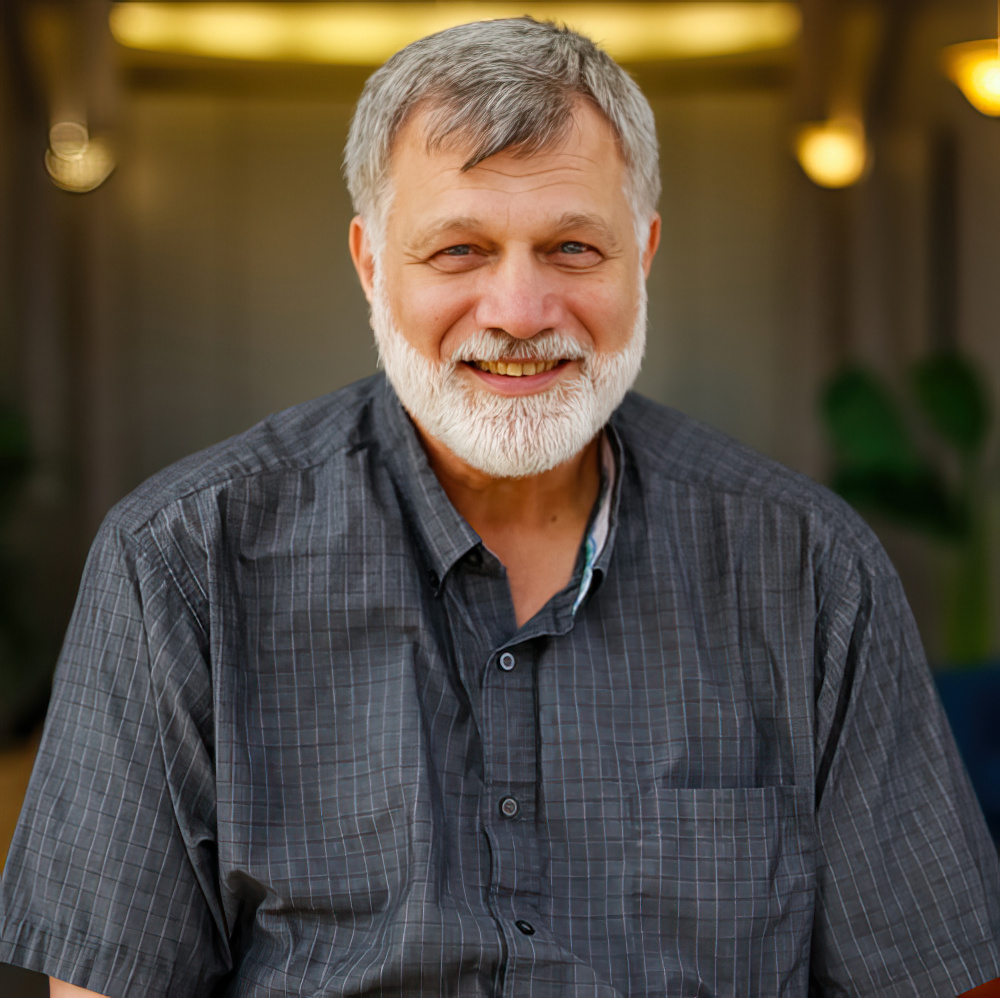
David Cole has been a credentialed minister with Open Bible Churches since 1984. He is currently Professor of Historical Theology at The King’s University in Southlake, Texas. He is also involved in a variety of initiatives related to his calling to encourage the pursuit of unity among believers in Jesus, and to that end currently serves as chair of the Christian Unity Commission with the Pentecostal/
Charismatic Churches of North America. He and his wife, Julie, are parents of four, grandparents of ten, and are currently located in Newberg, Oregon, where they attend College Street Church.


I woke up unable to speak. A breathing tube filled my throat. Machines surrounded my hospital bed. I was confused, intubated, and lying in an ICU room with no memory of how I got there. But strangely, I was not afraid. In the middle of the chaos, God gave me an unexplainable peace.
I motioned desperately for paper and pencil so I could ask two questions: What happened? And where is George?
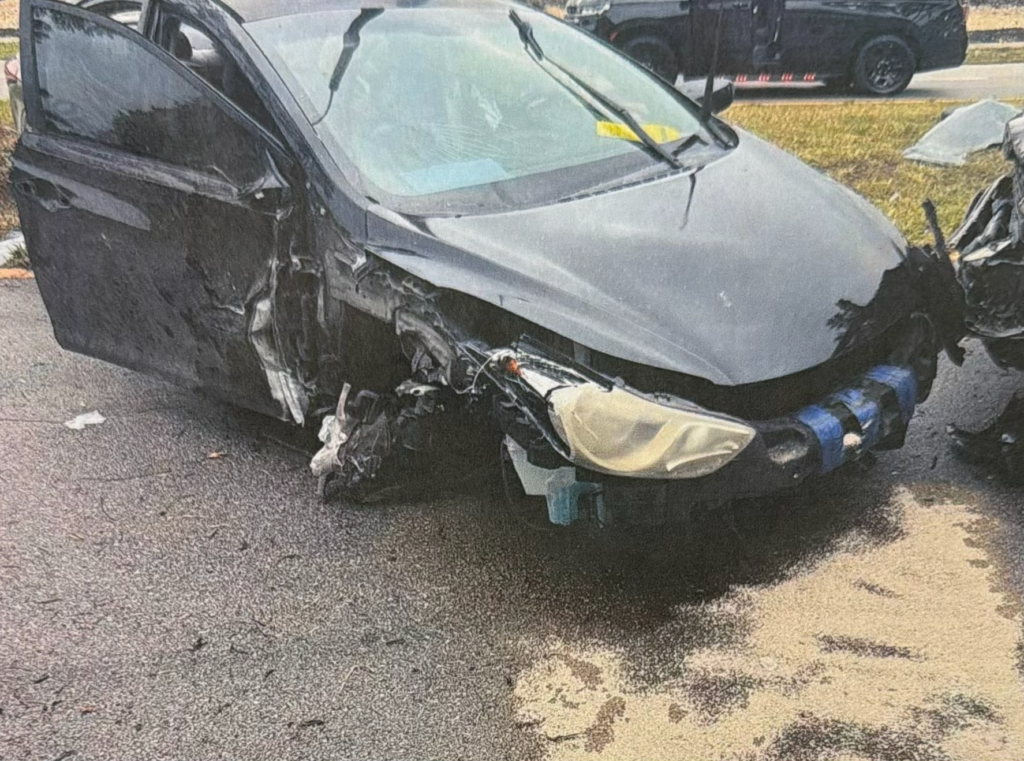
My son’s father explained that I had been in a serious car accident. The car was completely destroyed. I had been found trapped beneath the steering wheel with severe facial injuries.
That morning — January 22, 2026 — had started like any other Thursday. I got ready for work, buckled my 18-month-old son George into his car seat, and pulled out of the driveway expecting an ordinary day.
It became anything but ordinary.
My neighbor, who had left home at the same time I did, later explained what happened. We were both driving around fifteen miles per hour when the car I was driving suddenly lost control. I still do not know why, and I have no memory of the moment itself.
By the grace of God, George was almost completely untouched.
The car hit a cement light pole, crossed into oncoming traffic, and was struck head-on by another vehicle. Both vehicles spun, and the car I was driving slammed into another cement light pole.
By the grace of God, George was almost completely untouched.
The back windshield shattered directly above him, yet the glass never harmed him because of the position his car seat landed in. The entire back left side of the car was crushed inward, but George had been seated on the back right side. Even now, I can only thank God for His protection.
I was taken by ambulance to the hospital and admitted into the Trauma ICU. Doctors told my family that I had suffered severe head trauma resulting in a brain bleed. I was also bleeding internally in my abdominal area, and they began preparing my family for the possible loss of my pregnancy.
… the doctors did not know the God my family and I serve — and how merciful He is.
But the doctors did not know the God my family and I serve — and how merciful He is.
My family immediately began to pray. Members of my church, Open Bible Church of Homestead, began arriving at the hospital, and soon an entire army of people was interceding for me.
During those first two days, I drifted in and out of consciousness and remember very little. But one moment remains clear in my mind: I heard the song “I Surrender” by Hillsong Worship playing in my hospital room. The lyrics, “Like a rushing wind, Jesus breathe within, Lord have Your way, Lord have Your way in me,” stayed with me and brought a deep sense of comfort in the middle of everything happening around me. In that moment, those words became my prayer as I quietly prayed, “I leave this in Your hands.”

After three days in the ICU, I was successfully extubated and began making remarkable progress. Ultrasounds showed a happy, active baby, and the bleeding had stopped.
On the fourth day, I was transferred out of the ICU into intermediate care before eventually moving to the medical-surgical floor. Doctors then began preparing me for maxillofacial surgery to reconstruct my face after multiple fractures.
On January 30, I underwent an eight-hour surgery. By God’s grace, the procedure was successful, and another ultrasound afterward showed my unborn baby remained active and healthy. On February 3, I was finally discharged and able to return home.
Since then, my recovery has gone smoothly. I am now twenty-eight weeks pregnant and waiting expectantly for the arrival of my baby. Through every frightening moment, God gave me strength and peace, and I never doubted His mercy.
Today, I am a living testimony of His grace.
About the Author

Thammy Castro is a behavior technician living in Miami and a soon-to-be mother of two. In her free time, she enjoys traveling with her family. She is a member of Open Bible Church of Homestead, where her parents, Jose and Maria Castro, serve as pastors.