
Featured Articles
What Season Are You In?


By Gary Khan
I grew up in a place that experienced two seasons: the dry season and the rainy season.
Then I moved to California, and I got to experience one season – the dry season. I have heard that many Americans experience four seasons: spring, summer, fall, and winter. Must be nice. Yet, whether we experience two seasons or all four, seasons represent different times in our human existence, and they are integral to our life experience. Solomon, the wise king and philosopher, echoes that sentiment when he says that to everything there is a season, a time for every purpose under heaven (Ecclesiastes 3:1-8). Some time ago as I was going through a somewhat dry season of my own, I heard Rev. Gary Emery, a former Open Bible Pacific Regional Superintendent, speak about seasons. His words led me to explore this idea of seasons further. The following observations are the results of that sermon and my subsequent further exploration.
SEASONS ARE PROVIDENTIAL
Seasons are created and directed by God. The prophet Daniel proclaimed, “Praise be to the name of God for ever and ever; wisdom and power are his. He changes times and seasons; he sets up kings and deposes them. He gives wisdom to the wise and knowledge to the discerning” (Daniel 2:20-21, NIV). Similarly, Luke writes in Acts that God is the source of our life, breath, and everything we need. He is the One who determines where we reside, and it is through Him that we are able to live, to do what we do, and to be who we are (Acts 17:25-28).
God ordains the seasons we are in. He placed us in this world in these times and in this season. We may not be happy with God’s choice of timing, but none of it is by chance or error.
SEASONS ARE PURPOSEFUL
From before our birth to the moment of our death, God is accomplishing His divine purposes. Every event in our lives has a season, an appropriate time – not produced in some random order, but in a manner that’s charged with God’s purpose (even though we may not always understand His purpose). The prophet Isaiah declared that God shaped our life in our mother’s womb (Isaiah 44:24), and the prophet Jeremiah lets us in on God’s declaration to him that “even before He made him in his mother’s womb, He knew Jeremiah and chose him for a special work” (Jeremiah 1:5). Solomon informs us that if we cooperate with God’s purposes and timing life will not be meaningless. Everything, even the most difficult experiences of life, will be “beautiful in its time” (Ecclesiastes 3:11).
“And we know that all that happens to us is working for our good if we love God
and are fitting into his plans” (Romans 8:28, TLB).
Pause for a moment and ponder the four seasons that God has ordained. Even without much deep thought we can easily see some of their purposes. Spring is the time of beginnings, exciting opportunities, and anticipation for the future. Seeds planted during this season will take root and mature during summer’s labor, producing a harvest in the fall, when we get to reap the rewards of our efforts. Everything draws to a close in winter.
Often, we think of childhood and youth as springtime, while summer represents the emerging prime of life. Fall starts somewhere beyond middle age, and everything slows and fades to a finish in elderly wintertime.
Applying the seasons to our growth, our progress, or our advancement, we can recognize that each season is unique and adds important dimensions to life.
- Spring is about potential, promise, planning, and possibilities. It’s a time of opportunities and beginnings.
- Summer is a time of growth and maturation. The seeds we planted during spring mature into full-sized plants. Summer is a season of work, when we invest the time and effort required to become good at what we do.
- Autumn is the season of harvest. We see the production/reward of our labors. Our hard work begins to pay off.
- Winter is the season of winding down, withdrawal, retreat, and closure. Activities, responsibilities, and relationships draw to a close. This is the time of ending. It also represents a period of rest, restoration, and reflection.
God has a purpose for every season we go through.
SEASONS ARE PASSING
Seasons are not permanent, and until God stops the process, the cycle will repeat. The season in which you now find yourself will soon pass. Once winter passes, another spring is at the doorstep.
“Forget the former things; do not dwell on the past. See, I am doing a new thing! Now it springs up; do you not perceive it? I am making a way in the desert and streams in the wasteland” (Isaiah 43:18-19, NIV).
Seasons do not last forever; they are transient. They will pass and another season will be upon us. Understanding that our seasons are passing, providential, and purposeful is valuable; however, of greater value is what we do in those seasons. What should be our response to each?
“The night may be filled with tears, but in the morning we can sing for joy!” (Psalm 30:5, ERV).
Embrace your season.
Often our first response to a challenging season is to complain our way through, which inadvertently prolongs the season or at the very least makes it seem longer that it is. As a result, we waste a cycle and must wait to repeat the season.
The Israelites serve as a prime example of this. It took them forty years to grasp the necessary lessons of trust and obedience to God before they could enter the Promised Land. Instead of seizing the opportunity immediately, they had to endure repetitive seasons over four decades. Remember that seasons are part of God’s providential plan, unfolding in a specific time and sequence with a purpose. No matter the season we find ourselves in, it is vital to fully engage with it and embrace it.
All too often people want to skip a season. We want to jump straight from the idealistic stage of spring to the harvest season of autumn without investing the necessary effort and diligence we must put in during summer. However, this inclination often disrupts the entire process. The way we handle one season profoundly impacts how we experience the seasons that follow. What we sow in one season directly impacts the harvest we reap in another. Embracing each season in its proper sequence and faithfully fulfilling the tasks and responsibilities it entails is crucial for a fruitful and fulfilling journey.
“And let us not get tired of doing what is right, for after a while we will reap a harvest of blessing if we don’t get discouraged and give up “ (Galatians 6:9, TLB).
On the other hand, clinging to a season too long can also have adverse effects. Imagine wearing summer clothes in the middle of winter simply because you are reluctant to let go of summer and embrace the reality of winter. Such a choice would be uncomfortable, unproductive, and often detrimental. We sometimes hold onto a particular season as a drowning person would desperately clutch a piece of flotsam, unwilling to release it and transition into a new phase. This clinging can hinder our growth and prevent us from fully embracing the opportunities that the next season holds.
So, we have season rushers and season graspers. Neither is good. The way to live the most fulfilling life possible is to recognize when it is time to let go, allowing ourselves to move forward and gracefully enter the new season that awaits us. We need to be “season sensitive” in how we live, but keep in mind that no season is perfect. Each has its unique problems.
The way we handle one season profoundly impacts how we experience
the seasons that follow.
Spring’s gentle showers can turn into torrential rains that seem to flood everything. Or the opposite happens. We are left expecting rain to come and it never does. Other times (like this year), it seems as if winter just keeps going through spring. We want to move to the next season, but the current season persists.
Summer can become scorching and dry, and we must toil in the beating sun. We want to run from the heat and look for shade and the air-conditioner. In the fall, early frost can damage the harvest.
Again, no season is perfect, and we have no control over them. But before you throw up your hands in despair, remember we do have control over our response to the season. The choices we make today have the potential to produce compounded results in the future. The hard work we put in during our summer determines the rewards of autumn and the comfort of winter. You cannot enjoy a bumper crop in autumn if you waste your summer taking siestas. So embrace your season. It is going to happen whether you like it or not.
Explore your season.
Learn and see what God is doing.
“Learn a lesson from a fig tree. When its branches sprout and start putting out leaves, you know that summer is near” (Matthew 24:32, CEV).
To get the most out of where you are, you must understand the characteristics of your season. When we recognize the season, we need to make necessary adjustments to get the most out of it. Enlist the help of others, especially those who may have gone through what you are now going through or those who are in a different season who can offer you encouragement. What we must not do is stay away from others because we are angry that they are in springtime while we are in the heat of summer.
Inquire of God:
- What lessons are you teaching me?
- What actions do I need to be taking?
- What is my plan moving forward?
Esteem your season.
Recognize God is in control.
“And we know that in all things God works for the good of those who love him, who have been called according to his purpose” (Romans 8:28, NIV).
Don’t forget, seasons are God ordained and purposeful. God is working all things for His good purposes. So, enjoy the season you are in. Do not despise it; do not run from it; do not have a bad attitude about it. Instead of being unhappy or even fearful about where we are, we should be praying:
Father, You have placed me here at this time. How do You want to use me? How can I be available to You so that You can work out Your purposes in this place? ”
Are you in spring? Times of beginnings can be invigorating, and spring offers brand new opportunities and possibilities. In springtime you may feel like you are invincible and don’t recognize your dependence on God. You may be excited about the possibilities, but take time to understand how those opportunities stack up against God’s purposes. The decisions you make in this season of promise will determine much for the other seasons.
Are you in summer? The seeds we planted during spring have matured into full-sized plants. Some of you are close to harvest. Do not give up now. You are hot and tired and nearing the edge of exhaustion and you want to jump ahead to fall, but to jump ahead would be short-circuiting what God is doing in you. Stay the course. Keep tilling, keep watering, keep tending the crop, and don’t give up.
Are you in fall? Your hard work is beginning to pay off. It is easy to get prideful in this season and think that your success is all your own doing. It is also easy to devalue other’s input. But how you handle this season of harvest sets you up for the next cycle of seasons.
Are you in winter? Maybe your activities, responsibilities, and relationships are winding down. This is the time of finishing well. It is a period of rest, restoration, and reflection.
Remember your calling.
“Preach the Word of God urgently at all times, whenever you get the chance, in season and out, when it is convenient and when it is not ” (2 Timothy 4:2, TLB).
In every season you are a witness to God’s power and sovereignty. Your response in your seasons of good and bad, blessings and challenging times preaches a message to the people around you. What is your response to the seasons of your life communicating to those around you about God?
About the Author
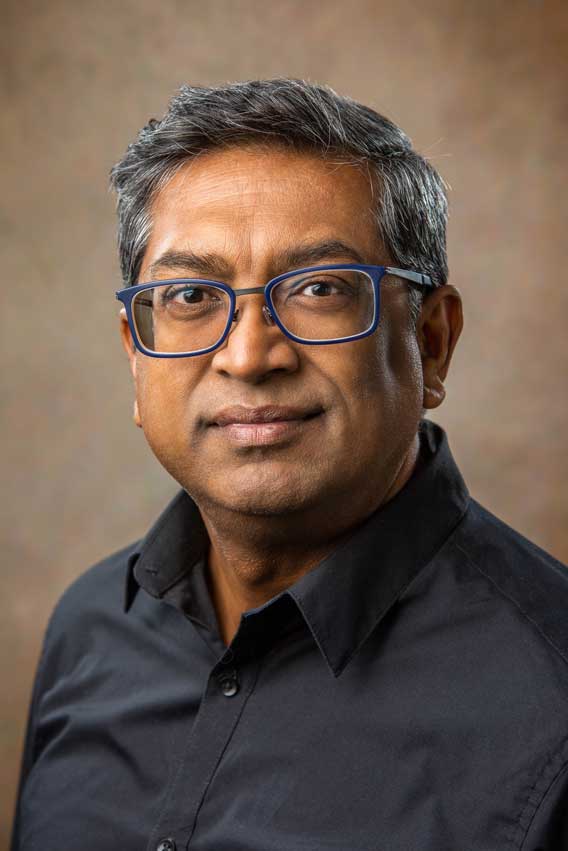
Gary Khan served as pastor of Desert Streams Church of the Open Bible in Santa Clarita, California, for 32 years. He currently serves as the Executive Director of Operations for Marketplace Chaplains in Southern California. He also serves as district director for the Southern California/Arizona/Hawaii district of Open Bible Churches. Gary is author of the devotionals Greater and Reset as well as his book, That Didn’t Go the Way I Thought: Navigating the Ups and Downs of Our Journey of Faith. Gary’s greatest achievement and joy is that of being husband to DeLaine for the past 32 years and father of three amazing kids (two biological and one “adopted”).





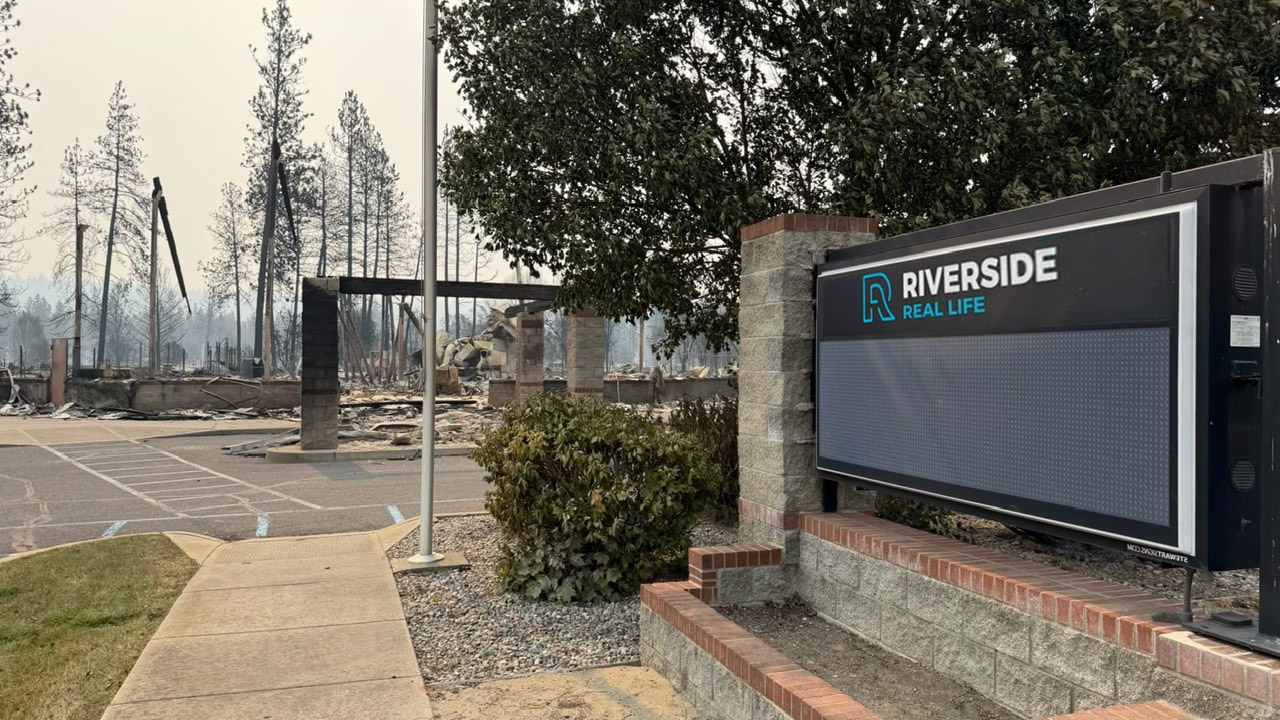
On August 1, 2026, three fast-moving wildfires swept across the Spokane area, fueled by a frightening combination of high winds and dangerously dry conditions. The Old Trails, Autumn Lane, and Fairview fires, collectively managed as the Spokane Complex, damaged or destroyed hundreds of homes and other structures and forced thousands to evacuate.
Seven Open Bible and Open Bible-affiliated churches serve communities throughout the Spokane area, and all were affected in some way by the fires. Three, however, found themselves in the immediate path of the most destructive blaze, the Old Trails Fire. Turning Point Church and Foundation Church were placed under a Level 3 evacuation, displacing members of their church families, while Riverside Real Life Church lost its building entirely. Pastors from Turning Point and Riverside share what they witnessed as fire swept through their communities and how, amid tremendous loss, they saw God provide through the generosity, prayers, and practical care of the Church.
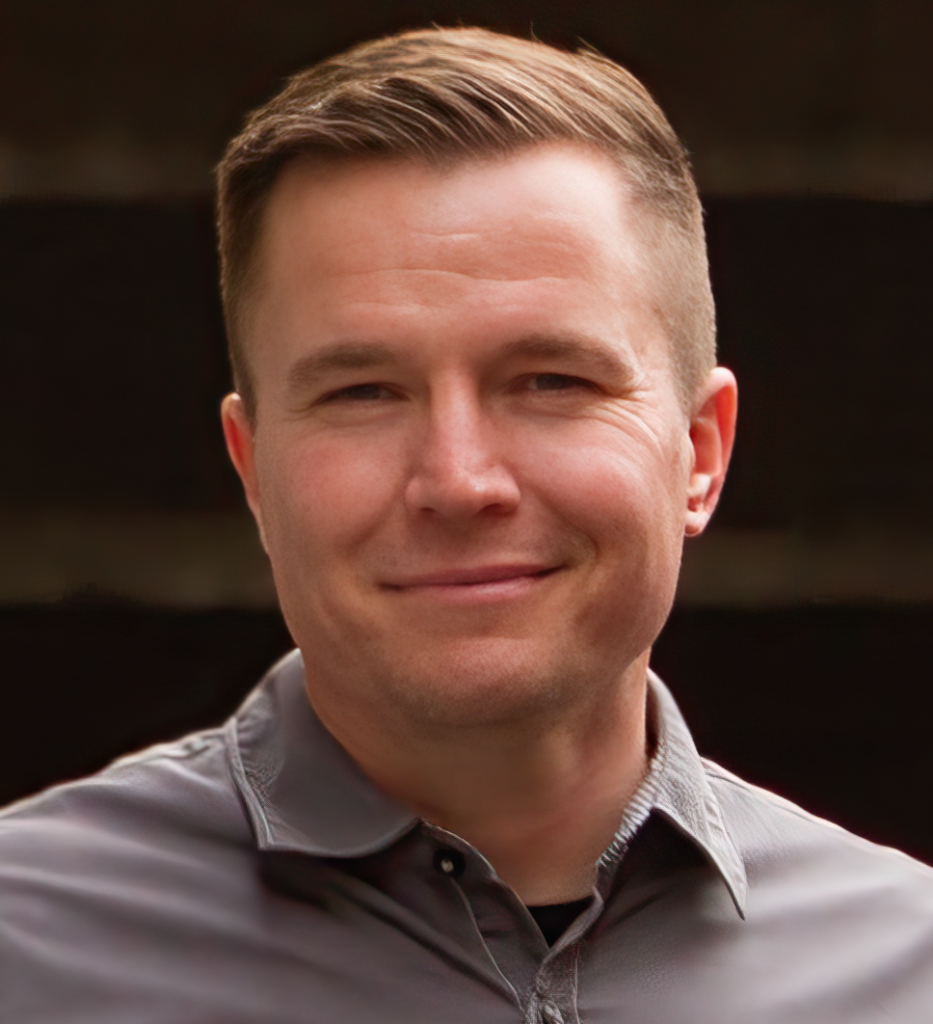
From Melissa Stelly,
Executive Pastor of
Turning Point Open Bible Church:
The pillar of angry smoke on the horizon immediately filled me with dread as I drove to the grocery store. High winds drove the flames across parched land so fast that one firefighter marveled that he couldn’t have outrun it, even if he tried. Hundreds of people desperately fled their neighborhoods, clogging the few roads out as flames appeared in their rearview mirrors. There were heartbreaking stories of people calling family members to say goodbye because they didn’t think they would escape in time
And yet, not a life was taken.
And yet, not a life was taken.
Our church was placed under a level 3 evacuation, and many of our people were displaced from their homes, either losing them completely to the flames or due to toxins that bathed their houses from the burning around them. Immediately, our church family responded with calls and emails, offering their homes to those impacted, along with gift cards, money, clothing, and even animal care. Spokane leaders met at the local high school, inviting faith leaders, non-profits, educators, and government to join together to streamline resources, establish a relief system, and collaborate. Since then, Spokane churches have recognized a deficit in crisis response and are organizing a network of churches to spearhead emergency and crisis response in our city.
I am proud of our church body’s immediate mobilization, which gave generously and put faith into action by meeting needs, opening homes, and volunteering at shelters and outreaches. One woman in our church, who lost her home to the flames, tearfully shared how overwhelmed she was by the support she received. The church family gave her stacks of gift cards, bought her clothes, generously gave to the church to meet her financial needs, and called her constantly to pray with her.
As a pastor, I witnessed this verse in action: “To equip his people for works of service, so that the body of Christ may be built up” (Ephesians 4:12 NIV).
From Kelly Armstrong,
Lead Pastor of
Riverside Real Life Church:
Our church, Riverside Real Life Church, and the entire surrounding neighborhood were destroyed by the Old Trails Fire that hit the Spokane community. Because of our location at the center of the damage, hundreds of people who call Riverside their church were displaced from their homes, at least temporarily. Praise God, most were able to return after one to two weeks; the number of homes lost in our congregation was in single digits. Many homes in the neighborhood my family lives in were destroyed, but thankfully, our home was spared, and we returned home after nine days.
The response of our community and beyond has been amazing. I’ve been contacted by hundreds of pastors and churches from all across the country and most significantly, from all across the Open Bible family. I am convinced that the prayer on our behalf has made a difference as God has opened one door after another. On September 6th, we had our first Sunday service since the fires at a middle school near where the church building was located. We came together, standing room only, to reconnect, worship God, and envision the future.
There are significant complications, but they are not barriers for Him.
Through the generosity of churches all over the country, we’ve been able to give significant financial assistance to families and individuals who’ve lost their homes, restart our small group system, launch a mobile Sunday service that we can be proud of, and continue our mission to “Reach the World for Jesus.”
I’m full of gratitude to every person and church who’ve supported through care, finances, and prayer. When church leaders ask how they can pray, I tell them, “Please pray for God’s favor in the rebuilding process. There are significant complications, but they are not barriers for Him.”
Thank you, Open Bible friends and family. I couldn’t be more grateful for your care and support; it has meant the world to me.
In the midst of tragedy, God’s goodness and glory were evident. As Pastor Melissa Stelly said when sharing her story, “The Lord preserved, the Lord provided, and the Lord used His Church to serve.” But nothing expresses God’s grace over Spokane better than Isaiah 61:3:
to bestow on them a crown of beauty
Isaiah 61:3 (NIV)
instead of ashes,
the oil of joy
instead of mourning,
and a garment of praise
instead of a spirit of despair.
About the Author

Hannah Bemis currently serves as the editor and director of Message of the Open Bible. She always wanted to do too many things when she grew up, and God has been kind enough to let her do most of them in different seasons. Those seasons have included raising little ones at home, teaching, writing, and staff pastoring, with Hannah’s most recent adventure being planting and pastoring College Street Church in Newberg, Oregon, with her husband, Jordan. After Jesus and all her favorite people, she spends the remainder of her passion on pizza and dark chocolate in equal measure.

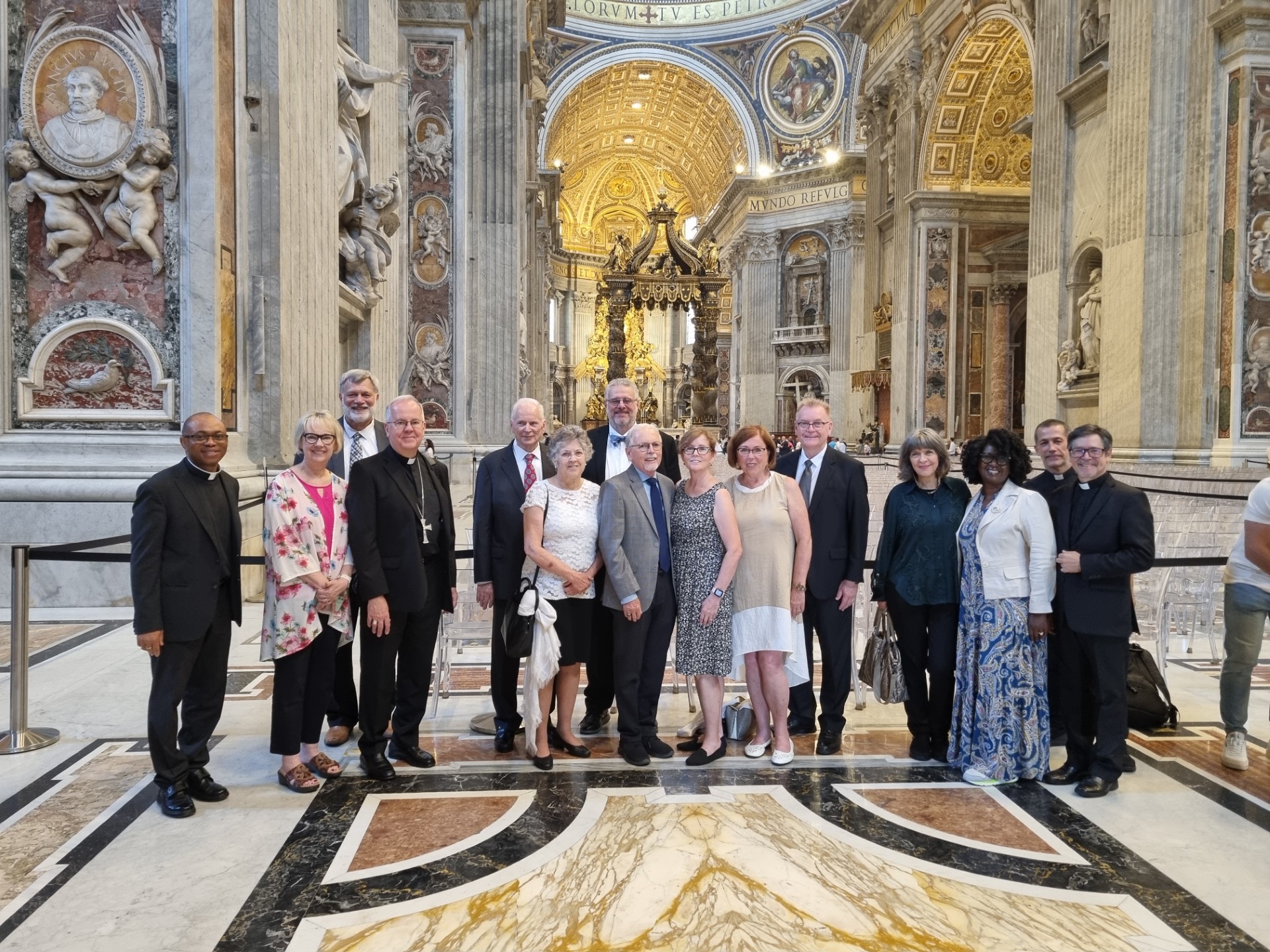
I am proud to have been a credentialed minister with Open Bible Churches for over four decades. What a privilege to have served in a variety of contexts across our wonderful family of several hundred congregations in the US, along with several thousand globally. Over those decades, God has gradually expanded my understanding of what it means to belong to His Church.
I’ve enjoyed the enriching experience of embracing so many of the distinctives of what makes Open Bible, well, Open Bible: our unwavering commitment to Scripture as the inspired, authoritative Word of God; our resolve to plant and sustain healthy, vibrant local churches; our passion for the fullness and gifts of the Holy Spirit operating in our daily lives; and so much more.
And yet, with the beauty of these ecclesial distinctives so evident in our movement, I believe I have come to realize that what we share together as our core values and practices are not completely unique to us. As a matter of fact, when we take a step back and consider just who is a part of the Body of Christ, we can discover that we have much in common with our brothers and sisters across the US and around the world. It took one unexpected friendship to deepen my understanding of what it means to belong not only to Open Bible Churches, but to the Church.
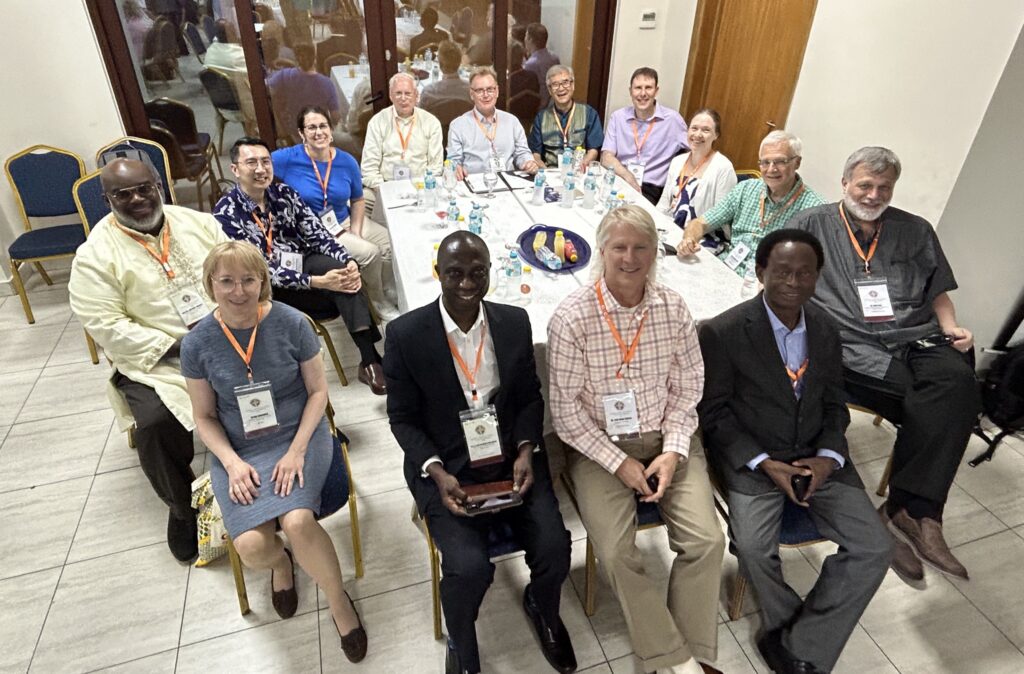
A humbling experience for me has been to receive grace and love from others who are different than me even before I was prepared to offer the same to them. One example for me comes from my years as a participant in the International Catholic-Pentecostal Dialogue. This ongoing annual conversation was begun in the 1970s by David du Plessis, the Pentecostal known as “Mr. Pentecost,” and Father Kilian McDonnell, a Catholic theologian, and continues to this day. When I attended a session of this Dialogue for the first time in 1993, I was so focused on my disagreement with Catholic doctrines and practices that I was not in a place to show much hospitality. But over the next several decades I got to know the Catholic co-chair, Father Kilian, quite well. I was amazed at how well he knew Pentecostals like me, how much he wanted to learn more, and how much he cared for us. He was respectful, honest, and compassionate. We didn’t agree on everything, obviously. But he became a mentor to me, showing me how to treat others who were different than I was. And we became friends. He passed away last year at the age of 100, and I was honored to attend his memorial service. That experience changed how I think about the global Church.
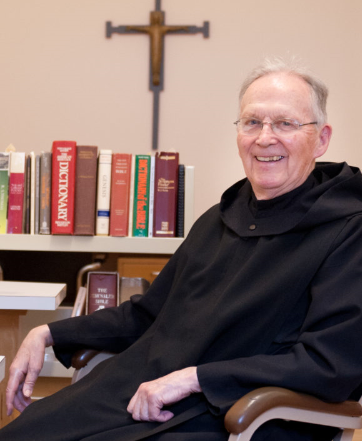
The following numbers paint a remarkable picture of the global family that shares our evangelical, Pentecostal, and charismatic faith. According to the 2026 Status of Global Christianity report, more than 1.1 billion Christians around the world identify as Evangelical, Pentecostal, or Charismatic. Of those, approximately 676 million are Pentecostal or Charismatic believers.
That global family is wonderfully diverse, including classical Pentecostal denominations like Open Bible Churches, independent charismatic networks, Catholic Charismatics, and charismatic believers within many Protestant traditions (Anglican, Methodist, etc.).
So why do these numbers matter? They remind us that we are part of something much larger than ourselves. We are not alone, and we are certainly not “small.” Along with our evangelical, Pentecostal, and charismatic brothers and sisters around the world, we are a fierce contingent in the Lord’s army. It’s both humbling and encouraging to remember that we belong to the CHURCH in all its vastness.
But that doesn’t mean we have to give up our wonderful heritage, culture, and beauty that make us Open Bible Churches. We have something to contribute to the rest of the Church. I’m reminded of the prophetic word delivered a few decades ago at one of our conventions: “Open Bible Churches is a vital organ in the Body of Christ!” That statement has never been more true.
“Open Bible Churches is not ‘the Church.’
Open Bible Churches is part of the Church
— a wonderful part,
but a part.”
And yet, we also do not want to be guilty of isolation or sectarianism. Open Bible Churches is not “the Church.” Open Bible Churches is part of the Church. A wonderful part, but a part. So, it is healthy for us to remember our brothers and sisters in other denominations and networks, to pray for them, and even to cooperate with them in community and regional initiatives so that together we may faithfully steward our callings and responsibilities to advance the Kingdom of God on the earth.
One of the most important ways we can grow in unity as believers is to start by acknowledging and valuing diversity in the Body of Christ. God didn’t make us all the same. Unity is not uniformity. The old adage still rings true: “in essentials, unity; in non-essentials, diversity; and in all things, charity.” May we agree to disagree with one another with clarity, respect, and most of all love. We can embrace grace and truth at the same time, and indeed we are called to it.
No doubt you know some followers of Jesus in your community (and probably in your own family) who do not belong to Open Bible Churches. The invitation for us all is to love them, to be grateful for all that we share with them, and to offer some space (and some grace) for our differences. This is not easy. In fact, it is hard work. Remember the words of the apostle Paul: “As a prisoner for the Lord, then, I urge you to live a life worthy of the calling you have received. Be completely humble and gentle; be patient, bearing with one another in love. Make every effort to keep the unity of the Spirit through the bond of peace” (Eph. 4:1-3 NIV). If maintaining unity was easy, Paul wouldn’t have needed to admonish us to “make every effort” to do so.
Jesus reminds us that unity isn’t just for our benefit: it’s one of the clearest testimonies to a watching world.
But if we are willing to pay the price of seeing God’s big Church, and loving it the way He does, we’ll be more Christlike, and we’ll participate in being an answer to one of the last prayers Jesus prayed before He went to the cross on our behalf: “…that they may be one as we are one— I in them and you in me—so that they may be brought to complete unity. Then the world will know that you sent me and have loved them even as you have loved me” (John 17:22-23 NIV). Jesus reminds us that unity isn’t just for our benefit: it’s one of the clearest testimonies to a watching world.
Together, let’s allow the Lord to give us eyes to see the breadth and beauty of His Church, recognizing and loving our brothers and sisters in Christ in such an obvious way that we actually become answers to the prayer of Jesus in John 17. Amen?
Here are a few resources that explore some of these issues related to Christian Unity:
That They May Be One – Podcast
That They May Be One – Film
PCCNA Christian Unity Commission
Forum for Unity
International Charismatic Consultation
Global Christian Forum
About the Author
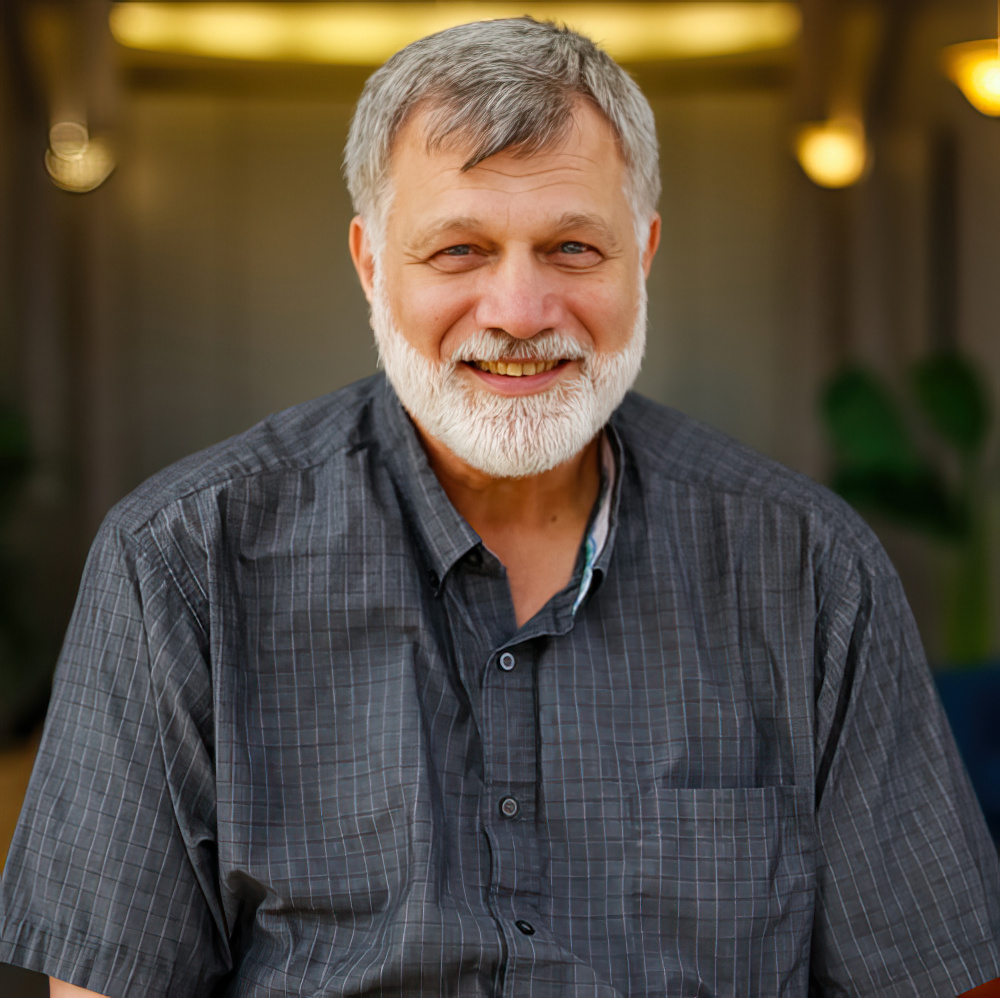
David Cole has been a credentialed minister with Open Bible Churches since 1984. He is currently Professor of Historical Theology at The King’s University in Southlake, Texas. He is also involved in a variety of initiatives related to his calling to encourage the pursuit of unity among believers in Jesus, and to that end currently serves as chair of the Christian Unity Commission with the Pentecostal/
Charismatic Churches of North America. He and his wife, Julie, are parents of four, grandparents of ten, and are currently located in Newberg, Oregon, where they attend College Street Church.


I woke up unable to speak. A breathing tube filled my throat. Machines surrounded my hospital bed. I was confused, intubated, and lying in an ICU room with no memory of how I got there. But strangely, I was not afraid. In the middle of the chaos, God gave me an unexplainable peace.
I motioned desperately for paper and pencil so I could ask two questions: What happened? And where is George?
My son’s father explained that I had been in a serious car accident. The car was completely destroyed. I had been found trapped beneath the steering wheel with severe facial injuries.
That morning — January 22, 2026 — had started like any other Thursday. I got ready for work, buckled my 18-month-old son George into his car seat, and pulled out of the driveway expecting an ordinary day.
It became anything but ordinary.
My neighbor, who had left home at the same time I did, later explained what happened. We were both driving around fifteen miles per hour when the car I was driving suddenly lost control. I still do not know why, and I have no memory of the moment itself.
By the grace of God, George was almost completely untouched.
The car hit a cement light pole, crossed into oncoming traffic, and was struck head-on by another vehicle. Both vehicles spun, and the car I was driving slammed into another cement light pole.
By the grace of God, George was almost completely untouched.
The back windshield shattered directly above him, yet the glass never harmed him because of the position his car seat landed in. The entire back left side of the car was crushed inward, but George had been seated on the back right side. Even now, I can only thank God for His protection.
I was taken by ambulance to the hospital and admitted into the Trauma ICU. Doctors told my family that I had suffered severe head trauma resulting in a brain bleed. I was also bleeding internally in my abdominal area, and they began preparing my family for the possible loss of my pregnancy.
… the doctors did not know the God my family and I serve — and how merciful He is.
But the doctors did not know the God my family and I serve — and how merciful He is.
My family immediately began to pray. Members of my church, Open Bible Church of Homestead, began arriving at the hospital, and soon an entire army of people was interceding for me.
During those first two days, I drifted in and out of consciousness and remember very little. But one moment remains clear in my mind: I heard the song “I Surrender” by Hillsong Worship playing in my hospital room. The lyrics, “Like a rushing wind, Jesus breathe within, Lord have Your way, Lord have Your way in me,” stayed with me and brought a deep sense of comfort in the middle of everything happening around me. In that moment, those words became my prayer as I quietly prayed, “I leave this in Your hands.”


After three days in the ICU, I was successfully extubated and began making remarkable progress. Ultrasounds showed a happy, active baby, and the bleeding had stopped.
On the fourth day, I was transferred out of the ICU into intermediate care before eventually moving to the medical-surgical floor. Doctors then began preparing me for maxillofacial surgery to reconstruct my face after multiple fractures.
On January 30, I underwent an eight-hour surgery. By God’s grace, the procedure was successful, and another ultrasound afterward showed my unborn baby remained active and healthy. On February 3, I was finally discharged and able to return home.
Since then, my recovery has gone smoothly. I am now twenty-eight weeks pregnant and waiting expectantly for the arrival of my baby. Through every frightening moment, God gave me strength and peace, and I never doubted His mercy.
Today, I am a living testimony of His grace.
About the Author

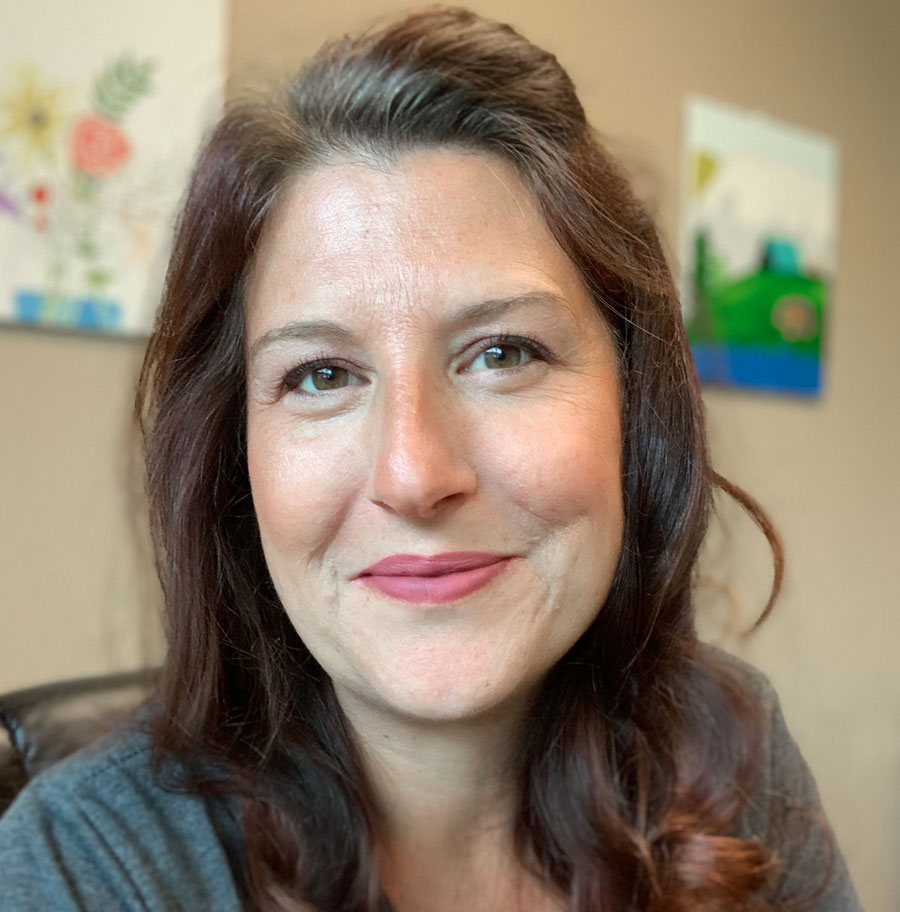
Thammy Castro is a behavior technician living in Miami and a soon-to-be mother of two. In her free time, she enjoys traveling with her family. She is a member of Open Bible Church of Homestead, where her parents, Jose and Maria Castro, serve as pastors.