
Around the World
2020: The Refocused Church

By Mike Lumbard
What makes a church’s response to COVID-19 successful and effective? The worst response a church can make is to do nothing or to choose not to adapt.
One leader from the past who was criticized for his methods responded, “I like what I am doing better than what they are not doing.” As the pandemic unfolded in the first quarter of 2020, the Church did not have good modern precedents to follow. Many have looked to the Church’s response to the bubonic plague of the 1500s, during the time of Martin Luther. Luther wrote this:
This I well know, that if it were Christ or his mother who were laid low by illness everybody would be so solicitous and would gladly become a servant or helper. Everyone would want to be bold and fearless; nobody would flee but everyone would come running. . . . If you wish to serve Christ and to wait on him, very well, you have your sick neighbour close at hand. Go to him and serve him, and you will surely find Christ in him . . . .
Churches have usually been slow to adapt to changes in the culture around them. This pandemic has forced the church to adapt quickly. The worldwide response and lockdowns have forced a view of ministry that is not focused around a building. It has caused churches to rethink how to minister to their own people as well as to the needs of their communities. In the past two months we have seen creativity, innovation, and God-inspired changes that will alter the way we minister from now on.
Below I will share three case studies from Open Bible churches outside the U.S.A. that have adapted their ministries.
Bayshore in Marabella, Trinidad and Tobago
Bayshore is a small church in an economically depressed, high crime, squatter community. Although the attendance is small (25-30), its members are actively involved in the transformation of their community. About two years ago the church began streaming their services over Zoom for members who could not attend. Normally only two or three people logged on. When the pandemic forced the closing of the building for services, church staff quickly moved all services and prayer meetings to Zoom. The leaders worked with members to download the app on their phones and then showed them how to use it.
Services are interactive as various members lead shared worship, prayer, and testimonies followed by a sermon. At the end of the service mics are open for everyone to allow members to greet each other. Members were also taught how to pay their tithes online. Each week, even though Pam and I are in the States due to the lockdown, I teach during one of the Zoom services.
The Bayshore church quickly recognized the needs in their community, so they organized and distributed 40 food boxes to needy families. They also use the app WhatsApp for members to daily interact and encourage each other. The result is that this church has seen growth. They are adding new people to the WhatsApp group chat, and new people are joining the Zoom services.
Ndengelwa, Kenya
Pastor Charles Omina, Kenya’s Open Bible field director, pastors a rural church in Western Kenya. In the first two months of 2020 the church was experiencing growth. There was excitement; people were bringing friends and relatives, and many were getting saved. Then the COVID-19 pandemic forced shutdowns across Kenya. While churches in other parts of Kenya and the world shifted ministry to social media, Pastor Omina did not have those options. Most members of his church do not have Internet and therefore do not have Facebook and other social media options. Most of his people do not even have the WhatsApp on their phones. The only ministry available to Pastor Omina was to personally call his members and to visit some of them.
After a time of prayer, God gave him a strategy. He began to meet with his cell group (small group) leaders and then release them to contact and minister to the rest of the members of their groups. Each week after contacting the members of their respective groups, the group leaders would then report back to Pastor Omina. The group leaders were excited about the plan, and that excitement has transferred to the members. The result of this God-given strategy is that even with no social media options, Pastor Omina’s church is experiencing growth. New people are joining the church.
The church has also been ministering to the physical needs of its community. During this time there is great need among the people. Because people are not working during the lockdown, they do not have money to buy food. The church found a way to buy some bulk food to distribute to help meet the needs.
San Fernando Open Bible (SFOB), Trinidad and Tobago
The San Fernando Open Bible Church is one of the largest Open Bible churches in the world with a weekend attendance of over three thousand people. While larger churches have options that other churches do not, it is often harder for large churches to make changes quickly because the effects of those changes impact many people.
SFOB has been broadcasting their services on the Internet for years and developed a large online following. When they were forced to stop services in their building due to the pandemic, they immediately shifted to online devotions on Facebook Live six days a week at 8:00 a.m. and 8:00 p.m. with two services on Sunday. People quickly embraced the new schedule. Hundreds are actively engaged for every session with comments, likes, and shares. The church’s 35 cell groups (called clusters) began meeting weekly via social media like Zoom. Other groups, including prayer groups, youth, and new believers’ classes, are now all online. A prayer line was added for people to have an intercessor or pastor pray with them personally or to receive counseling.
A system for pastoral care was developed to maintain contact with the thousands associated with the church. The pastor divided the church into zones built around the clusters. This way church leadership has been able to be in contact with everyone from active members to casual attenders. When needs are identified, the church steps in to help meet the needs.
One of the most significant innovations involved worship. SFOB has been known for their worship and music ministries. Before the lockdown their music ministry, Gates Praise, had hosted six worship events called Worship Without Walls. After the lockdown the decision was made to host Worship Without Walls online resulting in a nearly three-hour worship event during which Gates Praise partnered with worship leaders in 14 countries. It struck a chord in the hearts of people who were weary with the pandemic and the lockdown. Thousands logged on and were moved to worship the King of the universe.
My Conclusions
God has a unique strategy for each church that will enable them to minister to their people and their community during this time. We can learn from other churches, but there is a specific strategy that works best for each church.
The Church is rediscovering ministry that does not revolve around a building. Church buildings will once again be used to help facilitate ministry rather than to define ministries. Some of the previous strategies will need to be reevaluated and some of them laid aside. This new normal that is emerging will increase the effectiveness of ministry.
God’s kingdom will advance especially during times of crisis. The persecuted Church around the world already understood this. In uncertain times people look for answers and stability, which are ultimately found in God. There are hearts that are open now, waiting for a message of hope. This should be the Church’s finest hour.
About the Author

Mike Lumbard and his wife, Pam, were pastors in the States for thirty years. Since 2010 they have been missionaries in Trinidad and Tobago. As Directors of the School of Global Leadership, they show people how to have God’s heart for the world and for the lost.



“We will not hide them from their children, telling to the generation
to come the praises of the Lord, and His strength and His wonderful works that He has done”
(Psalms 78:4 NKJV).
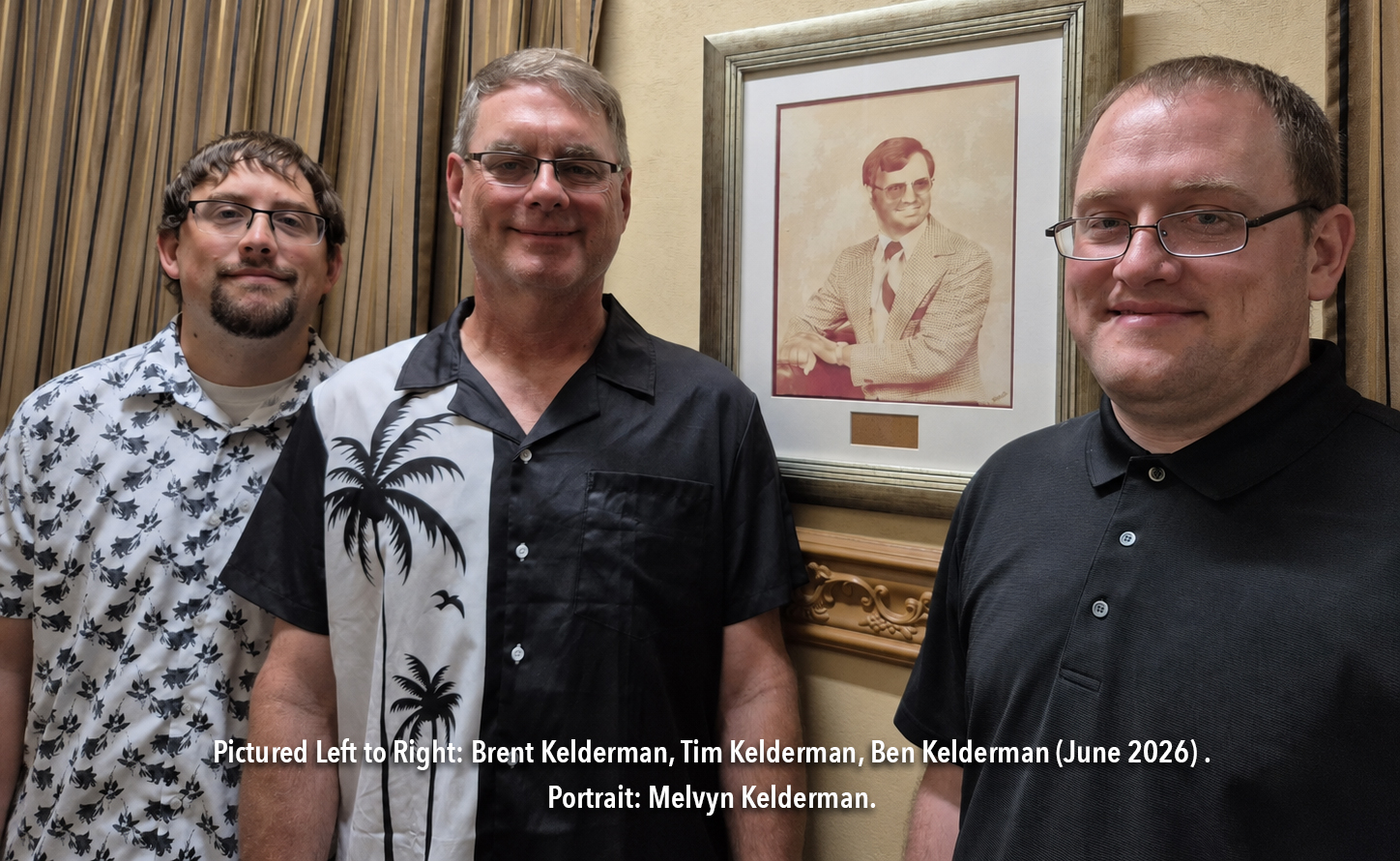
On March 1, 1967, Melvyn and Barbara Kelderman moved to Trinidad and Tobago. That step of obedience began a family legacy that decades later led us—their son and daughter-in-law—to return as full-time missionaries serving with the School of Global Leadership (SGL). Looking back, we see God’s faithfulness from one generation to the next.
Before being appointed as missionaries in 2024, we both taught secondary school while serving at Open Bible Church in Omaha, Nebraska. During those years, God gave us countless opportunities to grow in ministry and deepen our calling. Having served in cross-cultural ministry in several countries, we were grateful when He opened the door to join Global Missions full time. Today we serve with the School of Global Leadership, helping believers discover their role in God’s global mission and equipping those who are moving from called to sent.
School of Global Leadership
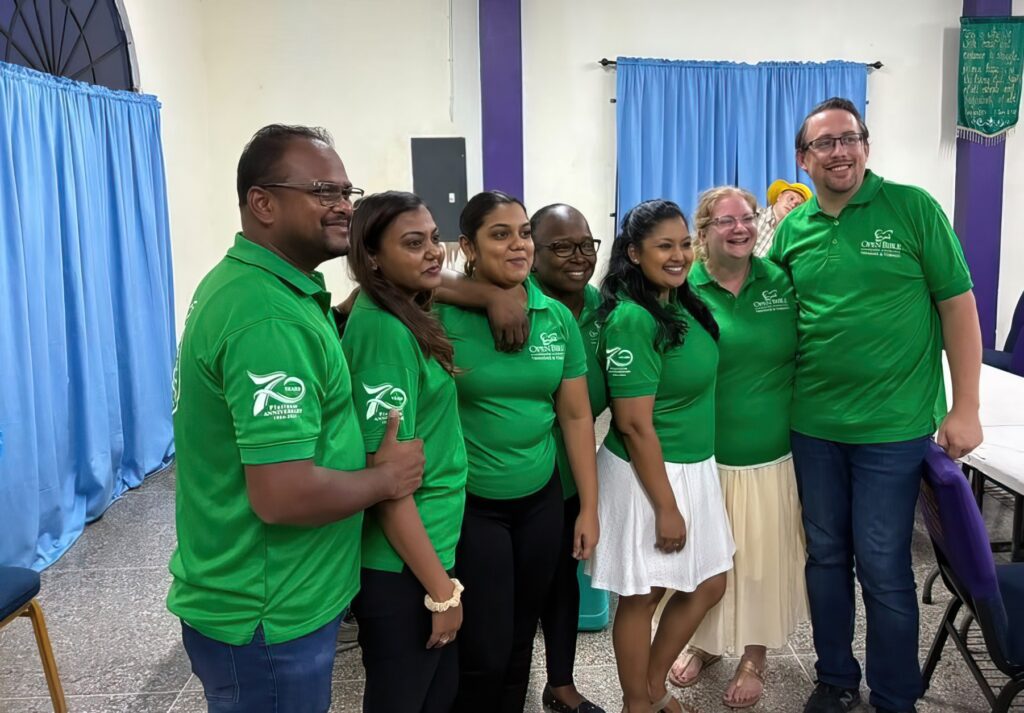
Since its beginning in 2010, SGL has helped revitalize the vision for missions within the Open Bible Standard Churches of Trinidad and Tobago. Their work in Trinidad and beyond has helped SGL to become a partner with the Global Missions department in helping connect, expand, and reach into other countries around the world with the Gospel.
One of SGL’s greatest joys is hosting teams from Open Bible Churches in the United States. These short-term ministry experiences allow participants to encounter Trinidad’s diverse religious landscape, including Muslim, Hindu, and African-derived faith communities, while discovering how God may be calling them to serve. SGL also equips future missionaries through online courses and hands-on training. Whether you’re exploring God’s call, preparing for long-term service, or simply wanting to learn more about His work among the nations, we’d love to help you take your next step.
Looking to the Future
While Trinidad remains our training base, we believe God is expanding this vision. Our hope is to establish SGL training hubs in Europe, Asia, Latin America, and Africa so that future leaders can be equipped within their own languages and cultures. As we continue partnering with Global Missions, we believe God will open doors to train and equip missionaries from everywhere to everywhere.
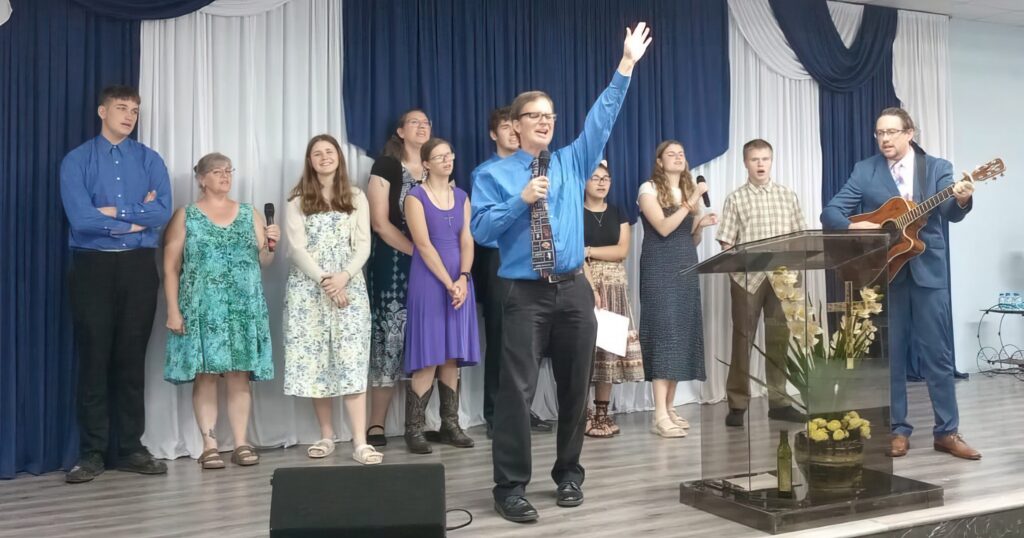
We are deeply grateful for the churches and individuals who pray for us and faithfully support this ministry (Philippians 1: 3). Together we are helping prepare the next generation of workers who will carry the gospel to the nations. Just as others invested in us, we now have the privilege of investing in those God is calling today – and we believe He will continue telling His story from generation to generation.
About the Authors
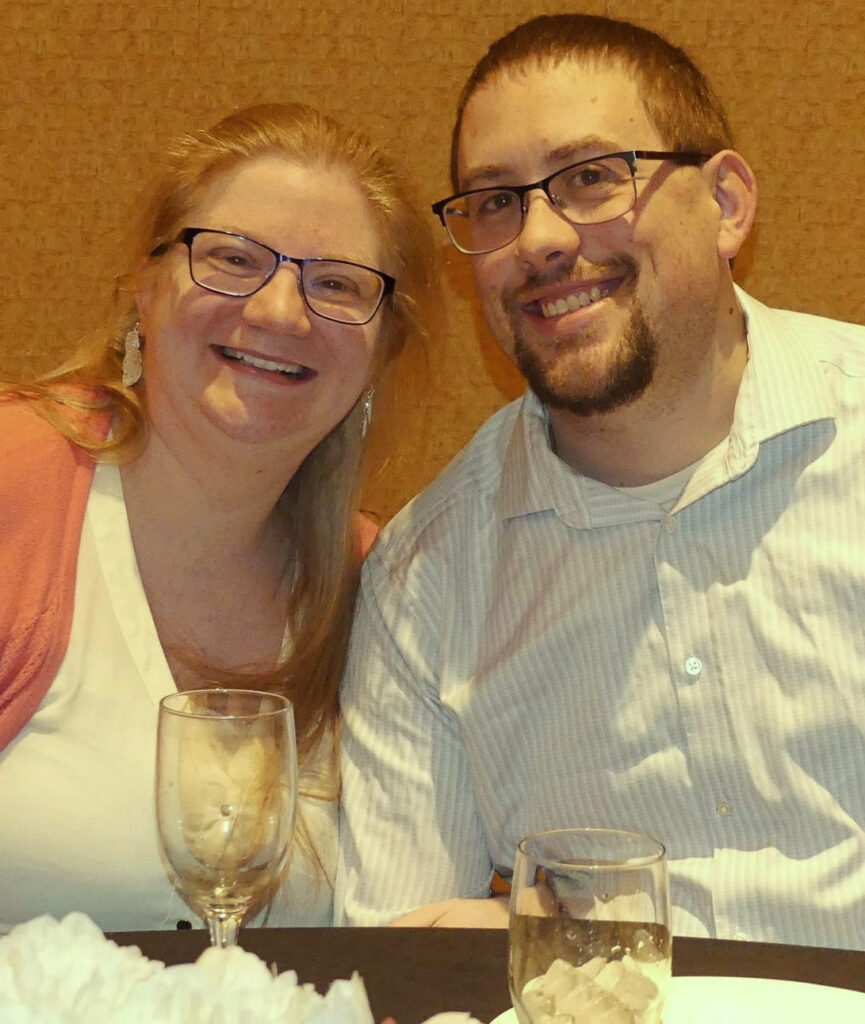
Brent and Sara Kelderman are pastors and missionaries with Open Bible Churches USA. After serving as teachers at a public high school in Nebraska and as associate pastors in their local church, God expanded their calling into full-time missions. Throughout their marriage, God has woven a passion for the nations into their hearts. They currently serve within the School of Global Leadership (SGL) in Trinidad and Tobago. Their ministry includes hosting missions teams, leading missions training, and partnering with local churches. They are grateful for all God has done and look forward to all He will continue to do in and through their lives.

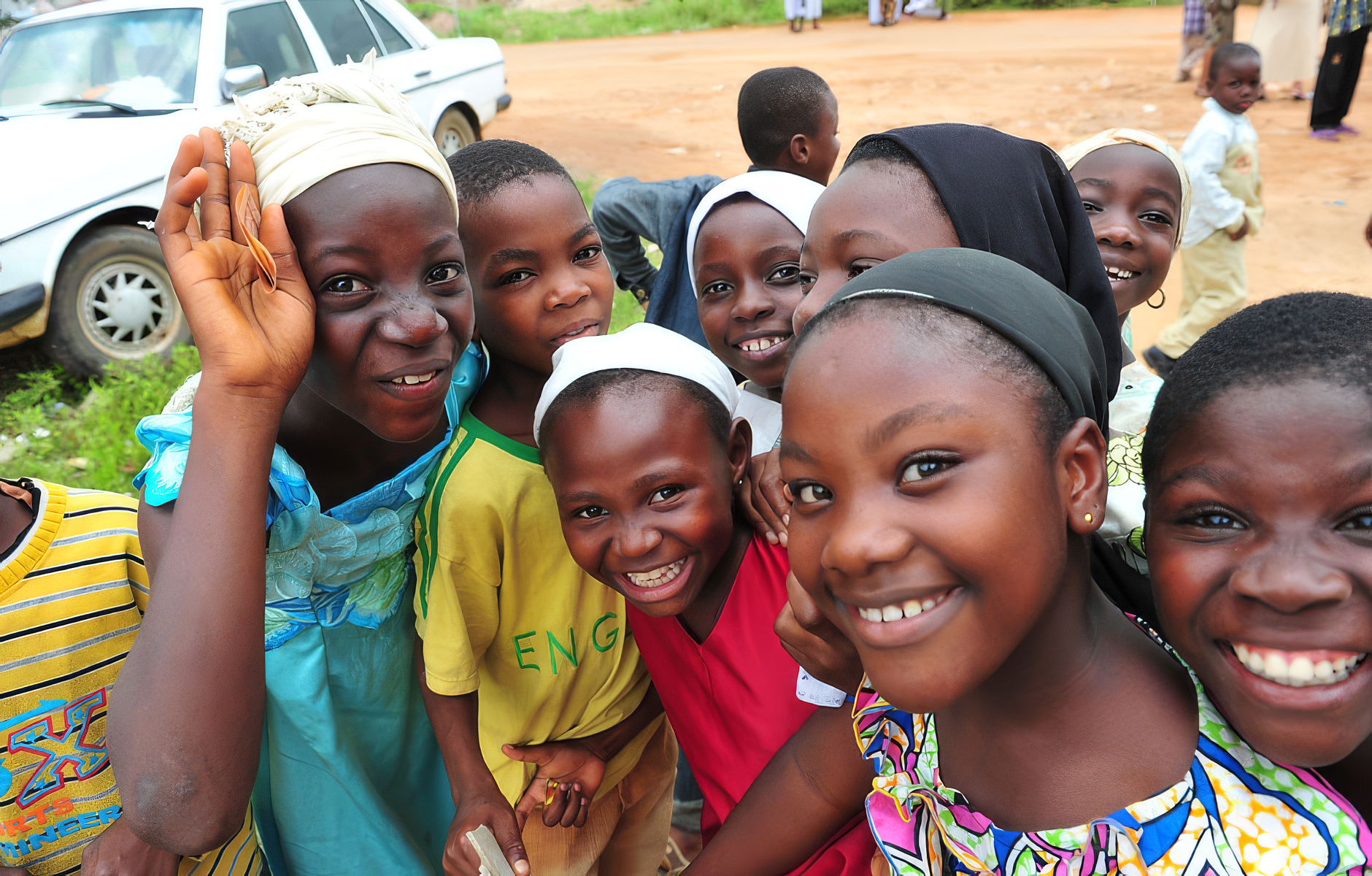
In parts of Nigeria today, land is no longer just a livelihood – it’s a battleground. In search of increasingly scarce water and grazing land, semi-nomadic Muslim herdsmen are moving their flocks south into areas already inhabited by Christian farmers. This encroachment has intensified conflict, resulting in thousands of deaths, the displacement of millions, increased kidnappings, and deepening ethnic tensions. This is the environment in which Open Bible’s ministry continues day after day.
Despite these challenges, the Gospel is advancing.
Okon Obot, Open Bible’s Superintendent in Nigeria, shared the following story with me:

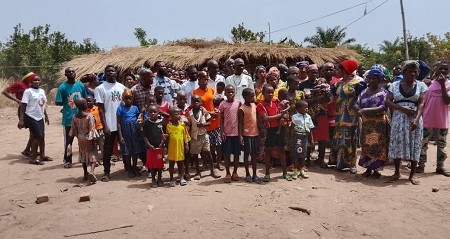
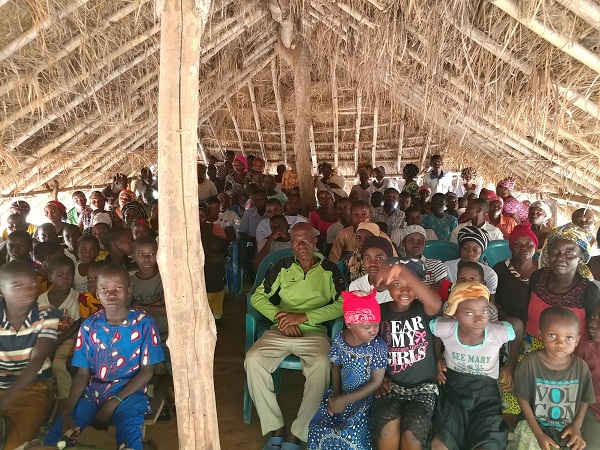
Recently we held an evangelistic crusade in one of the affected regions. Despite security concerns, people came looking for hope and peace. Evangelistic crusades remain a powerful and effective way to share the Gospel in village communities where fear and uncertainty are a part of daily life.
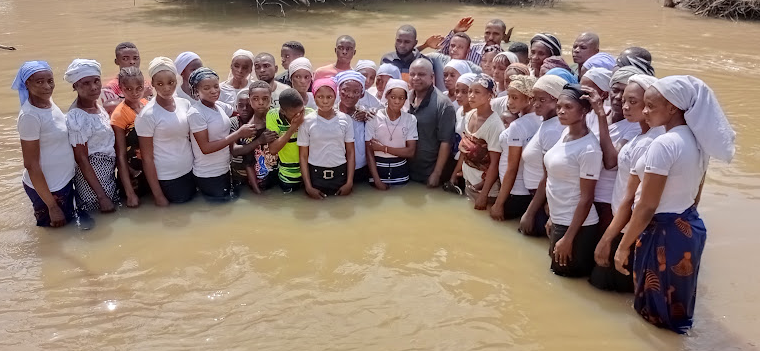
The theme of the crusade was “Arise and Shine,” and over 300 people gathered. By the end, sixteen people had given their lives to Jesus and fifteen were immediately baptized and welcomed into the church, each a testimony to God’s faithfulness.
A high point of the crusade was the reconciliation of a family of brothers divided for five years. Under the conviction of the Holy Spirit as the Word of God was shared, they chose forgiveness and were restored to one another. They returned to their homes with joy and peace.
In response to God’s work in their lives, the brothers donated a large piece of property in their village, Mbabuu, for the construction of a church building.
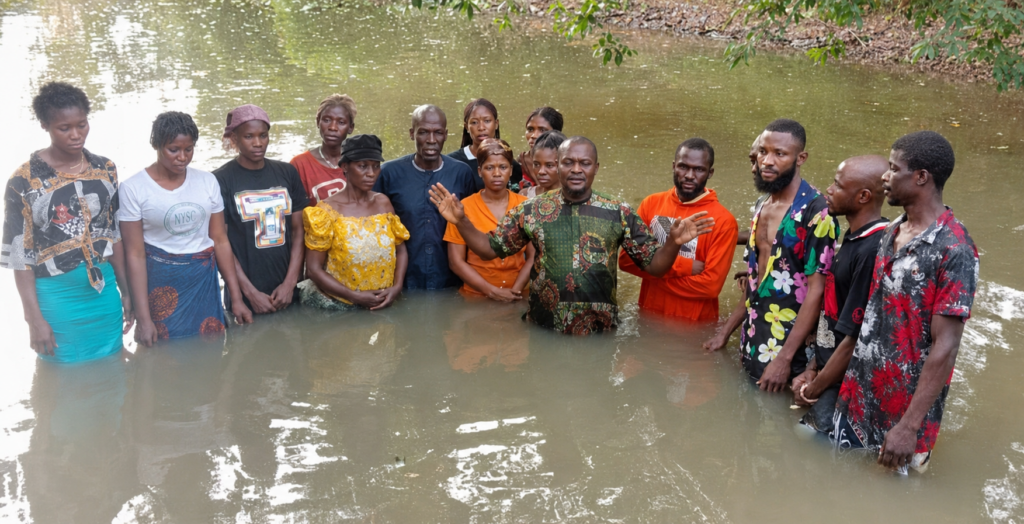
This is where the 2026 Global Harvest Offering, “Build Hope for Africa,” comes in. When we reach our goal of $200,000, Nigeria will be one of the recipients. Open Bible will partner directly with Pastor Okon to build a new church building in a place like the village Mbabuu.
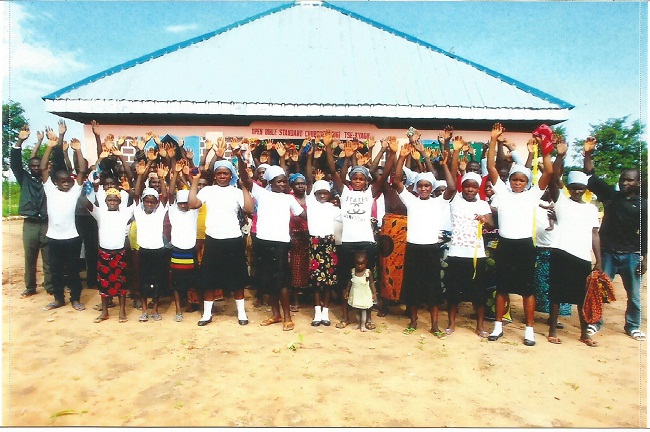
This is more than a construction project – it is the next step of what God is doing. Despite hardship, churches in Nigeria are growing and new buildings are needed to serve expanding congregations and reach their communities.
Your gift to “Build Hope for Africa” can help provide a visible witness of Jesus in a region marked by instability and equip local leaders like pastor Okon to continue evangelizing where the need is great.
In a place where land is fought over, God continues to build His Church!
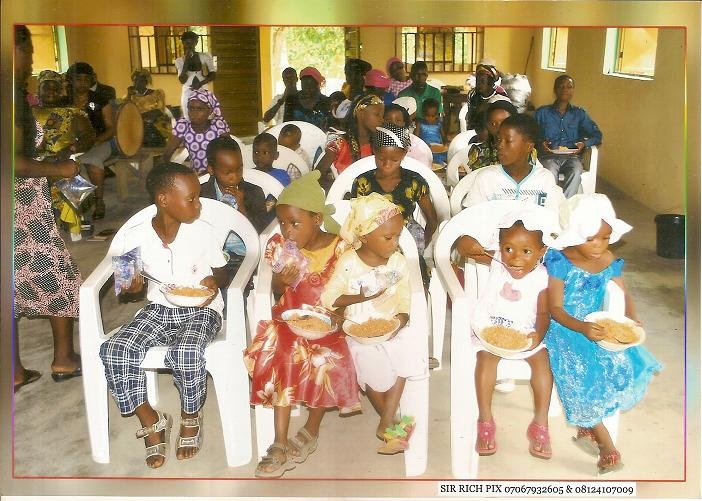
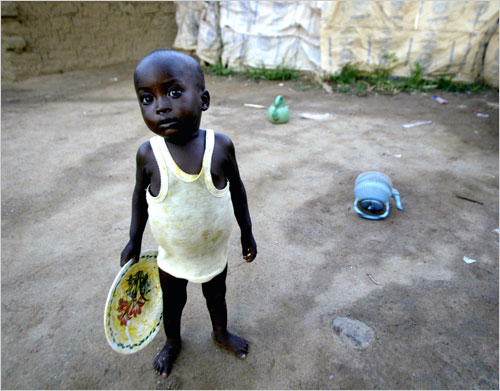
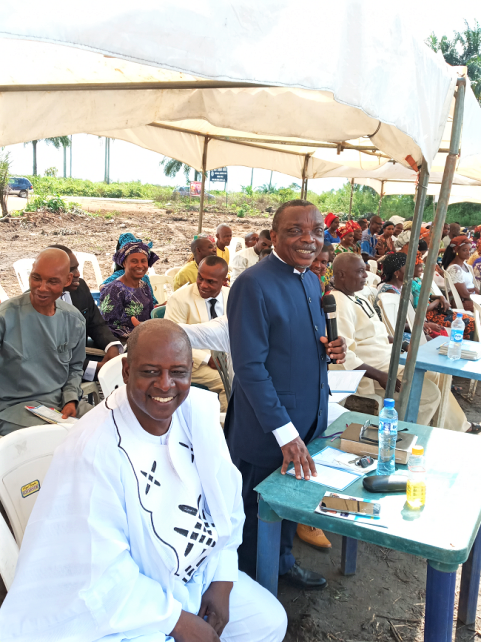
Snapshots of the vibrant ministry happening in Nigeria:
About the Author

Tammy Swailes is passionate about cross-cultural Christian education, so working with INSTE Bible College to disciple and equip leaders throughout Europe and beyond is a great fit! Tammy has lived in Europe since 1999 – first in Hungary and now Ukraine. Before that, she was in Japan, as well as Spokane, Washington. She now serves as INSTE regional director in Europe, assisting INSTE programs in five languages. Tammy has her undergraduate degrees in both Missions and Christian Education and a MA in Intercultural Studies. Photography, good coffee, multi-cultural experiences, and the family’s Yorkie are some of Tammy’s favorite things.

Have you ever wondered, What in the world are our Open Bible missionaries doing now? We wish we could visit every church or sit down over coffee and share what God is doing where we serve—but that isn’t always possible.
So this month, we’ve gathered brief notes from missionaries around the world. As you’ve read these updates from around the world, we invite you to pray for our missionaries—their families, their ministries, and the communities they serve. Please also share these stories with your church so others can join in prayer.
Use the interactive map below to see the updates:
Trouble seeing the map? Click HERE
About the Author
Tammy Swailes is passionate about cross-cultural Christian education, so working with INSTE Bible College to disciple and equip leaders throughout Europe and beyond is a great fit! Tammy has lived in Europe since 1999 – first in Hungary and now Ukraine. Before that, she was in Japan, as well as Spokane, Washington. She now serves as INSTE regional director in Europe, assisting INSTE programs in five languages. Tammy has her undergraduate degrees in both Missions and Christian Education and a MA in Intercultural Studies. Photography, good coffee, multi-cultural experiences, and the family’s Yorkie are some of Tammy’s favorite things.