
Spotlight
Ready, Set, Go!


By Frank Collins, Jr.
The loss of a great leader can either discourage or encourage his or her followers. We can mourn the absence of their leadership or use their lives as inspiration.
In the first chapter of the book of Joshua we observe God handing over leadership of the Hebrew nation to Joshua the son of Nun, Moses’ assistant. God informs Joshua that Moses is dead. He then commissions Joshua to take the reins and do what is necessary to accomplish the mission of God.
Three times in Joshua 1 God instructs Joshua to “be strong and courageous.” In fact, in verse 7 Yahweh instructs Joshua to be strong and very courageous. Joshua is about to enter areas of land that he has never crossed into before. He is entering this land by faith because he has heard from God.
Those of us who follow Jesus Christ have experienced the physical absence of our leader also. But before Jesus ascended into heaven, He, being God, commissioned us to carry on the work of making disciples of all the nations. We call this work the Great Commission. This declaration applies to all Jesus’ followers, so we should understand the factors that are involved. It reads,
“All authority in heaven and on earth has been given to me. Go therefore and make disciples of all nations, baptizing them in the name of the Father and of the Son and of the Holy Spirit, teaching them to observe all that I have commanded you. And behold, I am with you always, to the end of the age.”
Matthew 28:18-20, ESV
A believer is either going to be encouraged or discouraged to follow Jesus’ directive to “go make disciples!” Fear can come upon us when we decide to “go,” even if we are operating under the authority of Jesus Christ Himself. Nonetheless, since Jesus Christ has all authority, we may obey Him without fear. No matter where He leads us, no matter what circumstances we face, He is in control. By His death and resurrection, Jesus defeated all enemies and won for Himself all authority. He is with us always.
Because I was ready to “go,” God recently gave me an opportunity to see God at work in the fulfillment of this commission by our departed Leader.
As a retired master plumber, I hardly ever touch my tools anymore unless there is work to be done at our home. However, a friend of mine recently gave my phone number to “Suzie,” a woman of Indian descent who wanted me to come and do some work on a toilet at their house. Other things seemed to continually get in the way, so it was two weeks before I could get to the house. When I arrived, Suzie’s husband, “Prakash,” met me at the door, let me in, and offered me a Pepsi. (I declined because I never drink on the job😊). It turned out all Suzie needed was the toilet seat changed on her bedroom toilet from a regular toilet seat to a heated bidet seat.
About 12 years ago I did some test work on a Hindu worship center and took my son Frank III along with me. As we walked through their worship center, Frank III noticed that there were about 200 statues and statuettes on the stage at the front of the room. Naturally, he wondered what they were.
I explained to him that they were false gods that the Hindi people worshiped. Following that experience, I studied up on Indian religious practices. Little did I know God was preparing me for future opportunities to engage people of the Hindu faith. Fast forward 12 years to my recent efforts to help Suzie and her husband with a toilet seat. It took me two hours to do something that normally would have taken only 15 minutes because of the conversation the three of us had as I sat on the floor in their bathroom.
Even though it had been years since I had studied Hindu worship practices, I now have new friends from a different race. I learned that Prakash had accepted Jesus Christ as his Lord and Savior years ago. His wife, however, believes that everyone has their own god. I look forward to our conversations to come concerning Jesus Christ and Hinduism. Before I left the home, I prayed with these new friends, and I continue to pray for Prakash, who is in the beginning stages of dementia.
Are you ready to “go?” Are you willing to do some research and learn the customs and lifestyle of people who are of a different belief than you? A different race? Or simply to reach out to a neighbor? I am! Thank you, Father, for preparing me for the opportunity to GO and assuring me of Your authority and presence as I obey.
About the Author
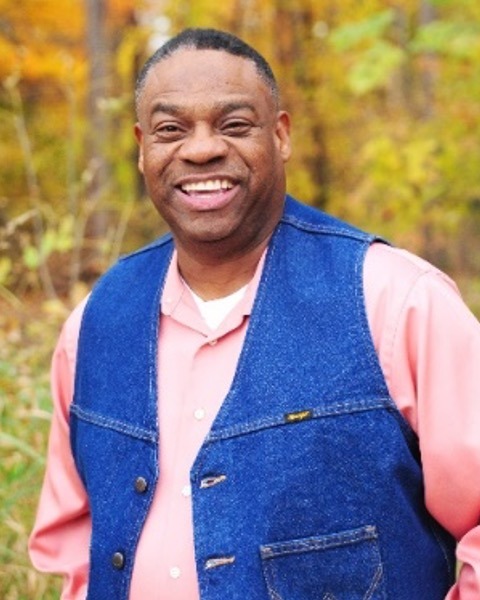
Frank Collins Jr. is the lead pastor of Breath of Life Christian Church in Harper Woods, Michigan. Born and raised in Detroit, Michigan, he is a retired skilled trades teacher and journeyman plumber. A certified human behavior counselor, Frank holds a B.A. degree in biblical science and is currently a graduate student at Moody Theological Seminary in Plymouth, Michigan, pursuing a Master of Divinity Degree.
Frank genuinely loves God, God’s people, their families, and the lost. It is his heart’s desire to help others become growing disciples for Christ so that they can enlarge His Kingdom on earth and subsequently take their place in heaven. He has been happily married to Renita since 1998. They have five beautiful children: Andrew, Kimberly (deceased), David, Frank III, and Raina.


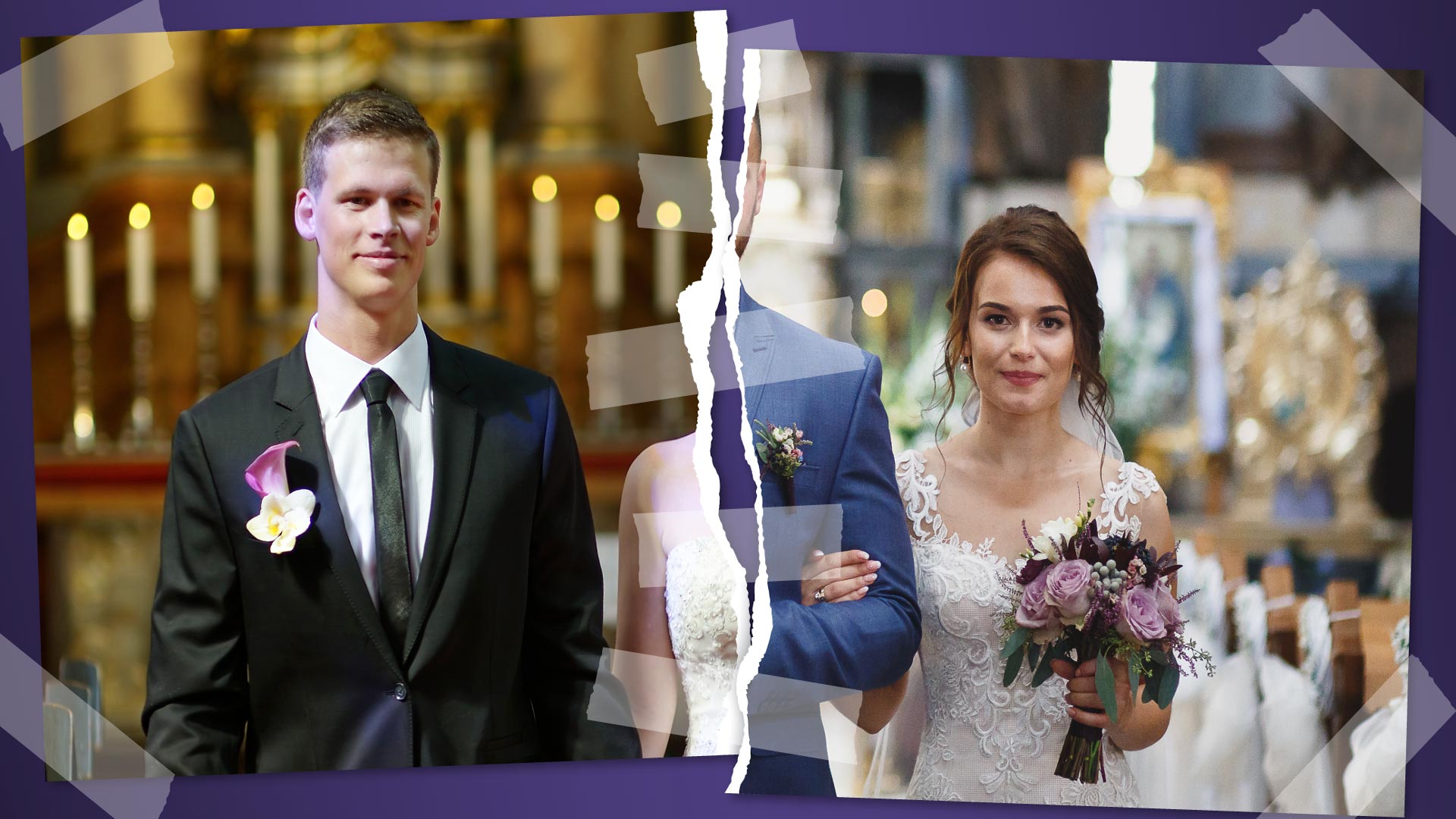



Ruth Brauer spent decades wondering about the brother she never got to know. Born with Down Syndrome in the 1960s, he’d been sent away with little explanation, and she was discouraged from asking questions. After years of dead ends, a series of connections only God could have orchestrated led to the reunion she’d been praying for. Sixty years after his birth, Ruth finally saw her brother for the first time.
It was March 1960. Ruth was about to turn seven when her baby brother was born on March 8th at Iowa Methodist Hospital. The excitement of finally having a brother to join her and her three sisters quickly turned to confusion as she was unable to meet him. Later, she learned he had Down Syndrome and that doctors had advised her parents to place him in a care facility at the nearby Woodward State Hospital.

“Back in the sixties, that’s just what you did,” Ruth shared. “But I know it tore my parents apart.”
Questions about Alan were shut down. Ruth didn’t know where he was or even his exact birth date.
“I always wondered about him, but I’d get in trouble when I asked.”
Even without knowing him, Ruth had always felt drawn to him. That compassion shaped much of her life. After being invited to Journey Church in 2016 by a friend, Ruth was especially moved by the church’s outreach events for children with special needs. As a barber, her favorite clients were those with special needs, and she also volunteered for years with the Des Moines Special Olympics.
That’s where the first breakthrough came.
One day, she struck up a deeper conversation with a fellow volunteer named Ray. He mentioned he had worked at Woodward State Hospital starting in 1959. Ruth’s attention snapped into focus.
“My brother was there in 1960! His name was Alan Politsch.”
Ray’s reaction was immediate. His eyes widened and he began to walk away.
“Wait—what did I say?” Ruth called after him.

I had my hand on the table, and suddenly he was holding it.
“I’m not allowed to talk to you,” he replied. “Your parents banned me from talking to you.”
Still, she pressed him for one thing: a birthdate.
“Please, my parents are gone. I just want to find my brother.”
Before the day ended, Ray quietly gave her the month and day. It was enough to start, but not enough to get through the wall of privacy protections. Every group home she contacted turned her away.

Years passed.
Then another door opened—this time at a food pantry. Ruth shared her story with a volunteer named Bob, who offered to connect her with someone in the state department.
“They may not even call you,” he warned.
But they did.
The woman on the phone didn’t give her name, but simply said, “Bob said I needed to hear your story.” Ruth told her everything she knew: names, dates, places, family history. Weeks later, the phone rang again.
“Hi, this is Michelle,” the voice said. “I’m Alan’s guardian.”
Tears falling, Ruth began to speak.
“I don’t want to take anything from you. I just want to know he’s okay… maybe see a picture. And someday, maybe meet him.”
As she spoke, Ruth’s phone began to ping. Michelle was sending photos.
The call came in 2021, but it would take almost two years to build enough trust for a visit.
In August of 2023, Ruth was invited to a staff meeting at Alan’s care facility. As she sat in the room with nine other employees staring at her, Michelle walked into the room, Alan beside her, and guided him to the seat right next to Ruth.
I always felt like he was close by,” Ruth said. “I just didn’t know he was five miles away my whole life.
“He kept looking at me, nodding, with this little crooked smile,” Ruth said. “I had my hand on the table, and suddenly he was holding it.”
A nurse watching over video spoke up: “He knows you’re his sister.”
The bond was immediate and mutual.
“I always felt like he was close by,” Ruth said. “I just didn’t know he was five miles away my whole life.”

Since that day, they’ve spent birthdays and holidays together.
“He’s the best,” she said. “He fits right under my arm—he’s tiny. He loves Santa, the color red, Coke, and sunglasses.”
But the reunion has come with weight, too. Now 66, Alan’s health is declining, and Ruth has been asked to help plan his funeral.
“I just found him,” she said. “And now I’m helping plan his funeral… But he’s mine. He’s my baby brother. The one I waited for when I was seven.”
Looking back, Ruth continues to uncover the fingerprints of God. Ray, the man who first gave her Alan’s birthdate, later shared that he had cared for Alan during his first sixteen years at the hospital.
What are the odds?
When asked what this journey has taught her, Ruth doesn’t hesitate:
“Patience, persistence, prayer, and people.” That’s what it took to find her brother, and it’s what the Lord provided along the way.
Some stories don’t unfold quickly. Many of them take time, and it’s only later that we realize how God was working in our waiting. Ruth’s story serves as a reminder that no prayer is forgotten, no relationship is beyond reach, and that even in life’s chapters that feel long or uneventful, God is still writing.
About the Author

Hannah Bemis currently serves as the editor and director of Message of the Open Bible. She always wanted to do too many things when she grew up, and God has been kind enough to let her do most of them in different seasons. After seasons of mothering, teaching, writing, and staff pastoring, Hannah’s most recent adventure is planting and pastoring College Street Church in Newberg, Oregon, with her husband, Jordan. After Jesus and all her favorite people, she spends the remainder of her passion on pizza and dark chocolate in equal measure.

“My grace is sufficient for you, for my power is made perfect in weakness” (2 Corinthians 12:9 NIV).
There is a quiet invitation woven through these words – an invitation into constant, total dependence on God. We often imagine maturity as having our act together, managing our lives with unshakable strength. But in God’s kingdom, maturity looks nothing like self-reliance. It looks like surrender.
… in God’s kingdom, maturity looks nothing like self-reliance. It looks like surrender.
Just as valleys are watered with rain and become fruitful while lofty mountains remain dry, so it is with our hearts. The low places – the humbling, honest valleys – are where God’s grace pools and grows us. The heights of self-confidence, the illusions that we’ve got everything under control, stay barren.
Grace is not just God’s favor; it is His love set in motion toward us. When Paul begged God to remove the thorn in his life, God didn’t take it away. He gave Paul something far more powerful: grace. Sometimes relief comes by His removing the burden, but sometimes God strengthens the shoulders that carry it.
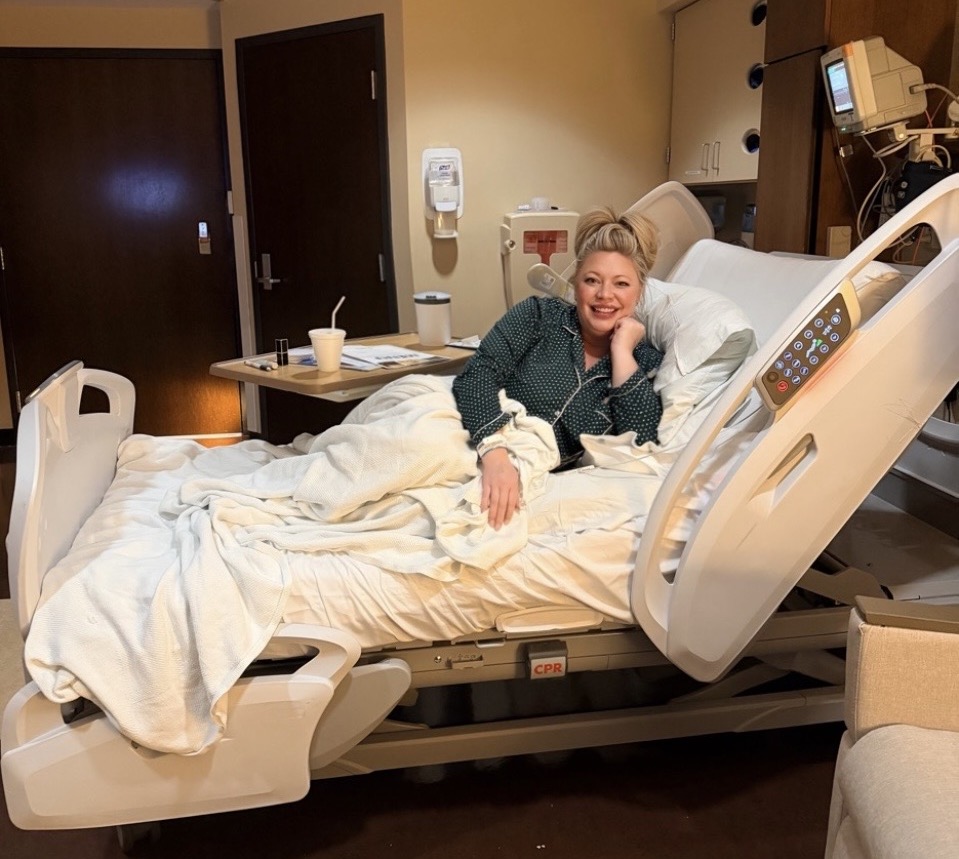
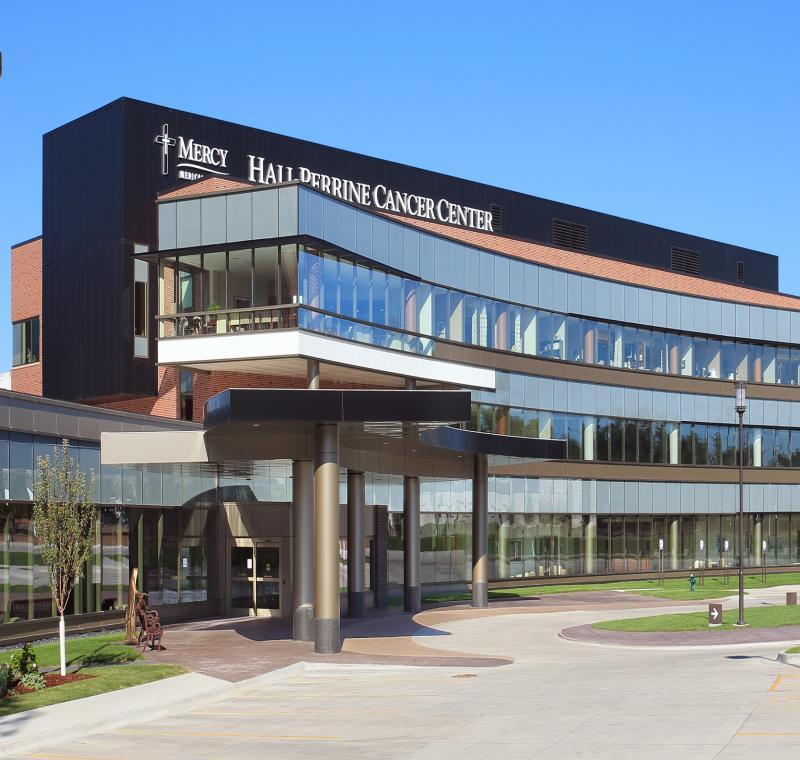
This past year, I’ve walked through my own valleys in ways I could never have anticipated. An abnormal mammogram led to surgery, which revealed breast cancer. By God’s miraculous hand, the tumor was removed completely, with clear margins and no spread although the tumor was dangerously close to my lymph nodes – a reminder of God’s perfect timing, protection, and faithfulness.
But the challenges didn’t end there. Amid cancer treatment, autoimmune flare-ups, and the toll on my body, I experienced alarming numbness on the left side of my face, suddenly losing strength in my left arm and leg. A trip to the ER revealed a nearly blocked right carotid artery, a tear likely caused by a fall I’d taken months prior, and a blood clot that could have caused a massive stroke.
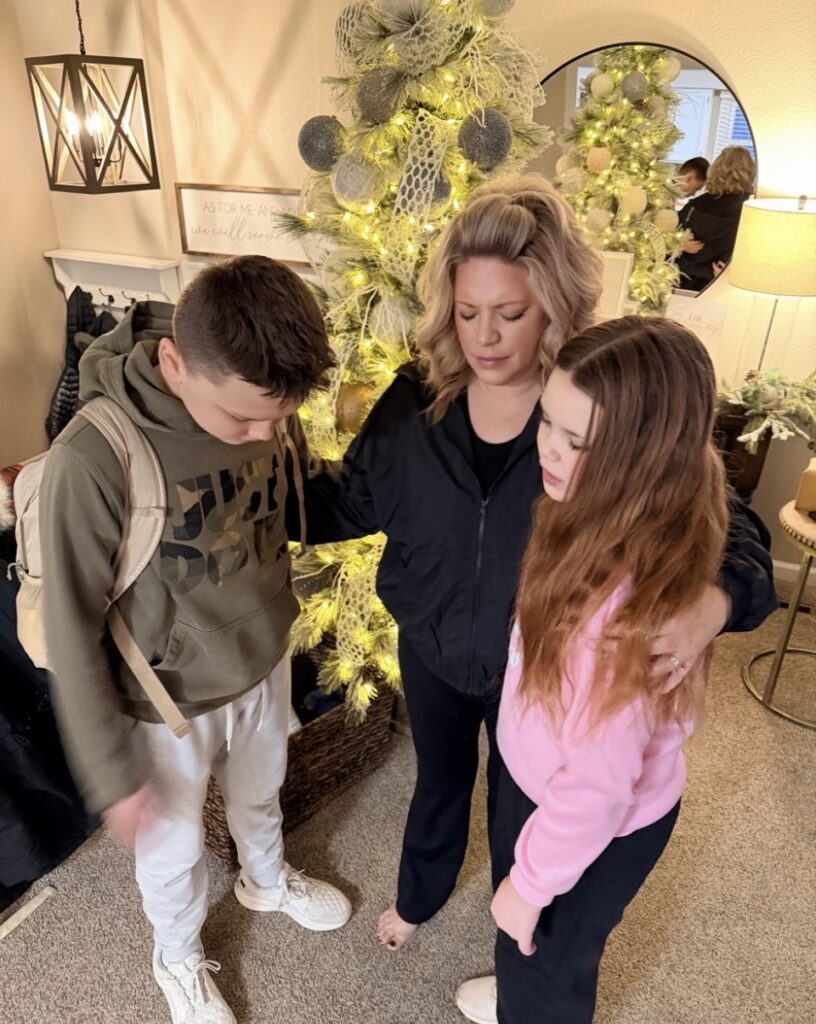
Yet in the middle of chaos as we prepared for worst case scenarios, God’s grace showed up. Within a day of their being detected, scans revealed that both the clot and tear were gone. Every doctor involved was astonished. I was walking, speaking, and moving with minimal effects – a miracle too clear to dismiss.
In these moments, I’ve learned that we don’t truly trust God’s grace until we first admit we are insufficient. It’s easier to believe in grace for the past or the future. But grace for this moment, right here, in the pressing reality of fear, pain, and uncertainty, requires a present-tense, radical faith.
God didn’t just supplement my strength; He became my strength. He reminded me that the thorn doesn’t defeat us; it becomes the doorway through which His glory steps in. My husband, family, friends, and the countless prayers lifted on my behalf became vessels of God’s love, reminding me that what looks like an ending is often where He does His best work.
… the thorn doesn’t defeat us; it becomes the doorway through which His glory steps in.
Through lingering numbness and nerve pain in my face (Trigeminal neuralgia), vision issues in my left eye, and the exhaustion of hospital stays and oncology appointments, God has been teaching me to release my grip on self-sufficiency. Every test, every scan, every unknown has been a lesson in dependence, a sacred invitation to rest fully in Him. He meets us in both the dramatic and the mundane.
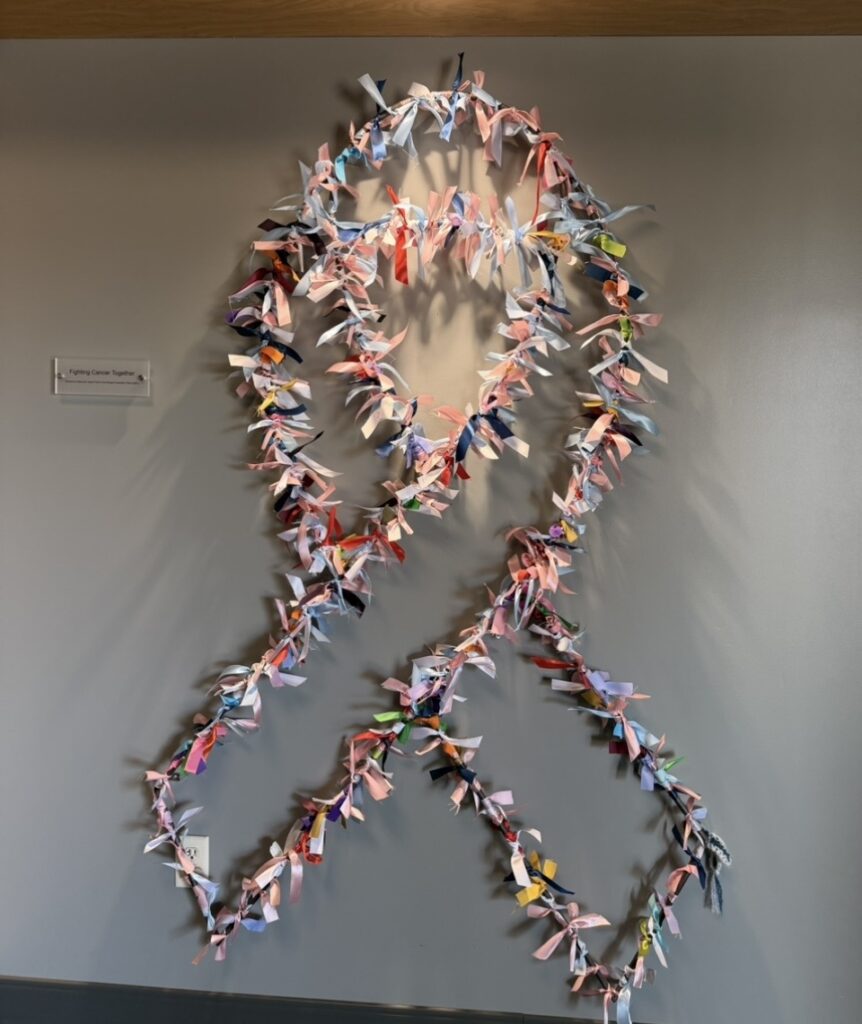
As we face uncertainty and continue to navigate treatments, recoveries, and the unknown, the same promise remains: His grace is sufficient. His power is made perfect in weakness. My valleys have become fertile soil, and in surrendering, I’ve discovered strength I never possessed alone.
To anyone reading this, let this be a challenge and an encouragement: don’t wait for the mountains to feel secure. Step into your valley. Admit your insufficiency. Rest in grace. Let God’s power carry you through the moments you cannot handle on your own. Because in the valleys, in the weakness, God is not just present – He is gloriously, powerfully enough.
About the Author

Sarah Holsapple serves on staff at her church in Cedar Rapids, Iowa, as the Creative & Spiritual Development Director. She serves alongside her husband of almost twenty years, Harris, who is the lead pastor at First Open Bible. Sarah has been teaching and preaching for several years. She’s passionate about discipleship and women’s ministry and served as the Regional Women’s Director for Open Bible Central Region. One of her favorite things in life is being a mom to her two incredible children, Hudson and Lynnley Jo.
The last several years for Sarah have been the hardest of her life. She truly knows the depths of heartbreak and what it feels like to wrestle through healing. She has seen God move in miraculous ways and has experienced great comfort in knowing that we serve a faithful God. Sarah feels great joy in sharing encouragement from the word of God, seeing lives changed and people set free!


My wife, Leona, was at an eye exam, and I was waiting in the lobby when a good-looking couple walked in. Thinking they were Hispanic, I greeted them in Spanish. With a look of surprise, they responded that they didn’t understand. Noticing their accent, I asked what language they spoke. “Arabic,” they replied. They were from Cairo, Egypt.
“I was just there!” I exclaimed. We introduced ourselves, and when they asked about my trip, I explained that I had gone to teach at INSTE Global Bible College. As we talked, we discovered common ground—Youssef and Fatima are both college professors, and Leona and I also work in higher education.
When the conversation turned to food, my Italian roots—revealed by my surname—caught their interest. I asked them what their favorite Italian dish was. “We love eggplant parmesan,” they answered.

“Would you come to our house for dinner if I made that?” I asked. They gladly accepted. When Leona’s appointment ended, we compared calendars and set a date to host Youssef, Fatima, and their four sons.
At home we talked about what to do with our dog Barney. Living in a townhome, we couldn’t put him outside. Knowing that Muslims traditionally view dogs as unclean, we decided to banish Barney to our finished basement during the visit.
Before dinner, we explained our custom of thanking God for our food. They understood, appreciating that we blessed them also in our prayer. Conversation flowed easily as we shared the meal. Afterward, the younger boys, full of energy, spotted the basement stairs. Leona explained about Barney, assuring Fatima that he was friendly. With her permission, the boys bounded downstairs to play with one very happy dog. The older boys preferred the TV room to watch football, while we lingered at the table with Youssef and Fatima, enjoying the chance to connect as fellow educators. Our first dinner together was a success.
As Fatima and Leona washed the dishes, the conversation was salted with quotes from the Koran and the Bible…
That Thanksgiving, we invited the family back to share in a traditional holiday meal. Barney had a sleepover at Leona’s sister’s house this time. We set the table for a 1:00 p.m. feast, but our guests were delayed returning from Wisconsin and arrived closer to 5:00. Once gathered, we enjoyed another rich time together.

Leona and Fatima washed dishes side by side, as Youssef and I chatted in the living room. All four boys bundled into the TV room to watch sports. Later, gathered by the fireplace, Youssef asked, “Does the Bible talk about the end of the world?” He was genuinely interested in comparing Christian and Muslim viewpoints on the end times. We had a very interesting conversation that evening! It was 11:00 p.m. when six-year-old Ahmed sleepily stumbled from the TV room, asking, “Can we go home now?” Shortly thereafter, we said good night to our guests with gratitude for another memorable evening.
Months later, Youssef and Fatima invited us to their home for the Muslim celebration of Eid, marking the close of Ramadan. Fatima had prepared the traditional feast of Egyptian dishes. We arrived in time to count down to sunset, and then the banquet began. As Fatima and Leona washed the dishes, the conversation was salted with quotes from the Koran and the Bible as Fatima explained Eid. The rest of the evening was filled with relaxing conversation, along with plans to get together for the Fourth of July.
Friendship and food opened doors for evangelism.
Our last gathering was at Christmas. Once again, we shared a meal, meaningful conversation, and plenty of laughter. Wanting to give them New Testaments in a respectful way, we sought guidance from friends experienced in ministry to Muslims. Following their advice, we wrapped the books beautifully, adding a heartfelt note expressing our joy in their friendship. We presented the gifts as they left that evening. Though we haven’t heard from them since, we often remember Youssef, Fatima, and their boys in prayer. Friendship and food opened doors for evangelism. We learned that sensitivity to cultural and religious differences keeps those doors open, and above all, we were reminded to live out 1 Peter 3:15: “Always be prepared to give an answer to everyone who asks you to give the reason for the hope that you have. But do this with gentleness and respect…” (NIV).
About the Authors

Leona K. Venditti, EdD, and Nicholas A Venditti, PhD, met in Madrid, Spain. In 1982, Leona was sent by Open Bible’s Department of Global Missions to start a training program which has since grown into INSTE Global Bible College. It has expanded to more than forty countries and eighteen languages. Together, the Vendittis continue to “make disciples and develop leaders” both nationally and globally as they mentor many cross-cultural followers of Jesus.