
No One Ever Told Me
No One Ever Told Me: I am God’s Plan A


By LeAnna McIntyre
I have always enjoyed the story of Esther from the Bible, an unexpected hero for her people. An orphan girl just living her life, Esther found herself appointed queen of a whole kingdom. She exposed an evil plot, and because of that her people were saved.
However, I did not relate much to this orphan girl in my younger years, and I don’t know how much I even tried. I am no queen. I simply was raised in a Christian home with parents who loved the Lord. I loved God and wanted to serve Him. I remember crying to my mom when I was young because we had heard a beautiful testimony of a woman whom God had rescued from drug addiction, and I didn’t know how my testimony could show God’s love that powerfully.
I tried to fly under the radar. I am a wife of twenty-eight years to a wonderful husband. For years I was a stay-at-home, homeschool mother to four boys. I volunteered at our church in youth ministry, worship, and kids’ ministries. I just loved people and loved God.
I attended Pacific Region’s Discover Ministry School simply because I wanted to serve better and know God in a deeper way. I had spent more of my life feeling insecure than confident. Pastoring was not something for which I was aiming. But when the opportunity came to lead our church, God gave me a passion for His Word and a love for the people in our community. I jumped in, afraid but wanting to do what God had for me. I am now surrounded by people who encourage me and support me, and God is doing great things at our church.
At first, many people quoted to me Mordecai’s words to Esther: “Who knows but that you have come to your royal position for such a time as this?” (Esther 4:14, NIV). And then someone told me that I had said “yes” when others said “no.”
The insecurity in my mind told me that somehow I became the pastor only because others said no, and without realizing it, I believed I was God’s “Plan “B,” a backup plan because “Plan A” didn’t work out. I didn’t know any other female lead pastors to look to, so I questioned every decision I made and yet tried to trust God to work out this backup plan toward His good.
Now He is showing me that I am His Plan A for the call He has on my life. It’s a crazy thought, but I am coming to know and walk in it. I have learned a few things happen when you understand that you are God’s Plan A.
First, you begin to look toward Him in a new way. If I am God’s plan A, that means He put me here. I am not an afterthought. Jeremiah 29:11 tells us that He knows the plans He has for us. His plans are not for our harm, but rather to give us a hope and a future.
Sometimes we read that verse and forget that the hope of that plan coming about comes from God as well. So, we must get close to Him, close enough to hear His heartbeat and recognize His voice. When things do not open up like we think they should, when they don’t come as fast as we would like, being close to Him keeps us from bitterness because we are not shaken by the things of this world. We are led by Him.
Second, our boxing gloves come off. When you understand you are God’s Plan A for the purposes He has for you, you do not have to fight for that position. God is the one who called you; people did not give you that call. If you are called by Him, He will open doors and close doors as He sees fit. I do not want to walk through any door that He did not open. We must be careful to guard our hearts and not let bitterness or frustration motivate us to kick doors down or throw a fit in the hallway as we wait on Him. Proverbs 4:23 says, “Above all else, guard your heart, for everything you do flows from it.” Everything flows from what is in our hearts. What kind of ministry or purpose will you walk out if you get frustrated and start punching down doors? One that is grown from a place of bitterness will not speak Jesus to the nations or even our neighbors. God’s timing is perfect, so we need to follow that timing to truly walk out the purposes He has for us.
Esther trusted God in the process. She was in the palace; she was queen; but she was just herself. You do not see her fighting anyone or forwarding her agenda. When she was told of the plot to kill her people, she fasted and prayed and instructed others to do so as well. She could have tried to kick down the door of the throne room, but without God’s favor and timing in that moment, she would have died. She was careful to be led by God. She was obedient to His voice even in the timing.
What I wish I would have known earlier is that we are all a little like Esther. We are all being raised up for “such a time as this.” God could have put us anywhere in the timeline of the earth, and He chose now. We are God’s Plan A for this place in time. We get to walk in obedience, get close to Him, and watch Him work out the good purposes He has for us. I cannot wait to see what He has in store next!
About the Author
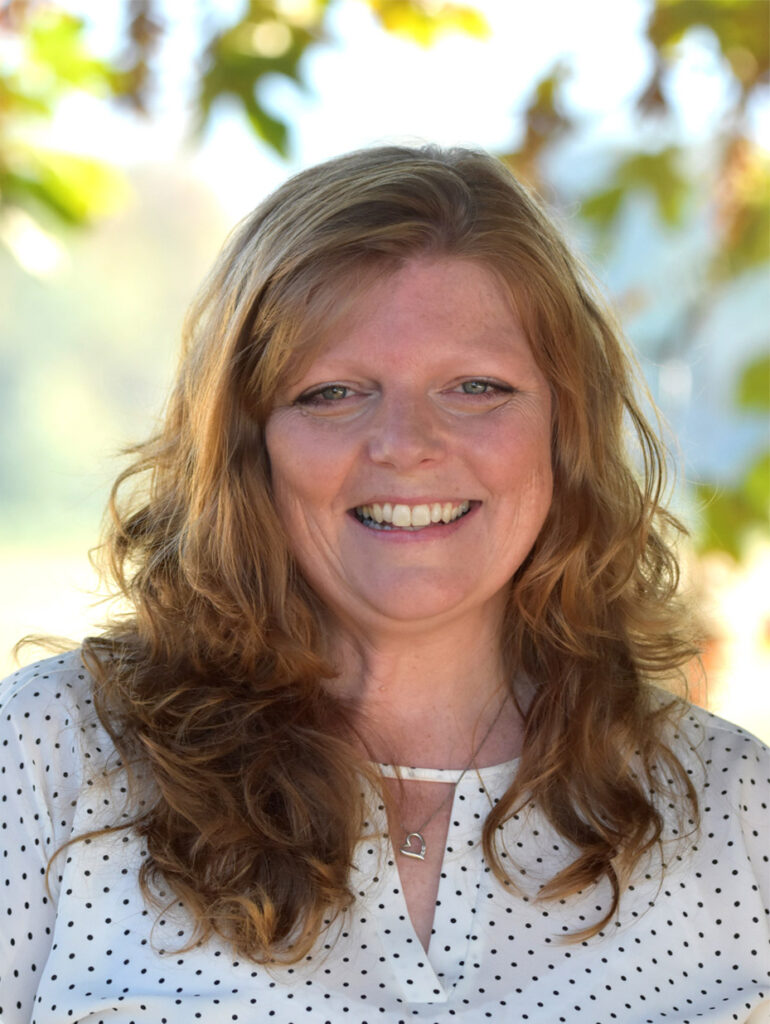
LeAnna McIntyre serves at The Bridge Open Bible Church in Eugene, Oregon, where she has been lead pastor for the past two and one-half years. She has been married to her husband, Scott, for twenty-eight years and is the mother of four boys. LeAnna is passionate about prayer and worship and loving people well.
To listen to LeAnna’s interview with President Randall Bach about her journey from fellow church member to lead pastor, go to Better Roads-LeAnna McIntyre







Grief has no sense of propriety or manners. It doesn’t knock, it doesn’t wait for a convenient moment or respect the walls you have carefully built around yourself. It simply barges in. Without warning, it breaks down the front door of your carefully erected emotions, delivering a gut punch before you realize what is happening.
In the last few years, I have known this kind of grief repeatedly: the loss of my mother, my father, my childhood home, my place in a church where I pastored for over three decades, close friendships that quietly faded or ended suddenly, and the particular ache of watching my kids step into a world that no longer includes our home as their center. Taken alone, each loss would be enough to undo a person. Taken together, they do not simply wound – they rearrange you.
Grief has a way of finding me at night. The house goes quiet; the day releases its grip, and that is when it comes. As I lie down to sleep, my mind begins to wander: down old paths and winding memories, through the rooms of a childhood home that no longer stands, reviewing bygone days when life felt full and certain and…joyful.
The well is real. The darkness is real. But so is the rope. And so are my hands.
The temptation in those moments is to linger there too long, letting nostalgia become a place of residence rather than a place of passing through. But I have learned that lingering too long in those corridors pulls me somewhere I did not intend to go – into caverns that echo and deepen, where the light from the entrance grows small and far away.
The image that best captures my grief is a well. Deep, dark, and cold. There are days when I feel myself swinging from a rope inside it, suspended between the world above and the darkness below. I could let go. The fall would be easy, even tempting in its finality. And if I am honest, I have let go before; I have fallen. I have felt the rope slip through my hands and the darkness rise to receive me, and finding my way back out was neither easy nor swift.
There were long seasons spent at the bottom of that well, searching for the rope in the dark, wondering if I still had the strength to climb, wondering – more than once – whether I would find my way out at all. I did, but I carry the memory of that bottom with me. It is part of why I hold on so carefully now.
The well is real. The darkness is real. But so is the rope. And so are my hands. And I have discovered that the well, as terrifying as it is, has given me something unexpected: a way to see my grief, and in seeing it, to hold some small measure of control over it. I do not have to fall. I can choose to descend. Slowly, deliberately, both hands wrapped around the rope. When grief comes, as it always does, I lower myself into it with intention. I stay for a moment. I let it be what it is. And then I climb back out. I decide when I go in; I decide when I return. That agency, small as it may seem, has been the difference.
… numbness should be a visitor, not a permanent resident. It is a bridge, not a home.
In the early months, I did not need this kind of discipline. Numbness arrived like a first responder. Merciful, efficient, doing what I could not do for myself. It carried me through the shock, the arrangements, the condolences, the strange and relentless busyness that trails in the wake of death like a shadow. But numbness should be a visitor, not a permanent resident. It is a bridge, not a home.
Now, on the other side of it, I am meeting the grief properly for the first time. Feeling its full weight, looking at it without the cushion of shock between us. Now I find myself truly reckoning with the absence of all I’ve lost, feeling its weight.
It is heavier than I expected. It is also more honest.
I am learning, too, to stop treating the past as the only place where joy lives. For a time, I moved through my days as though happiness was something that had already happened to me. Stored in rooms I could no longer enter, in voices I could no longer hear. But I am slowly beginning to believe something different: that life is still full, that the future is not a lesser thing, that joy is not behind me but ahead. There is the promise of it coming yet in the morning, in forms I cannot yet imagine.
I am learning, too, to stop treating the past as the only place where joy lives.
And through all of it, beneath all of it, I am learning the weight of a promise I have carried for years without fully understanding it: “Blessed are those who mourn, for they will be comforted” (Matt 5:4 NIV). It is no longer a verse, but a reality I am living inside of. The comfort is not loud or dramatic. It comes quietly, the way dawn comes, gradually and then all at once.
The faithfulness of God is real. And in the end, when the darkness of the well presses close and my arms are tired and the bottom feels nearer than the top…
…that faithfulness is the rope I am holding on to.
About the Author

Gary Khan was born in Trinidad and moved to the United States at age twenty to pursue his calling to ministry, primarily serving at Desert Streams Church in Santa Clarita, California. After more than thirty years in pastoral leadership, Gary now serves as Executive Director of Operations for Marketplace Chaplains, where he helps provide care and support to employees and their families in the workplace. Gary is the author of the devotionals Reset and Greater, as well as That Didn’t Turn Out the Way I Thought and his upcoming book, Father Stories. Gary and his wife, DeLaine, have three children and live in Southern California.


“You pastors are all the same,” the counselor said, opening the door so I could leave. “You wait too long to get help. Bart, you should have been here six months ago.” He smiled at me, shook my hand, and I left. My first counseling appointment for depression was finished, as were my failed efforts to fix myself by myself.
Too often it is assumed that pastors are immune to such mental ailments as depression or anxiety. It is thought that their connection with God should be sufficient to sustain them. If a pastor does, in fact, succumb to a mental ailment, it is evidence that their relationship with the Lord is deficient in some way. Personally, I have never subscribed to that train of thought – at least consciously. But subconsciously, it has felt true. Shouldn’t the solution to mental issues be found in prayer or at the altar or in fasting and meditating on scripture? After all, there are many awe-inspiring testimonies of people being delivered by God through all these things. Yet by early 2021, I had done all I knew how to do spiritually, and it still felt like the wheels were coming off of my life.
Too often it is assumed that pastors are immune to such mental ailments as depression or anxiety.
Looking back, it is clear why despair crept in when it did. The way in which I conducted ministry left me constantly depleted with no reserve for emergencies. When the pandemic hit, it took an intense and sustained effort for me to lead well through the controversies and challenges. The church recovered nicely. I didn’t.
My mentality became progressively darker. By the time 2021 arrived, all the exits from my downward spiral toward darkness seemed to be barred shut. It affected everything: my family, the church, even my physical health. My behavior was noticeably different – I was losing the ability to act like myself, let alone be myself. It seemed there was no way out, and my despair had become so strong that I was becoming worried my family and church would get caught in the inevitable implosion.
In prayer, I asked God to release me from ministry. The church needed an attentive and functional pastor, and I was no longer that person. But in prayer, God very clearly denied my request. This happened repeatedly. At the time I couldn’t understand why God felt so silent and distant when I asked Him to lift my darkness yet responded loud and clear when it came to my staying in ministry. Nonetheless, I knew I needed to have a discussion with my board of elders.
I have never dreaded a board meeting as much as I did that one. A “Personal Update” was at the bottom of the agenda. When we reached that part of the meeting, the room grew silent. I struggled for the words to open the conversation, and gradually they came. The elders listened without a word as their pastor – the one who should have it all together – told them of his mental struggles. I confessed that I was still declining and was at a loss as to what to do. My wife also shared some candid observations. I ended with the fact that I had prayed and prayed but felt I wasn’t supposed to resign.
… my despair had become so strong that I was becoming worried my family and church would get caught in the inevitable implosion.
One of the elders broke the silence: “I don’t think you are supposed to resign either. But you can’t go on like this.” One by one, the elders proceeded to ask careful questions and share helpful comments. They lovingly (but quite firmly) directed me to outside counseling. I remember one elder gently bringing up the fact that I have directed dozens of people to counseling over the years and that I should not resist when the same was being done for me. I agreed with her though I dreaded meeting with a counselor. The elders prayed for me and the meeting concluded. I reluctantly found a counselor familiar with clergy issues and made an appointment.
When the topic of pastoral depression comes up among church leaders, I try to share two points in case someone is struggling under the radar. First, outside counseling is invaluable. Pastors have many reasons (or excuses) for resisting it. I certainly did. But past a certain point, we cannot fix ourselves. It’s like asking a cardiologist to perform open heart surgery on themselves; it doesn’t work. The second point I try to make is that there should be a trusted church leader who regularly checks up on the pastor’s mental wellbeing. Pastors have a tendency to hide their own struggles.
It was in counseling that I began to realize that much of my depression was the result of my own choices. Overwork, a complete lack of ministerial boundaries, self-imposed social isolation, a sedentary lifestyle, and a propensity to worry had all contributed. Progress in changing these habits came slowly (and still does).
… past a certain point, we cannot fix ourselves.
Depression has a sinister way of being self-perpetuating. Every effort is harder than it otherwise should be, and I had been inactive for too long. The shock of needing counseling jumpstarted me into action. My efforts were feeble at first: I began to exercise, walking on a trail or treadmill for a mile. I made myself talk to people outside church, even when I didn’t really want to. I began to regulate my self-talk, limit caffeine, and take a proper sabbath. These were very imperfect efforts, and in many cases left me utterly exhausted. But they were the beginning of a journey toward healthy and godly routines – routines that began to push the depression away.
Many months after that pivotal board meeting, I woke up one morning to a strange sensation: I felt rested and full of energy. I was eager to get the day started. I practically jumped out of bed before I took time to recognize that something had changed. What was it? Then the thought hit me: This is what it feels like to look forward to the day. I had completely forgotten what that felt like. The realization hit like an emotional load of bricks, but in a good way. There really is a way out of the darkness!
About the Author
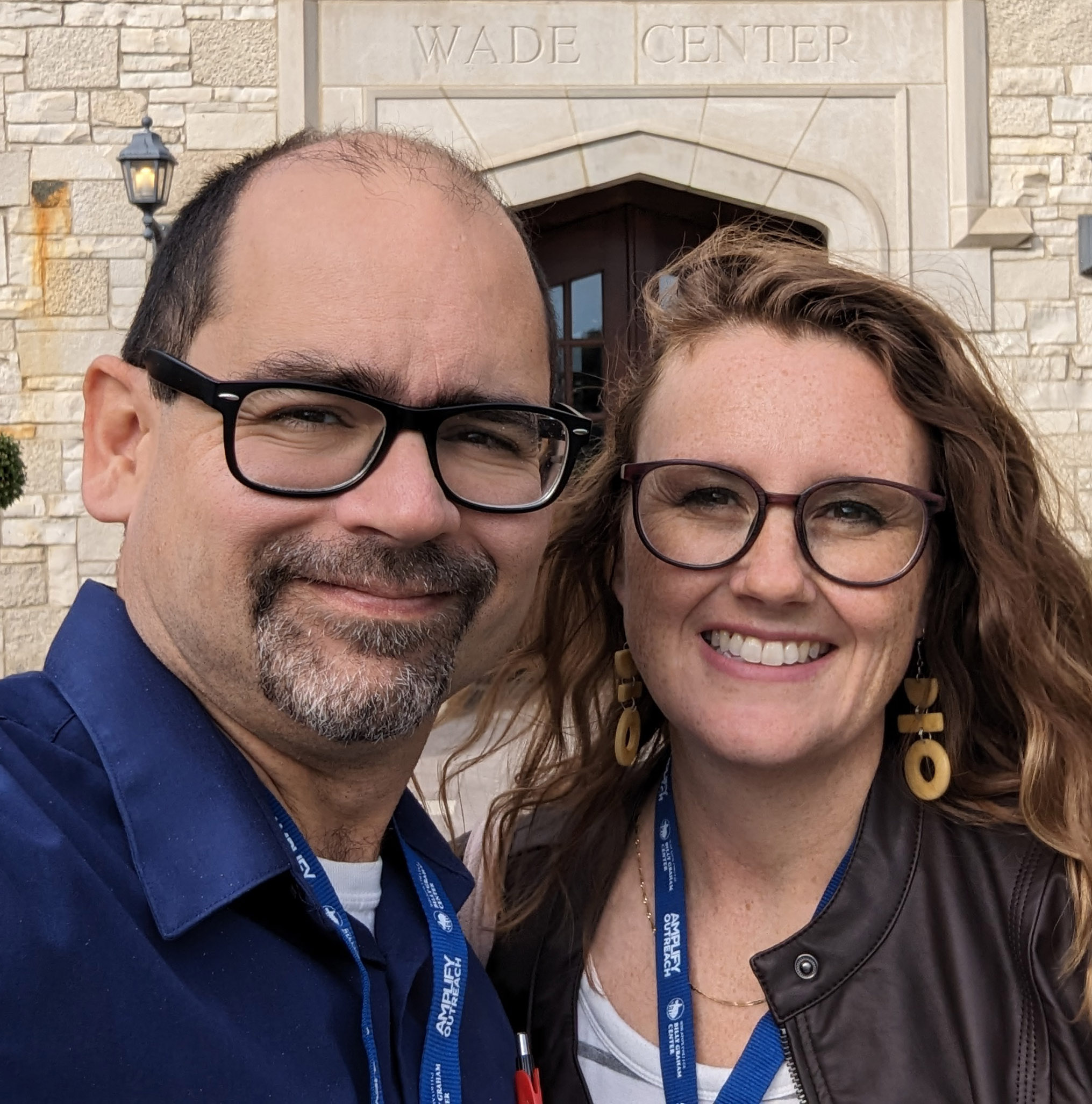
Bart Bentley
Bart Bentley was born and raised in Tujunga, California. After graduating from Eugene Bible College (now New Hope Christian College), he married Erin McElwee, and together they pastored students in Cedar Rapids, Iowa, for sixteen years. In 2013 he accepted a call to become the lead pastor at Journey Church Ministries in Loves Park, Illinois. Bart and Erin have three children; their eldest daughter is currently attending college in Dubuque, Iowa.


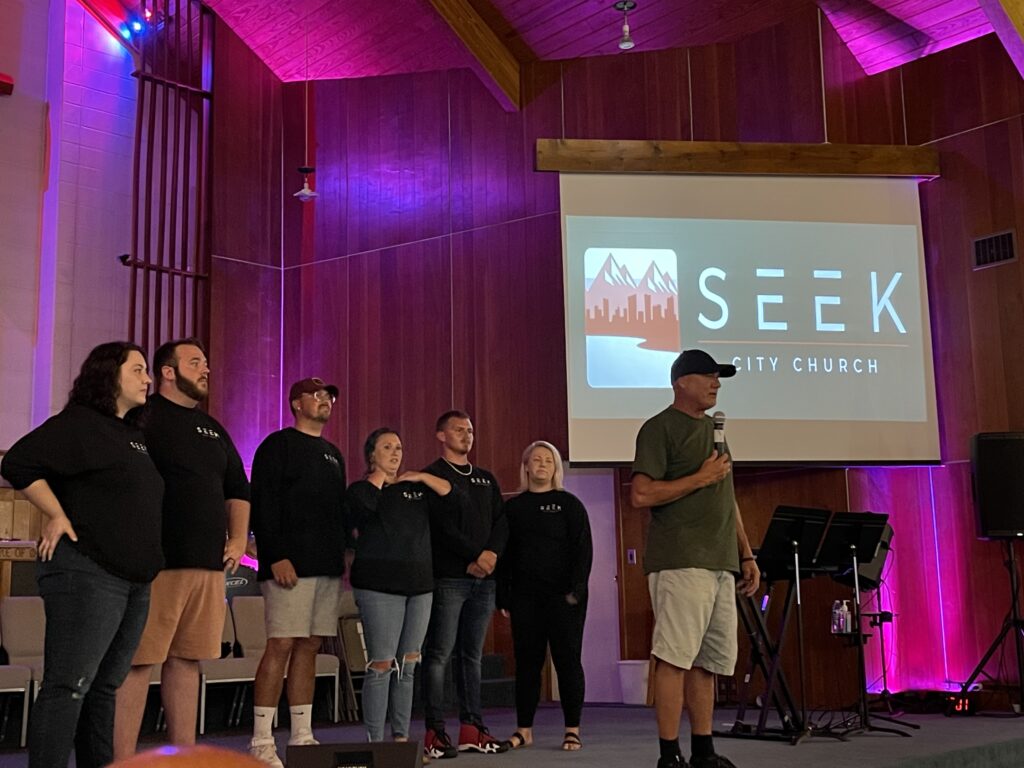
Church planting always starts with a “yes.” We say yes and step out in faith to build a church – His church. The words of my collegiate pastor echo in my mind: “There will come a time when you have the chance to write God a blank check for your life.” My husband and I had a chance to live out Jesus’ words in Luke 9:24: “For whoever wants to save their life will lose it, but whoever loses their life for me will save it” (NIV). We signed our blank check on life to follow Him by saying “yes” to joining our closest friends in a journey to plant Seek City Church in Burlington, Vermont.

Burlington is one of the most unchurched cities in the United States. There is a darkness over this city originating from many things: crime, drug addiction, homelessness, New Age spirituality, and deep-seated church hurt. Our team had a fresh vision and mountains of faith. We had leaders and coaches speaking life into us, encouraging us, and building us up to carry out this vision of salvation for the Northeast. We expected our church to be booming, that we’d start a movement that would spread like wildfire. Unfortunately, these expectations became my goal in our ministry – and everything else took a backseat.
I started feeling buried by the traditions and expectations of what a “successful” church plant looks like.
It starts with “yes,” but how does our “yes” fare when expectations are not met? When doors begin to close? When vision just isn’t enough? When strategy has run out? When we remain steadfast and the growth that everyone says will come…doesn’t? For us, planting began to feel like being buried. The soil was heavy with the lack of growth of our team, financial stress, distance from family and support, job loss, and a personal ongoing battle with infertility. These challenges made the already laborious journey of church planting seem nearly impossible. I started feeling buried by the traditions and expectations of what a “successful” church plant looks like.
I thought we needed the building, lights, signage, social media presence, and all other modern amenities, and I worked hard to obtain these things. But I was missing the one thing, besides Jesus, that we needed – the people! I was creating a place that looked and operated like all the churches I had seen, for people who wanted nothing to do with that kind of church. I was busy building a place for people to come, to fit neatly into this church box, when that wasn’t what the people in my city needed. That wasn’t who they needed us to be. That wasn’t who God needed us to be. In my well-meaning efforts, I didn’t let God lead me to reach people the way He wanted me to. The Lord began speaking the words from 1 Corinthians 3:7 into my heart: “So neither the one who plants nor the one who waters is anything, but only God, who makes things grow.” When we said yes to the church plant, all the Lord was asking was for us to be obedient in following Him to fulfill the Great Commission. He didn’t ask us to have a foolproof strategy or methodical plans. He asked us to walk with Him and watch Him give the growth, especially when the growth looked nothing like we had planned.
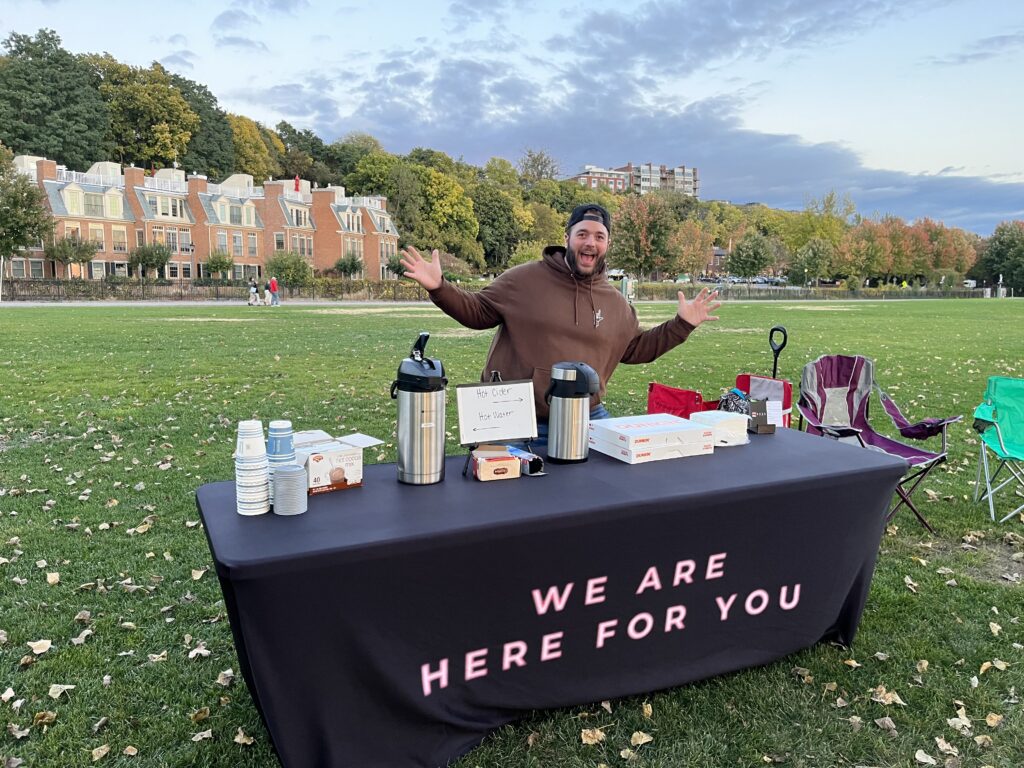
It is worth it to follow Him when our plan doesn’t work out, when the church has no new visitors for weeks or months on end. It is worth it to surrender our expectations, and everyone else’s, for what He wants for His church. Maybe all the work, stress, worry, and doubt is for the one He wants – one person, one life, one encounter, one moment. Isn’t the uncertainty of our plan and the perceived failure of our efforts worth the one? Maybe instead of rows of seats filled with eager hearts, it’s all just for one seat, one heart. Would that be enough? Would you still say yes?
Maybe all the work, stress, worry, and doubt is for the one He wants – one person, one life, one encounter, one moment
God, being gracious and merciful, led us out of our planting season. In His sovereignty, He plucked us up from our mission field, and is continuing to lead us through a season of transition. The Lord has taught me that following Him will look nothing like we expect, and I praise Him for it. Church, I’d challenge you with this: Do we dare rethink tradition in order to reach the unreachable? Are we forsaking the “one” for the image of a successful church? How is the Lord stirring the hearts of the church to think differently in order to look, love and lead differently? Psalm 77:13 says “Your way, O God, is holy”. I pray that we all would follow His way, and not our own.
About the Author

Erika VanArtsdalen
Erika VanArtsdalen is a follower of Jesus, wife to her husband Kelly, and church planter. She has been blessed with ministry opportunities around the country, such as leading youth and collegiate ministry in Ohio, serving a new church plant in North Carolina, and launching Seek City Church in Vermont. Erika enjoys serving children with disabilities in her community in her day job as a speech language pathologist. She also loves spending time with her family, baking, finding new coffee shops, and playing with her English bulldog, Myla. Erika and her husband recently relocated to Buffalo, New York, to begin another church planting journey!