
Featured Articles
Forever a New Creation: How God Led Me from Refugee Roots to a Life of Mission

The diaspora of the Tai Dam refugees in 1975 to Des Moines, Iowa, fueled a first generation of Tai Dam Americans adapting to new ways of life, blending language, culture, and embracing the numerous opportunities in the US. I was part of that first generation. Three years after my parents’ settlement in Iowa, I was born and became the first in my family to acquire an American education and step into a church. We were blessed to have Christian sponsors who helped us transition from our homeland to America.
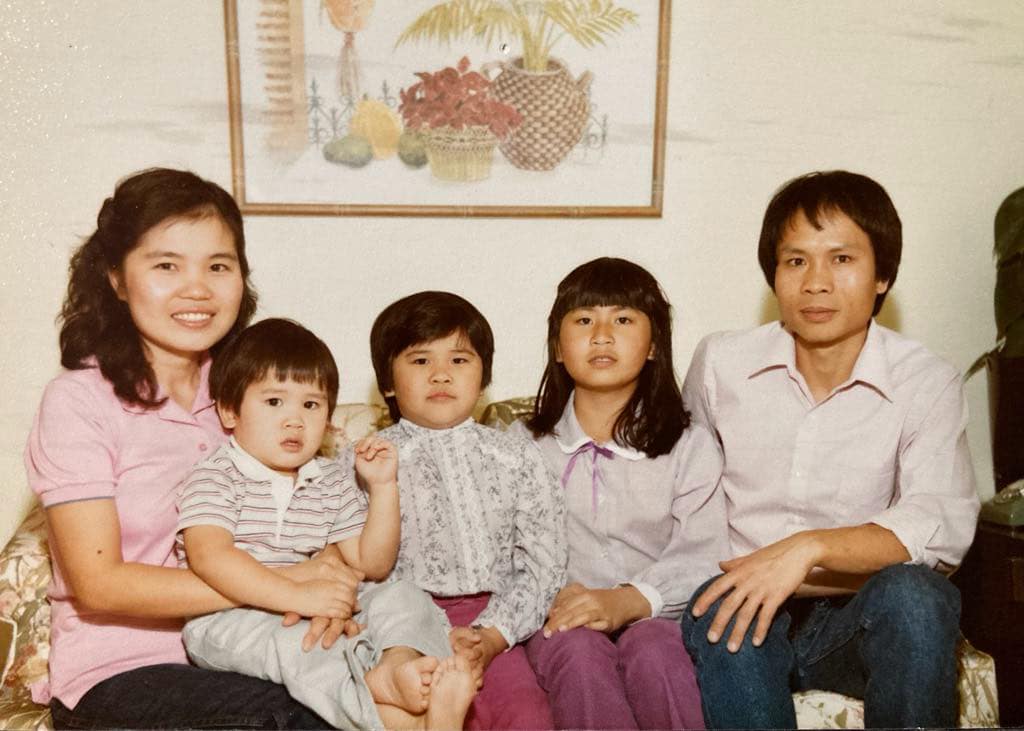
Every Sunday, our sponsors would take me, my sister, and several of my cousins to church service at the First Church of the Open Bible. Naomi Young was one of the many people who was significant in my life; she gave me my first Bible. Through the faithfulness of Naomi and others at the church, seeds of faith were planted as I was told about a man named Jesus who died on the cross for me. I was curious, but I did not understand and did not accept Him into my life at that time. Attending church was short-lived, coming to a halt when I was eight years old. The seed that was planted in me could not grow because it was never nourished with Truth at home. My parents and grandmother believed and practiced animism and ancestral worship, which is the veneration and honoring of the dead. Confusion infiltrated my mind, and my desire to attend church ceased. While I abandoned everything that was taught to me in Sunday school, I always kept my Bible in a special place underneath my pillow because something in my heart could not throw it away.
The seed that was planted in me could not grow because it was never nourished with Truth at home.
When I was twenty-two years old, my cousin took me to a Buddhist temple to have my fortune read. There, sitting in front of me, were three monks. One monk opened his notebook, wrote in it, then read to me my childhood, present life, and future life story up to the time I would turn thirty years old. He then shut his notebook and told me, “I am done.” When I asked him, “Why?” he told me only, “I cannot read you anymore.” That same week I went to a card reader and had my fortune read. Again, he read my childhood, present life, and up to the age I would be thirty, then stopped. I told him, “You are the second person that could not read me past thirty; tell me – do I die?” He quickly gathered his cards, saying only, “I cannot tell you.”
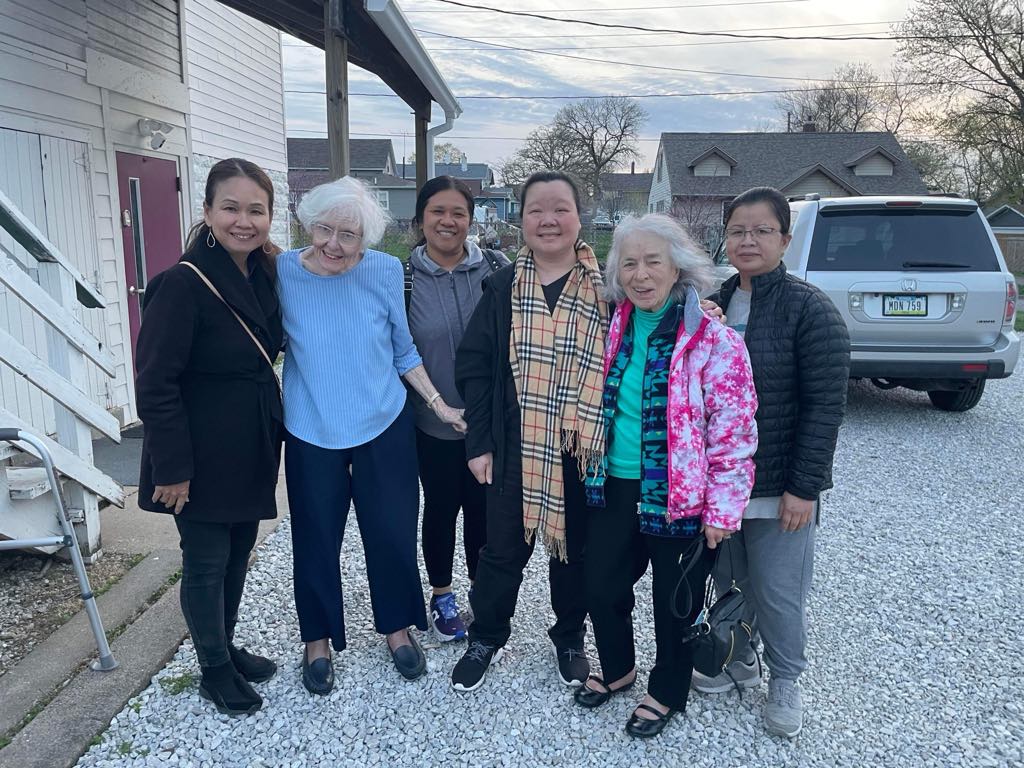
Throughout my adult life in my twenties, I was in an unhealthy, abusive relationship, which led to an alcohol addiction. When I was twenty-six, I became pregnant and had my daughter, Kaylee, on January 31, 2005. God was already working in my life, and I did not know it; He was molding me and reminding me of who He was through the darkest moments of my life. Around that time, I came upon a childhood friend who worked as a cashier at Hy-Vee; she would tell me, “Soukham, God is so good.” Though I resisted, the words she spoke over me resonated in my heart. Not long after, I found myself attending her funeral. Worship and praise were included in the Christian service. I was confused, but a part of me had the desire to know more about the God they said was so good and how through Him there would be no more pain and suffering. When I left the funeral, the Lord continued to reveal Himself to me through divine encounters. In July of 2008, I took a position at Nationwide Insurance where I reconnected with an old high school friend. She invited me to a Thanksgiving potluck at her church, and my walk with the Lord began soon after.
From the Tai Dam little girl who was born in America and met Jesus in an Iowan church, to the woman who is now taking the hope of Christ back to Southeast Asia, His hand has been in every chapter of my story.
I was thirty years old when I accepted Jesus Christ as my Lord and Savior. The verse that will remain with me forever is 2 Corinthians 5:17: “Therefore, if anyone is in Christ, the new creation has come: The old has gone, the new is here!” (NIV).
Now I understand why the monk and card reader could not read my life past the age of thirty. At that age, I became a new creation because of Jesus Christ, and the enemy no longer had a hold on me! Jesus continued to bless me and my daughter. Amid my pain and struggles, God brought a man into my life, my husband Othone (Pong), who became a father to Kaylee. We got married on September 15, 2010. Together the Lord blessed us with two more children, Isaac and Silas. In 2017, the Lord called us to serve in Iowa at Kingdom Life Church (now Kingdom City Church).
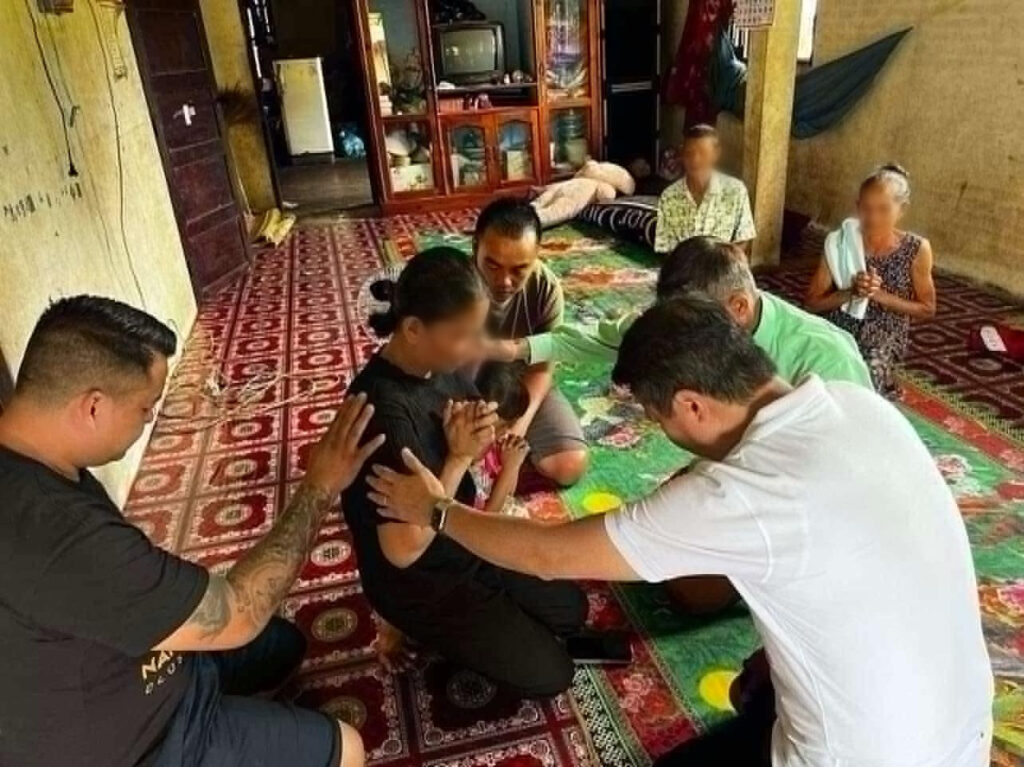
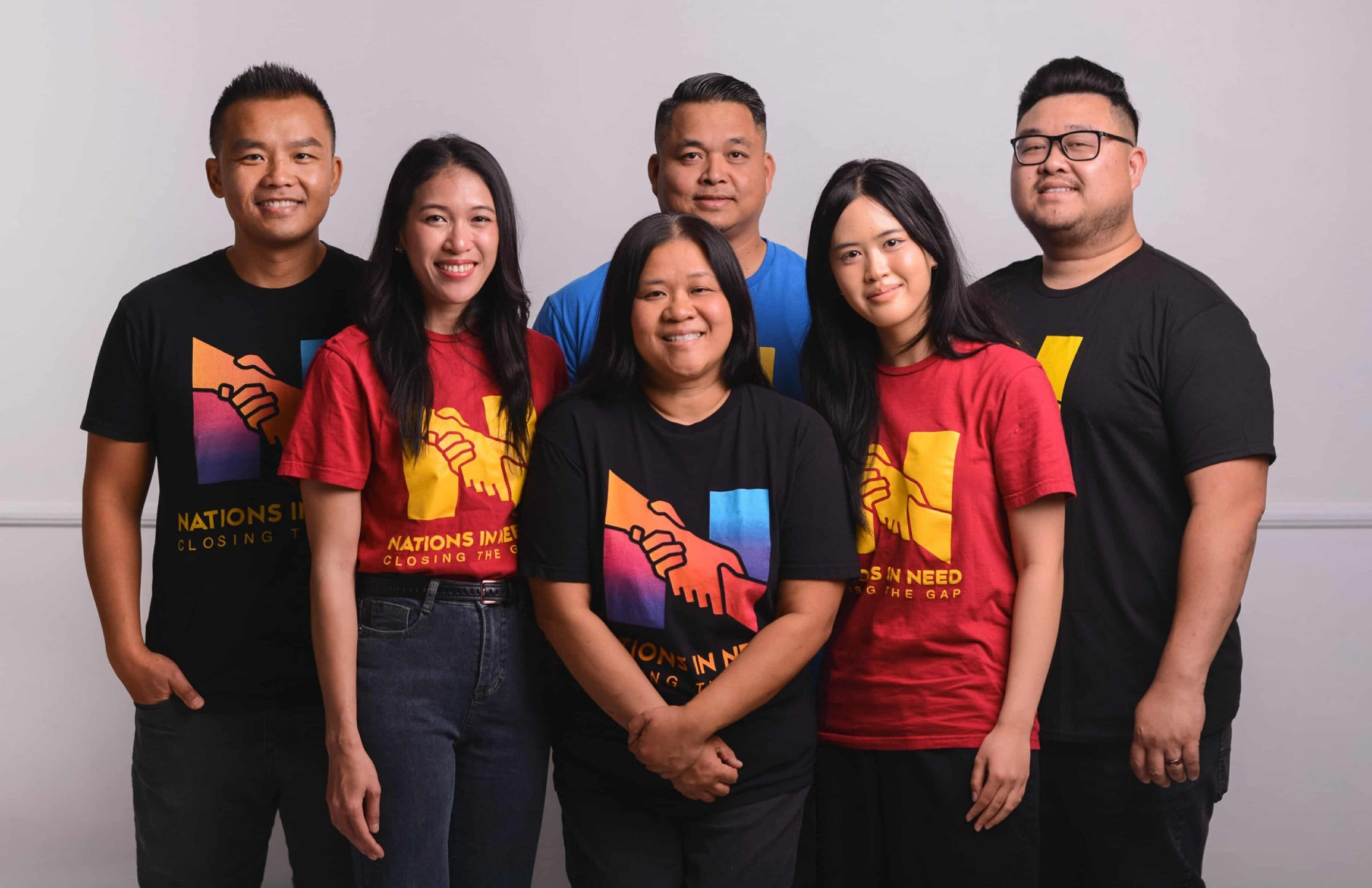
In November 2021, the Lord instilled in Pong’s heart a dream to build a charitable foundation to address needs in the vulnerable communities of Southeast Asia. The foundation would have a Christ-centered vision: to make and equip future disciples, providing them with sustainable resources and empowering them to advance beyond their current situation. Through continuous prayer and the Lord’s guidance, the foundation was born in April 2023 and officially named Nations in Need (NIN). Recently in 2023 and 2024, the Lord took Pong, Kaylee, and three of our brothers, Ap, Peng, and Bay, on trips to Southeast Asia where they built relationships, served the communities, ministered to the people, and spread the good news about Jesus Christ. Today, NIN has branched into multiple communities in Southeast Asia. Through the work of a future center in Southeast Asia, we will expand NIN’s mission and go wherever the Lord leads.
Throughout my whole life God has carried me, even when I didn’t know it. From the Tai Dam little girl who was born in America and met Jesus in an Iowan church, to the woman who is now taking the hope of Christ back to Southeast Asia, His hand has been in every chapter of my story. Whether the next chapter is in America, Southeast Asia, or somewhere else, I will follow Christ, forever His new creation.
About the Author
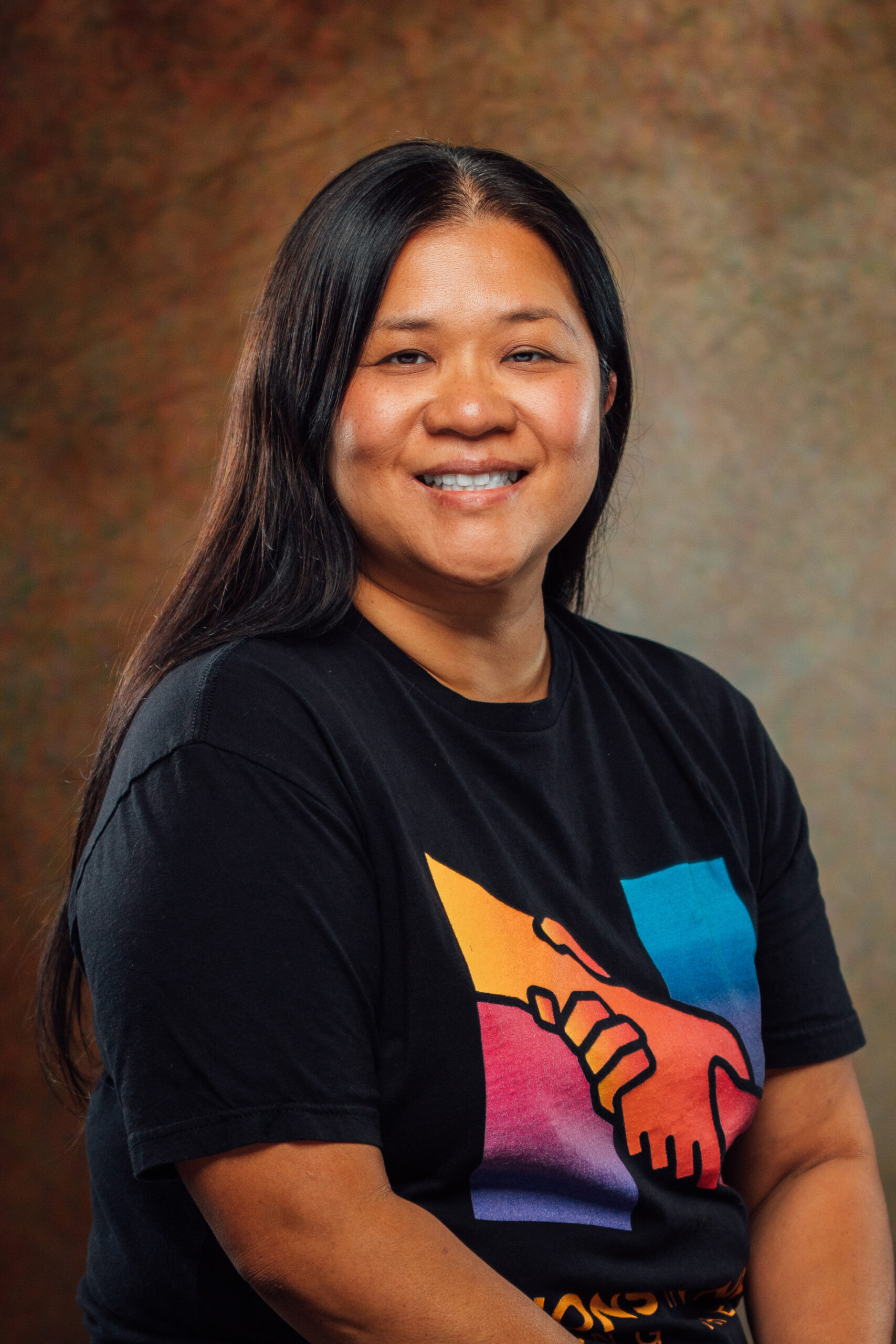
Soukham Khanthavixay
Soukham Khanthavixay and her husband, Pong, are active members of Kingdom City Church in Des Moines, Iowa. They reside in Pleasant Hill, Iowa, with their three children and two dogs. Soukham is a registered nurse at a local county hospital and also works for Nations in Need (NIN), the ministry her husband founded. Her family and ministry team work together to expand the mission of NIN and spread the gospel. To learn more about Nations in Need, follow them on Facebook or Instagram: @nationsinneed.






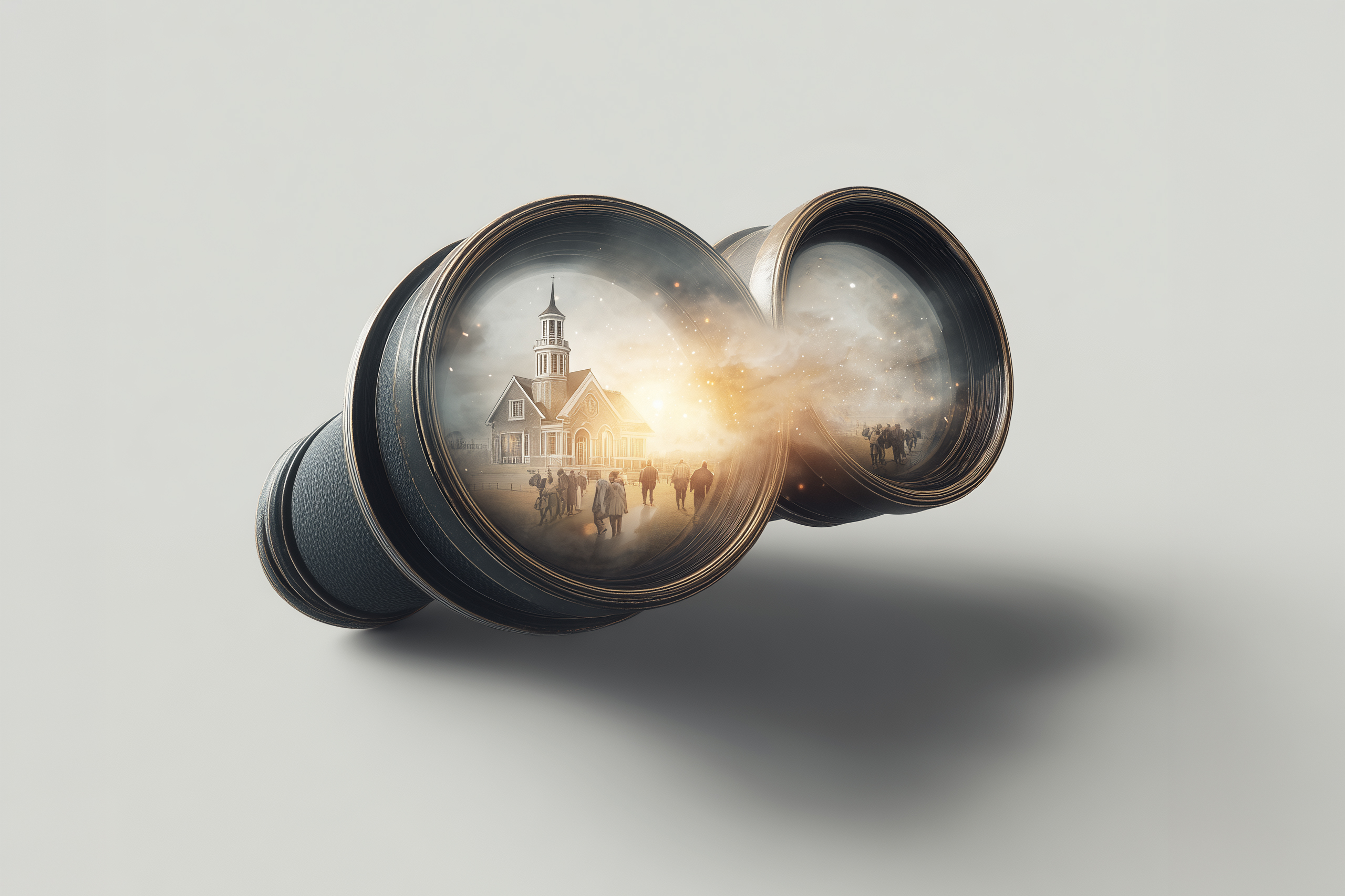
There has been much discussion about the future of the Church. While I’m not a futurist or researcher, I’m grateful for voices that help us think wisely about pursuing the mission of the Church in an ever-changing culture. Researchers like Ed Stetzer and Carey Nieuwhof highlight some encouraging trends, such as revivals on college campuses, rising Bible sales, and Gen Z’s hunger for authentic faith.
I carry deep conviction and a faith-filled anticipation about what I see and am praying for. When I think about the Church and the days ahead, I don’t see a Church in retreat, but I do see a Church being refined – prepared for what God is getting ready to do. A victorious and glorious Church (Eph. 5:27).
When I think about the Church and the days ahead, I don’t see a Church in retreat, but I do see a Church being refined.
Jesus said, “I will build my church, and the gates of hell shall not prevail against it” (Matt. 16:18 ESV). That promise has no expiration date. Jesus is still building His Church today.
As the church advances, it will not stand on programs, buildings, or production. . . it will be built on the authority of Christ and the power of the Holy Spirit.
Across the body of Christ, there is a growing recognition that the future of the Church will not be built by addition alone, but by multiplication. Disciples will make disciples, leaders will develop and release leaders, and churches will plant churches. There are many voices helping to bring clarity to this, and we are seeing that same conviction take shape within Open Bible through our Mission to Multiply and the Power of We.
So, when I think about the Church and what is ahead of us, what do I see?
I SEE A MULTIPLYING CHURCH
We often measure success by attendance, budgets, and programs. While salvations and baptisms remain central, we must expand the scorecard. As Larry Walkemeyer describes in The River Church, we must move from “lake churches” that gather to “river churches” that send – becoming disciple makers who multiply.
The book of Acts shows us a model of a church that did not just meet but multiplied. The future will not belong to churches that simply gather a crowd, but it will belong to churches that make and send disciple makers. Jesus did not commission us to build an audience. He commanded us to go and make disciples (Matt. 28:19). Multiplication begins there – in intentional, relational, Spirit-led disciple making.
Multiplication is not just a strategy or a motto we adopt. It is the culture of Spirit-empowered, disciple-making churches. The Church I see measures health not only by attendance, but by how many are discipled, equipped, and sent to reproduce what’s been invested in them. This is our Mission to Multiply.
I SEE A SPIRIT-EMPOWERED CHURCH
We live in a time of rapid change. Technology, AI, and social media shape how we communicate and connect. These tools can be helpful, but they don’t transform lives. The Holy Spirit does.
These tools can be helpful, but they don’t transform lives. The Holy Spirit does.
Pentecost was Heaven’s defining moment for the birth of the Church and the fulfillment of what Jesus said in Acts 1:8. The early followers of Jesus did not have the influence, resources, or tools we have today. What they had was the power of God. That has not changed!
In the days ahead, more than ever, the Church will move forward not through innovation alone but through consecration. The church I see is unapologetically dependent on the Spirit of God.
I SEE A COURAGEOUS CHURCH
In the book of Acts, every step forward required courage – Peter and John before the Sanhedrin, Stephen in the face of death, Peter going to Cornelius’s home, the sending out of Paul and Barnabas. These were not small steps; they were courageous steps across cultural and spiritual boundaries. The early Church moved from gathering to going, from addition to multiplication. The expansion of the early Church was not accidental. It followed obedience and courage.
The Church I see will walk in that same Spirit.
Courage to preach the truth in love.
Courage to plant in hard places.
Courage to raise and release the next generation.
Courage to choose multiplication over comfort.
Courage to link arms with others for the sake of the greater mission.
Courage to build the Kingdom over our own castles.
We can stand on His promise and by His Spirit knowing “God has not given us a spirit of fear but of power and of love and of a sound mind” (2 Tim. 1:7 NKJV).
I SEE THE POWER OF WE
As we look forward, one of the strongest convictions I carry is this: our future will be stronger through the Power of We.
Individualism limits impact; partnership multiplies it. When we share vision, develop leaders, and align around mission, we step into something far greater than any one church could accomplish alone. I believe the future Church will not thrive through isolation but will flourish through collaboration. The church I see understands that “we” is stronger than “me.”
When we share vision, develop leaders, and align around mission, we step into something far greater than any one church could accomplish alone.
I am confident in what God has called us to:
The church that makes disciple makers will multiply.
The church that depends on the Holy Spirit will endure.
The church that walks in courage will advance. This is the church I see, and I believe we are being invited to build it together.
About the Author
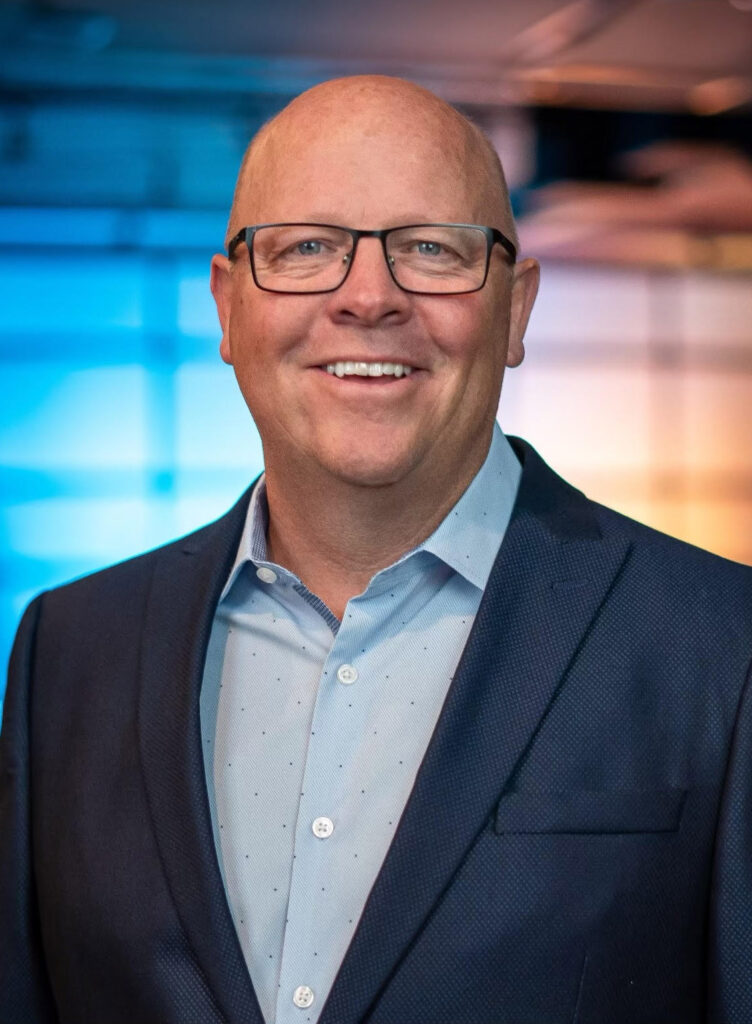
Michael Nortune serves as president of Open Bible Churches. He has ministered in the local church faithfully for thirty-five years. From his start as a janitor and groundskeeper to church planter and lead pastor of Life Church in Concord, California, Michael has had the opportunity to gain experience in every capacity within the church throughout his ministry. Not only does he have hands-on experience on the local level, but Michael has also led at the district, regional, and national levels within Open Bible Churches. Michael and his wife, Julie, currently reside in Colorado and love living near five of their six children and their spouses. They also treasure the time they spend with their other daughter who lives in Alabama with their first (but not the last) grandson!


Isaac dug out again the wells that were dug during the lifetime of his father Abraham. The Philistines had closed them up after Abraham’s death. Isaac gave them the same names his father had given them. Isaac’s servants dug wells in the valley and found a well there with fresh water. (Genesis 26:18-19 CEB).
I came to faith as a teenager and had very few church experiences up to that point. My earliest formation as a Christ follower took place within Open Bible church settings, where I found deep community and meaningful spiritual experiences that I continue to value. At the same time, as in many modern evangelical churches, there was limited exposure to the ancient liturgies and historic practices of the wider Church.

These traditional cornerstones that were foundational to ecclesial life for millennia had been almost eliminated in the churches I attended. It seemed to me that these practices were at best met with ignorance and at worst with grave suspicion. The predictable result was that any real understanding and appreciation for ancient liturgical practices was absent from the first two decades of my church life. I rarely thought about things like Ash Wednesday services, the Book of Common Prayer, and Advent, and if I did, it was with a healthy side dish of uninformed judgment. I viewed Lent the same way I viewed lentils: it was a cold and exotic experience that was both frightening to prepare and painful to consume.
I viewed Lent the same way I viewed lentils: it was a cold and exotic experience that was both frightening to prepare and painful to consume.
This was my context as a few of our church staff began asking whether we could introduce some of these ancient practices into our church worship experience. As you might imagine given my church background, it took me a while to warm up to the idea. I began a process of asking questions, listening, and learning, even reaching out to an Anglican priest friend to hear his take on the value of these long-held traditions. Through all this, Christ in His goodness and patience has allowed us now to incorporate many of these practices into our regular church experience. As a result, I am happy to report that we are experiencing wonderful depth and meaning in our gatherings as we’ve adopted and applied some of these long-proven elements of discipleship.

Our time of worship now always includes the public reading of a Psalm (a practice we have adopted from the Book of Common Prayer) to bring us back to the ancient hymn book of Israel. We have a fresh understanding of what it is to give up something physical in order to gain something spiritual as we fast in the forty days of Lent. Christmas time and the lighting of Advent candles help us celebrate Christ’s first arrival while reminding us to await His second arrival. And Ash Wednesday, with its outward sign of repentance and mortality, leads us to humble ourselves before God, understanding how desperately we need His saving grace. Finally, the celebration of life on Easter Sunday has far greater meaning now because it is preceded by the sobriety of the death we remember on Good Friday.
This is not to say that incorporating these elements has always been smooth. We’ve learned to introduce them slowly and with great attention to the “why” behind the “what.” Along the way, we’ve had our share of growth opportunities and mishaps. One example happened early on in our journey, when we tried to introduce some ancient call and response types of prayers. The practice led several people to worry that we had become a completely different kind of church. We haven’t yet reintroduced those prayers in our services.
We have found that moving slowly and consistently, explaining the meaning of the practices, and laughing at ourselves through our failed attempts have been the key ingredients to discovering the power of these ancient gifts.
Another example took place during last year’s Ash Wednesday service. During this type of service, ash is used to mark the sign of a cross on each believer’s forehead. This marking symbolizes our own mortality and repentance, as we take up our cross and turn from our sins. Well, our beloved worship leader wanted to add scent to the ashes to create a fuller sensory experience. To do so, he incorporated essential oils, including cinnamon, into the ashes. Little did any of us know that undiluted cinnamon oil burns on the skin. Talk about your full sensory experience. All of us in the service sat wondering what it reveals about our spiritual condition if the ash cross on our forehead feels like it’s on fire. There was a great sigh of relief when our executive pastor let people know what had happened, and a mad dash to the bathrooms ensued as people quickly washed away the painful marker. The next Sunday I formally apologized for turning their Ash Wednesday into a Rash Wednesday.
In these moments and more, we have found that moving slowly and consistently, explaining the meaning of the practices, and laughing at ourselves through our failed attempts have been the key ingredients to discovering the power of these ancient gifts. Just as Isaac reopened the ancient wells of his father to discover pure water, we too can rediscover the meaning of these ancient practices in our churches and experience their fresh water again.
About the Author

Aaron Sutherland is the founding pastor of Cove Church in Eugene, Oregon, and the Director of Multiplication for Pacific Region Open Bible. Along with his wife, Paula, he finds great joy in watching God reveal the new stories being written into the lives of people from every corner of the world.
Y volvió a abrir Isaac los pozos de agua que habían abierto en los días de Abraham su padre, y que los filisteos habían cegado después de la muerte de Abraham; y los llamó por los nombres que su padre los había llamado. Pero cuando los siervos de Isaac cavaron en el valle, y hallaron allí un pozo de aguas vivas. (Génesis 26:18-19, RVR-1960).
Me convertí al cristianismo en la adolescencia y, hasta ese momento, había tenido muy pocas experiencias en la iglesia. Mi formación inicial como seguidor de Cristo tuvo lugar en la iglesia de la Biblia Abierta, donde encontré una comunidad profunda y experiencias espirituales significativas que sigo valorando. Al mismo tiempo, como en muchas iglesias evangélicas modernas, el contacto con las antiguas liturgias y prácticas de la Iglesia en general era limitado.
Estos pilares tradicionales, que durante milenios habían sido fundamentales para la vida de la Iglesia, habían sido prácticamente eliminados de las iglesias a las que asistía. Me parecía que, en el mejor de los casos, estas prácticas se ignoraban y, en el peor, se miraban con gran recelo. El resultado previsible fue que, durante las dos primeras décadas de mi vida eclesiástica, no llegué a conocer ni a apreciar realmente estas antiguas prácticas litúrgicas. Rara vez pensaba en cosas como los servicios del Miércoles de Ceniza, el Libro de Oración Común y el Adviento, y, si lo hacía, era con una buena dosis de prejuicios. Veía la Cuaresma de la misma manera que veía las lentejas: una experiencia fría y exótica que daba miedo preparar y era dolorosa de consumir.
Veía la Cuaresma de la misma manera que veía las lentejas: una experiencia fría y exótica que daba miedo preparar y era dolorosa de consumir.
Este era mi contexto cuando algunos miembros del personal de nuestra iglesia comenzaron a preguntar si podríamos incorporar algunas de estas prácticas antiguas en nuestra experiencia de adoración en la iglesia. Como se pueden imaginar, dada mi formación eclesiástica, me llevó un tiempo aceptar la idea. Empecé a hacer preguntas, a escuchar y a aprender. Incluso me puse en contacto con un amigo sacerdote anglicano para conocer su opinión sobre el valor de estas tradiciones tan arraigadas. A través de todo esto, Cristo, en su bondad y paciencia, nos ha permitido ahora incorporar muchas de estas prácticas en nuestra experiencia eclesiástica habitual. Me complace informar de que nuestras reuniones tienen ahora una profundidad y un significado maravillosos en nuestras reuniones, ya que hemos adoptado y aplicado algunos de estos elementos del discipulado que han demostrado su eficacia con el paso del tiempo.
Ahora, nuestro tiempo de adoración siempre incluye la lectura pública de un salmo (una práctica que hemos adoptado del Libro de Oración Común) que nos transporta al antiguo himnario de Israel. Tenemos una nueva comprensión de lo que significa renunciar a algo material o para ganar algo espiritual mientras ayunamos durante los cuarenta días de Cuaresma. La época navideña y la ceremonia de encender las velas de Adviento nos ayudan a celebrar la primera Venida de Cristo, y a recordar que debemos esperar su segunda venida. Y el Miércoles de Ceniza, con su signo externo de arrepentimiento y mortalidad, nos invita a humillarnos ante Dios, y a reconocer cuán desesperadamente necesitamos su gracia salvadora. Por último, la celebración de la vida el Domingo de Pascua tiene ahora un significado mucho mayor, ya que va precedida de la sobriedad de la muerte que recordamos el Viernes Santo.
Esto no quiere decir que la incorporación de estos elementos siempre haya sido fácil. Hemos aprendido a introducirlos poco a poco, prestando mucha atención al «porqué» detrás del «qué». A lo largo del camino, hemos tenido nuestras oportunidades de crecimiento y nuestros contratiempos. Un ejemplo ocurrió al principio de nuestro camino, cuando intentamos introducir algunas oraciones antiguas de llamada y respuesta. La práctica llevó a varias personas a preocuparse de que nos hubiéramos convertido en un tipo de iglesia completamente diferente. Todavía no hemos reintroducido esas oraciones en nuestros servicios.
Hemos descubierto que movernos lenta y consistentemente, explicar el significado de las prácticas y reírnos de nosotros mismos a través de nuestros intentos fallidos han sido los ingredientes clave para descubrir el poder de estos antiguos dones.
Otro ejemplo ocurrió durante el servicio del Miércoles de Ceniza del año pasado. En este tipo de servicio, se utiliza ceniza para trazar una cruz en la frente de cada creyente. Esta marca simboliza nuestra propia mortalidad y arrepentimiento, y representa el momento en que tomamos nuestra cruz y nos apartamos de nuestros pecados. Bueno, nuestro querido líder de adoración quiso añadir aroma a las cenizas para crear una experiencia sensorial más completa. Para ello, añadió aceites esenciales, entre ellos canela, a las cenizas. Ninguno de nosotros sabía que el aceite de canela sin diluir quema la piel. Hablando de una experiencia sensorial completa… Todos los que estábamos en el servicio nos sentamos preguntándonos qué revelaba acerca de nuestra condición espiritual el hecho de que la cruz de ceniza de nuestra frente pareciera estar ardiendo. Hubo un gran suspiro de alivio cuando nuestro pastor ejecutivo informó a la gente de lo que había sucedido, y se produjo una carrera loca hacia los baños para lavarse rápidamente la dolorosa marca. Al domingo siguiente me disculpé formalmente por haber convertido su Miércoles de Ceniza en un Miércoles de Erupción.
En este y en otros momentos, hemos descubierto que avanzar lentamente y con constancia, explicar el significado de las prácticas y reírnos de nosotros mismos ante nuestros intentos fallidos han sido los ingredientes clave para descubrir el poder de estos antiguos legados. Al igual que Isaac reabrió los antiguos pozos de su padre para encontrar agua pura, nosotros también podemos redescubrir el significado de estas antiguas prácticas en nuestras iglesias y volver a experimentar su agua fresca
.
Sobre el autor
Aaron Sutherland es el pastor fundador de la iglesia Cove Church en Eugene, Oregón, y director de Multiplicación de la región del Pacífico de la Biblia Abierta. Junto con su esposa, Paula, disfruta ver cómo Dios escribe nuevas historias en la vida de personas de todo el mundo.

