
Rising Voices
More than Words: A Young Leader’s Awakening to a Life of Mission


By Hannah Bemis, based on an interview with Mia Guzman
Mia Guzman was just seventeen years old when she discovered her own passion for missions. On a university trip to Jamaica, she experienced what she describes as her first deeply formative encounter with Jesus. As she and her team served children who had been abandoned by their parents, Mia encountered the reality of God through loving those the world had overlooked.
Since that time, Mia’s life has been shaped around missions, both local and global. Now nineteen years old and a student at Southeastern University, she spends her time outside of school serving in kids and youth ministry at her church, volunteering with several local nonprofits, and serving as an intern in the Southeast region of Open Bible. It takes only a few minutes of conversation with Mia to sense her passion for missions, justice, and Next Gen engagement.
“My heart burns to give people the opportunity to discover a passion for missions they didn’t even know they had.”
During our time together, she spoke enthusiastically about serving at Hope House, a local nonprofit that supports pregnant young women with dignity and practical care. She was equally animated when describing Anchor House, where volunteers show love to pre-teen and teen boys through presence, play, and consistency.

“Even in our own backyards, there’s so much we can be doing,” Mia says. “There are so many organizations that the Church often doesn’t even know about, and they have the same mission—to love and help those in need. If we want to reach our communities, I think we need to partner with our communities.”
Mia’s commitment to local missions has naturally opened doors to global service and leadership. Most recently, she helped lead a mission trip to Greece, where her team served Muslim refugees at a camp just thirty miles from Turkey. The refugees they served had fled Northern Africa, Afghanistan, Iran, and other parts of the Middle East.
It takes only a few minutes of conversation with Mia to sense her passion for missions, justice, and Next Gen engagement.
The trip stretched Mia in unexpected ways. She shared candidly about gaining confidence as she led people who were older and more experienced than she was. It was also in this context (where initiating conversations about the gospel was forbidden) that her theology of mission began to take shape.
“Although we weren’t able to tell them we were Christians, they could tell by the way we acted; we didn’t even have to speak,” Mia recalled. “I think that speaks a lot to the way the Spirit rests on us.”

She reflected on how the experience deconstructed common assumptions about missions. “We go into missions with this savior complex,” she said, “but the Holy Spirit doesn’t need us to work in somebody’s life. It’s not us that’s doing the saving—it’s Him. Sometimes in missions we’re simply called to be the hands and feet of Jesus. We’re called to be Christians and Christians are kind. Christians are loving. Christians are servants.”
At one point during the trip, a woman approached Mia’s team and asked why they were being so kind. Because the conversation was initiated by the woman herself, they were able to respond honestly that their actions flowed from their love for Jesus.
“Well, I’m a Muslim so I don’t believe in Jesus,” the woman replied, “but I know that something about you is different, and you have something that I don’t.”
Missions is less about a specific place and more about a posture of heart.
While conversations like this may have lacked neat resolution, they affirmed what the team was learning: the likeness of Jesus is recognizable without words, and faith can be expressed as powerfully through character as through conversation.
Mia described this trip as a “huge learning curve,” marked by the revelation that God “doesn’t need us, but He still chooses to use us.” Rather than a performance, the experience became a work of sanctification, shaping humility, dependence, and trust in God.
“Oftentimes short-term mission trips aren’t about us going and starting a revival,” Mia said. “They’re about the work the Lord is going to do in us, and what He reveals about His character and ours.”
As for what’s next, Mia continues to serve with Open Bible in the Southeast region while stepping into growing opportunities for leadership and influence. She recently led a breakout session at Open Bible’s Movement Conference for young adults and was invited to Des Moines to speak into the future of global missions for Next Gen. She is also pursuing her master’s degree in Pastoral Care and Counseling at Southeastern University and hopes to use it for missions in the future. At just nineteen, Mia Guzman represents a generation of leaders discovering that missions is less about a specific place and more about a posture of heart. Whether serving across the street or across the globe, her life reflects a simple truth that we could all learn from: when Jesus followers show up humbly, faithfully, and lovingly, God makes Himself known.
To watch a portion of the interview, click below:
About the Author

Hannah Bemis currently serves as the editor and director of Message of the Open Bible. She always wanted to do too many things when she grew up, and God has been kind enough to let her do most of them in different seasons. After seasons of mothering, teaching, writing, and staff pastoring, Hannah’s most recent adventure is planting College Street Church in Newberg, Oregon, with her husband, Jordan. After Jesus and all her favorite people, she spends the remainder of her passion on pizza and dark chocolate in equal measure.




There was a man I saw almost every day. He wore black from head to toe, so completely covered that the only thing visible were his eyes, staring out from behind a mask. He sat bound to a wheelchair, always alone, always still, planted in a stretch of grass beside the road like he belonged there—or maybe like he didn’t belong anywhere else.
He sat planted in a stretch of grass beside the road like he belonged there—or maybe like he didn’t belong anywhere else.
I passed him constantly: on my way to the store, to school, to the gym. I would notice him every time, my curiosity growing heavier with each drive. Who was he? Why was he always there? Yet I never stopped. I was always “too busy,” too distracted, too convinced that whatever I had planned mattered more. Still, there was a quiet tug in the back of my heart, an unshakable sense that I was supposed to talk to him. Every excuse I made sounded reasonable in my head, even as they piled up against that small, persistent pull.
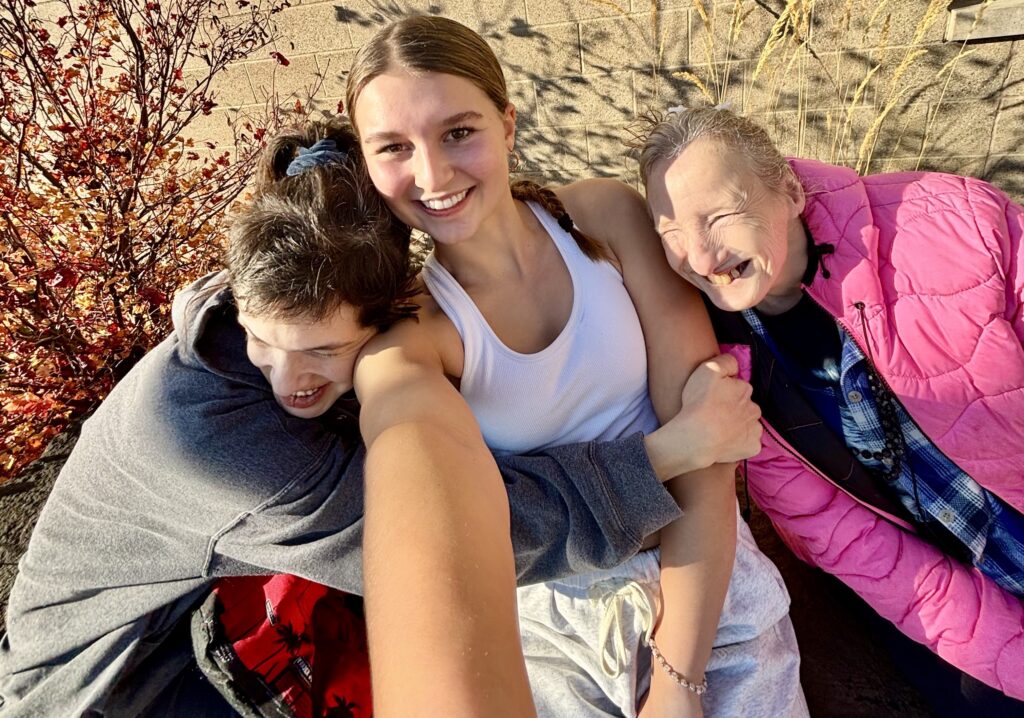
One evening, driving home with my sister, the sky already dark, I saw him again—this time sitting alone in an empty parking lot. Something in me snapped into clarity. Without giving myself time to overthink it, I said, “We’re going to go talk to that man.”
My sister looked at me like I had lost my mind, like we were about to get ourselves killed. But we went anyway.
I called a friend to meet us, as if extra people might make the fear smaller. When we stepped out of the car, my heart was pounding. The man’s back was turned toward us. Every instinct screamed that I should get back in the car and drive away. Instead, I took a breath and spoke.
“Excuse me… hi. My name is Addy. What’s yours?”
And that was how a friendship began.
And that was how a friendship began.
At first, he was hesitant. His walls were high and carefully built, and he refused to tell me his real name or anything about the life he had lived before that roadside grass. He rode a scooter everywhere, so he called himself Scooter. Conversation came in fragments, guarded and cautious, like he was bracing himself for disappointment. But after that day, I stopped every time I saw him. At Target. In the field. By the bus stop. In empty parking lots that felt forgotten by the rest of the world. Wherever he was, if I had even a moment, I pulled over. Slowly, the truth of who he was began to unfold. He was broken—deeply so. Alone in a way that felt heavier than solitude. Carrying hurt that had clearly been sitting with him for years.
And yet, he was brilliant.
He understood science and the way the world works better than anyone I had ever met. He spoke with clarity and wonder, with logic and precision. But despite all of that, he did not like God. Because of this, we talked for hours. About creation. About design. About how science doesn’t eliminate a Creator but quietly points toward one. Over time, his resistance softened. He began to agree.
One day, almost casually, he told me something that took my breath away. He hadn’t talked to anyone in ten years: I was the first one.
I’m telling you this story because before Scooter, I had forgotten my purpose, and the purpose of every single person who breathes air: the purpose of sharing the Gospel.
People often ask me, “How do you talk to them? How do you approach them?”
My answer is simple.
We all have unique opportunities and different ways of doing it, but universally, this is our calling. Think about how you learned the Gospel – someone preached it to you. Maybe it was your mom or dad in a Christian household. Maybe it was a pastor, a friend, or even a random stranger on the side of the road. No matter who it was, someone was brave enough to tell you.
And yet, we are often afraid to do the same.
Afraid of what people will think of us. Afraid because someone looks dangerous or strange. Afraid because we don’t know what to say. But if we don’t speak, then who will?
This is how the Lord softened my heart toward the homeless community and gave me the opportunity to build rich, meaningful friendships—with the homeless who sit outside my gym, with the people we pass by because they look too scary, with those who can’t finish full sentences because of drugs, or who seem too dirty to hug. They are just like you, and just like me.
You do what Jesus would do. And that is the call of every single one of us.
People often ask me, “How do you talk to them? How do you approach them?”
My answer is simple: the same way you would approach any human being. The same way you would approach a friend, a child of God. You laugh with them. You listen to them. You hug them. You become their friend.
About the Author

Adelaide Stelly is eighteen years old and the daughter of Josh and Melissa Stelly, lead pastors of Turning Point Church. She is currently attending Grand Canyon University pursuing a degree in Behavioral Health Sciences, with a focus on neuroscience and minor in spiritual formation. She loves anything outdoors, from camping and hiking to traveling and all kinds of adventure. Adelaide is passionate about prayer, preaching the Gospel, and her relationship with Jesus.


We all have reasons to do what we do. A saying that has given me purpose in ministry is, “Don’t just live to make it into heaven yourself; make sure to bring others with you.” I’m beginning to realize there’s even more to this statement than I had originally thought. Bringing people to heaven isn’t just about converting someone to Christianity. While the end goal is heaven, deep discipleship and development along the way are too often overlooked. What if, while we focused on our own personal faith, we also encouraged and empowered the next generation regardless of where they are in life? What would that look like and what impact could it have?
When I was in high school, I had a youth pastor who, over time, really changed my life. When we met, I was a 16-year-old who hadn’t grown up in church. Something my pastor and his wife taught me through their actions was the concept of leading humbly from the bottom, or “leading up.” Leading up is the selfless act of supporting those above you through your influence and assistance with decision-making. This comes through mutual trust and true honor of the leadership you’re under. Leading up is also humbly accepting the confidence of Christ to be used in any way necessary to further the kingdom of God through the organization and leadership to whom you are submitted.
While the end goal is heaven, deep discipleship and development along the way are too often overlooked.
While in high school, I was encouraged to show up early to my youth group every week to simply help set up. Serving automatically takes your faith to the next level, but my youth pastor took it even further and started handing me small responsibilities to own while setting up: making sure the tables were up and in the right place, double checking to see if we had enough pens, getting check-in ready, and organizing the chairs that were messy from the week prior. When we think of leadership, we often think of the person up front or in charge. However, what happened in my life was that I started learning the importance of leading from the background or from the bottom – leading up.
What started as small bits of serving and minimal responsibilities continued to grow. I began uploading sermon slides and eventually joined the worship team. Over time, building trust also grew my influence. I was leading up without even knowing it, though usually not from the stage and still from a place of humility. This wasn’t just a life change; it was really my heart that shifted.
I started learning the importance of leading from the background or from the bottom – leading up.
I truly believe had I not been trusted with those small responsibilities from a young age, I wouldn’t be trusted with the level of leadership and responsibility I have now. As Luke 16:10 says, “Whoever can be trusted with very little, can also be trusted with much” (NIV).
What happens when you raise up leadership from a young age? Imagine if we had youth groups all over the world that encouraged students to preach. Imagine if on a Sunday morning a 13-year-old came up to you and felt led to give you a word from God. The world of Christianity would look completely different. If we wait until students are out of high school, we not only completely miss an opportunity to have middle and high schools changed for Jesus, but we also create a culture that delays God’s moving. But if we raise up leaders in small ways and teach a culture of leading up while in middle and high school, then when students graduate, they will already be equipped and ready to step out in ways that wouldn’t have been possible without the years of teaching, encouraging, and guiding. Leading doesn’t start from the top down; it starts from the inside out.
When young leaders are learning, failure is inevitable. However, making mistakes under guidance while you’re young is actually much less detrimental than when you are leading from the top when you’re older. Again, if we don’t start with small things, we can’t expect to reach the big things.
We have a generation of young people wanting and waiting to step up and step out. What is God calling you to do about it?
If you are a young person reading this, in what ways can you lead up with small responsibilities in your current context? How can you positively impact the leadership or ministry you’re under by building mutual trust and owning responsibilities to the best of your ability? And lastly, who is someone you can look to for teaching and guidance in order to learn how you can best lead up?
If you are someone who may already be the leader at the top, what are small responsibilities in your ministry or organization you can use to steward someone’s ability to lead? What time can you make in your week to equip individuals to both reach and exceed your level? This is true leadership.
We have a generation of young people wanting and waiting to step up and step out. What is God calling you to do about it?
About the Author

Kayla Johnson serves as the secretary at First Open Bible Church in Cedar Rapids, Iowa. She is currently in nursing school and works at the local emergency department in Cedar Rapids. She has a huge passion for the next generation of young Christians and loves being part of the youth group, as well as leading the young adult ministry at her church.

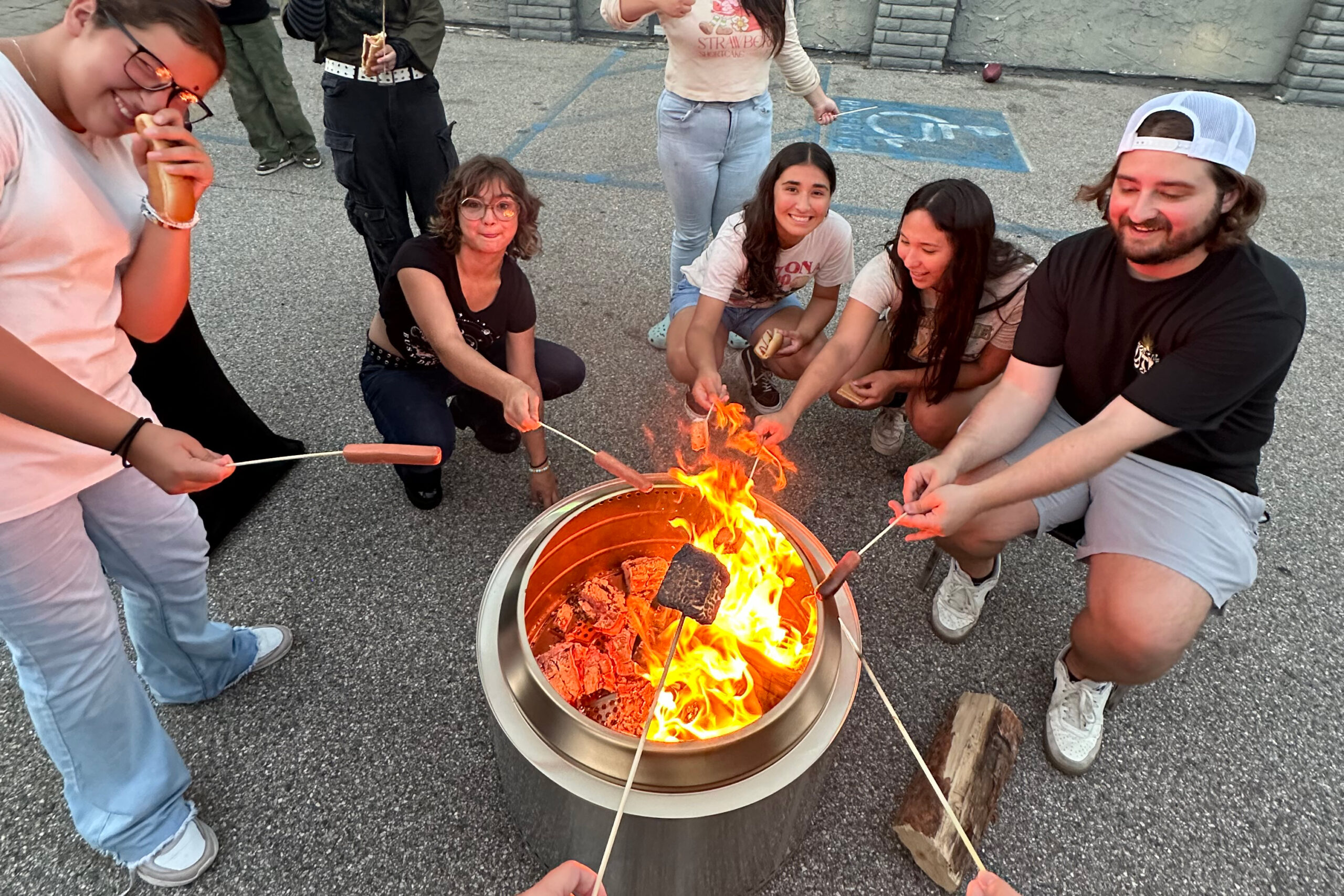
In the summer of 2022, my wife Cheyenne and I moved to Los Angeles, California, where we would be youth pastors at Summit Christian Church. When we arrived, we were greeted by palm trees, sunshine, and tough soil to till. Many of the negative things we had heard about southern California were exaggerated, but there was some truth when it came to people and their attitudes toward Jesus. I quickly realized the church would not be the primary place where I would reach students, so I began to think outside of the box.

When it comes to reaching students, the best place to go is where they already are, so my first thought was the local public middle school. I reached out to my aunt who is a local sixth grade teacher, and she told me we could start a school club during lunch. I was shocked. I asked her if they knew I was a pastor and that I would be sharing about Jesus, and she assured me it was fine. You see, in California they allow every type of school club, and they cannot discriminate, even if it’s a Christian club. So, with prayer and a few weeks to prepare before the start of school, RISE Club was born.
The first week of school there was a “club rush” when all the clubs had tables with information for students. I was told just before the rush that our club needed to have at least four students at our first meeting or the club would be canceled. I knew that if I could attract students to my table, there might be a chance I could get them to come to the club. Not knowing what to expect, I bought cheap toys from Amazon, chips, drinks, and stickers that students could win on a prize wheel. I had hundreds of students come to the table, we handed out over 200 flyers, and at the first meeting of RISE Club…no one showed up. I went out into the hallway and grabbed four students who recognized me as the “wheel guy” and invited them into the room. All four of those students got saved that day and became the core team that helped us start RISE Club.
At our second meeting, we dreamed aloud that RISE could be a place where students could build faith, have fun, and help their school. This model has worked very well, and RISE has become the source of most of the students in our church’s Wednesday night youth program. Each week at the club, we open by having a wheel of prizes for kids to receive; the catch is, the only way to spin is to bring a friend or to be a new member of the club. After this, we play a short game where the winner gets to (you guessed it) spin the wheel. To end each club meeting, we give a gospel presentation with a salvation invitation and a call to action.
Since the club’s founding in September of 2022, we have handed out 122 Bibles, had over 150 first-time decisions to make Jesus Christ Lord and Savior of their lives, and have been able to partner with the school to do service projects.
Since the club’s founding in September of 2022, we have handed out 122 Bibles, had over 150 first-time decisions to make Jesus Christ Lord and Savior of their lives, and have been able to partner with the school to do service projects. Our most recent project was a canned food drive for the Southern California fire victims.
This public school outreach, although extremely intimidating to start, has now become the highlight of my week. Seeing students far from God coming to know Christ has been worth everything. One of my favorite stories is about Ninette Vanhorn, a student Cheyenne and I met in the hallway and for whom God told us to be praying. Little did we know the reason she needed prayer. Rather than telling you her story myself, I encourage you to listen and absorb this impact statement from Ninette:

It mostly started when I was walking to class and saw Michael and Cheyenne. They invited me to the club, so the next week I decided to go. They were very welcoming. We started with a game then afterward we all sat down and started talking about Jesus. That is mostly where the club impacted me because I realized that I needed Jesus in my life. I was going through a hard time; I was suicidal and was close to just ending my life, so when I heard Michael’s words, I told myself in my head, “I need to come here more often…like, it’s gonna be better for me.” I started going again and again, and it really did get better; I began getting over suicidal thoughts faster, I was having so much fun, and I really liked it when we started reading out of the Bible. I made a lot more friends, and overall it’s a really good club. I know it can have a good impact on other people who don’t know Jesus. It can change their life just like it did mine.
Ninette has found freedom in Jesus and is now serving on our youth group’s worship team and in the children’s ministry and is inviting her family to our Sunday morning services. Even in Los Angeles, school outreach is possible and thriving. With prayer, God’s blessing, and a few willing students, schools can still be reached. If you are in Next Gen ministry and you have a heart to reach students, find a student or a teacher who believes in Jesus and take a risk on school outreach. It will not only be a blessing to the school, teachers, and students, but it will bless your soul, as well.
About the Author
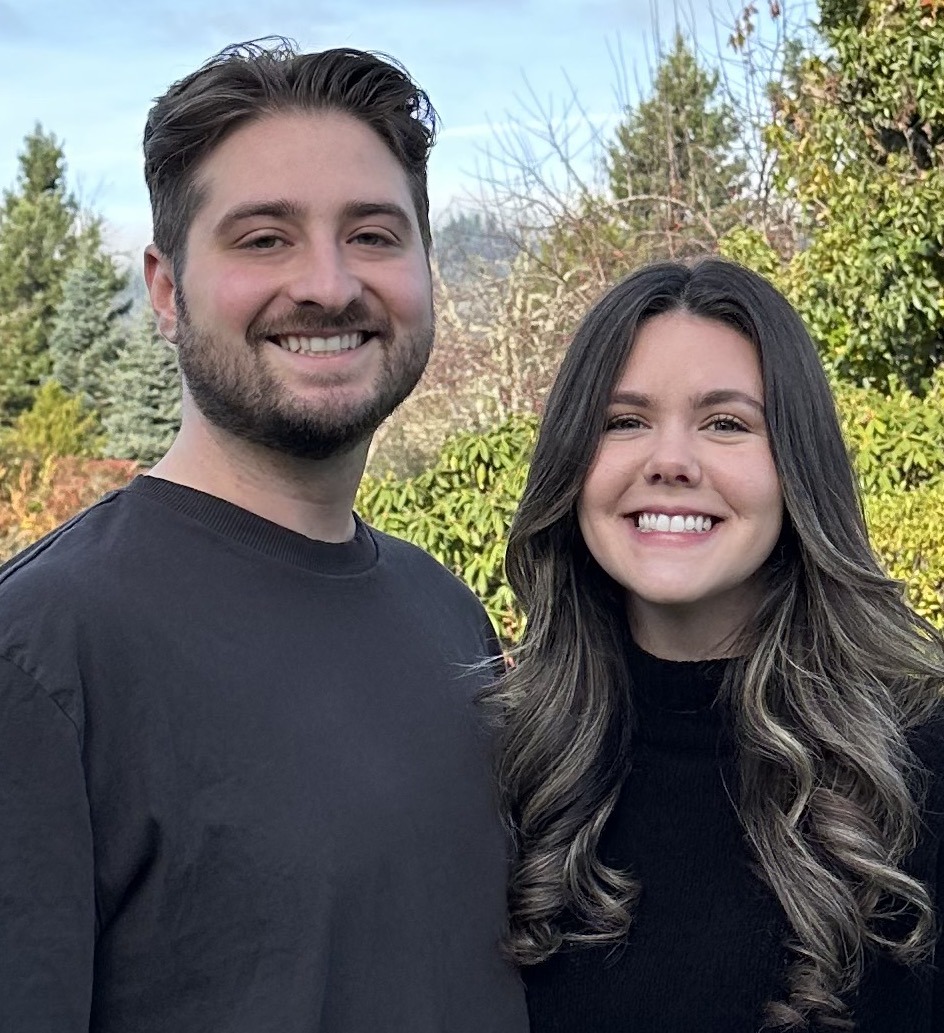
Michael Zakarian
Michael Zakarian has been part of Open Bible Churches for his whole life, with a calling to be a pastor since the age of five. He graduated from New Hope Christian College in 2017 and met his wife, Cheyenne, during his first ministry assignment in Martinez, California. The two of them continued doing youth ministry together, first in Springfield, Oregon, at Waypoint Community Church, and currently in Tujunga, California, at Summit Christian Church. Michael currently serves as the Next Gen Lead for the Pacific Region of Open Bible.